
Trees
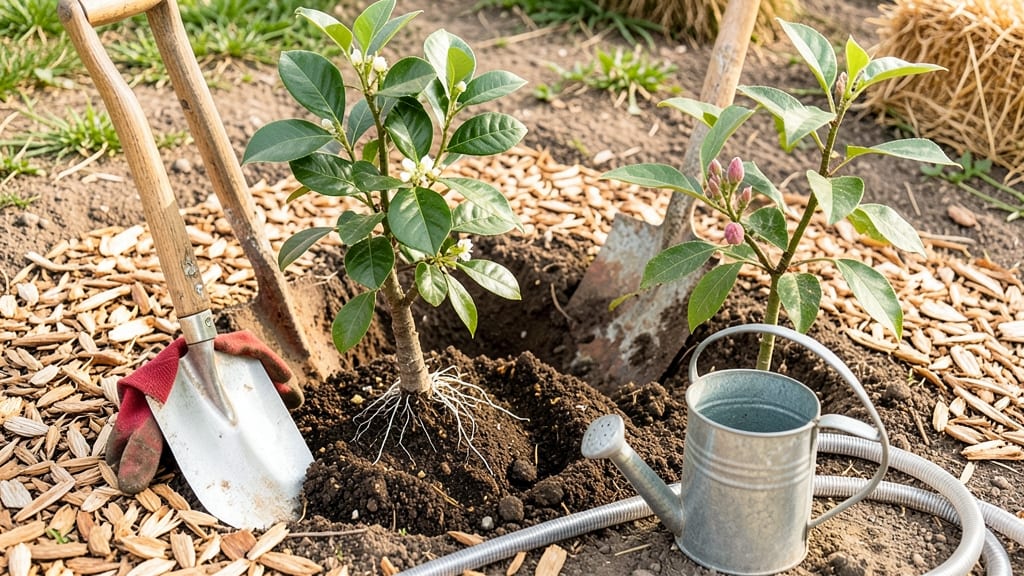
Planting fruit trees in California might seem straightforward, but timing is everything—get it wrong, and your 🍎 could struggle to take root or thrive. The state’s diverse climate zones mean what works in frost-prone Northern California (Zone 8) fails in frost-free Southern California (Zones 10-11).
Most fruit trees—like peaches, plums, and citrus—thrive when planted during their dormant season, typically in winter (November–February) for cooler regions. But in mild zones (9-11), you can plant year-round, with spring and fall offering ideal conditions for root establishment.
Why does this matter? Planting at the wrong time stresses young trees, delays fruit production, and even risks frost damage. I’ll break down the best months for your specific region, soil prep tips, and how to avoid common mistakes—so you can enjoy a bountiful harvest for years.
Whether you’re a first-time gardener or a seasoned grower, these insights will help you choose the perfect window for planting fruit trees that suit your microclimate. Let’s get started!
Best planting months for fruit trees in California by climate Zone
California’s diverse climate means the best time to plant fruit trees varies dramatically from Northern to Southern regions. In cooler Northern zones (USDA 8-9), like Sacramento or San Francisco, winter dormancy makes January through March ideal for planting bare-root trees like peaches or plums.
Meanwhile, Southern California’s frost-free zones (10-11), such as Los Angeles or San Diego, allow year-round planting—but fall (September-November) is still optimal for root establishment before summer heat arrives.
Deciduous trees, like apricots or cherries, thrive when planted during their dormant season to avoid transplant shock. Evergreens, such as citrus or avocados, adapt better to mild winters and can be planted almost anytime, though early spring (March-May) minimizes stress in coastal areas.
Microclimates—like inland valleys versus coastal regions—further refine these windows, so always check your local frost dates.
🌱
🌿 California Fruit Tree Planting Guide by Zone
| Zone & Region | Best Planting Window | Key Considerations | Avoid Planting When |
|---|---|---|---|
| Northern CA (USDA 8-9) Sacramento, Redding, San Francisco |
January–March (bare-root) September–October (container-grown) |
Frost risk until March 15; prioritize dormant deciduous trees (peaches, plums). | April–June (heat stress), July–August (drought risk). |
| Central CA (USDA 9-10) Fresno, Bakersfield, Santa Barbara |
November–February (cooler months) September–October (mild zones) |
Transition zone; avocados and figs tolerate wider windows. Monitor Valley vs. Coast temps. | June–August (extreme heat), December–January (frost pockets). |
| Southern CA (USDA 10-11) Los Angeles, San Diego, Riverside |
Year-round (best: September–May) | Citrus and olives thrive in mild winters; avoid summer planting due to heat shock. | June–August (peak heat), December–February (rare frost in inland areas). |
⚠️ Pro Tip: Coastal areas (e.g., Santa Cruz) can plant 2–3 months later than inland zones due to cooler microclimates.
For container-grown trees, flexibility increases—you can plant almost anytime, but spring (March-May) gives roots time to establish before summer’s intensity. In Southern California’s desert regions (e.g., Palm Springs), fall planting (September-October) is critical to avoid the 100°F+ summers that can scorch young roots.
Soil preparation is non-negotiable: Test your soil’s pH (most fruit trees prefer 6.0–7.0) and amend with compost or well-rotted manure 4–6 weeks before planting.
In clay-heavy soils (common in Central Valley), mix in sand or perlite to improve drainage—a must for avocado and citrus trees, which hate soggy roots.
🌿
If you’re planting stone fruits (peaches, nectarines), time it so the tree is dormant but not frozen. In Northern California, this means late winter (February) when frost risk has passed.
For pomegranates or persimmons, fall planting (October-November) aligns with their natural growth cycles and reduces transplant shock.
One common mistake? Planting citrus trees in frost-prone areas like the Sacramento Valley. Even hardy varieties like Meyer lemons can suffer damage if temperatures dip below 25°F. Instead, opt for microclimate-protected spots or container-growing for mobility during cold snaps.
🪴
Best planting months for fruit trees in California by climate Zone
California’s diverse climate means the best time to plant fruit trees varies dramatically from Northern to Southern regions. In cooler zones (8-9), like Sacramento or San Francisco, winter dormancy (November–February) is ideal for deciduous trees like peaches and plums.
Meanwhile, Southern California (Zones 10-11), including Los Angeles and San Diego, offers year-round planting—but spring and fall still win for root growth.
Evergreen trees like citrus and avocados thrive when planted in cooler months, avoiding summer heat stress. For example, lemon trees in Riverside should go in January–March, while fig trees in Santa Barbara adapt well to fall planting (September–October).
Microclimates matter too—coastal areas stay milder, while inland valleys face hotter summers and colder winters.
Here’s a quick guide to align your planting with California’s frost-free periods and optimal soil temps:
For bare-root trees, winter planting (November–February) gives roots time to establish before spring growth. Container-grown trees, however, can be planted year-round in mild zones (10-11), but avoid summer heatwaves. Always check your local frost dates—even Southern California’s inland areas can drop below freezing in winter.
Pro tip: Soil temperature matters more than air temp. Use a soil thermometer—ideal planting temps are 50–70°F. In Zone 8, wait until March for stone fruits to avoid late frosts. In Zone 11, plant citrus in fall to beat summer’s oppressive heat.
Regardless of region, amend your soil with compost and mulch heavily to retain moisture. Young trees need consistent watering, but avoid overwatering—root rot is a silent killer in California’s variable climates. With the right timing, your fruit trees will reward you with decades of harvests.