
Plants
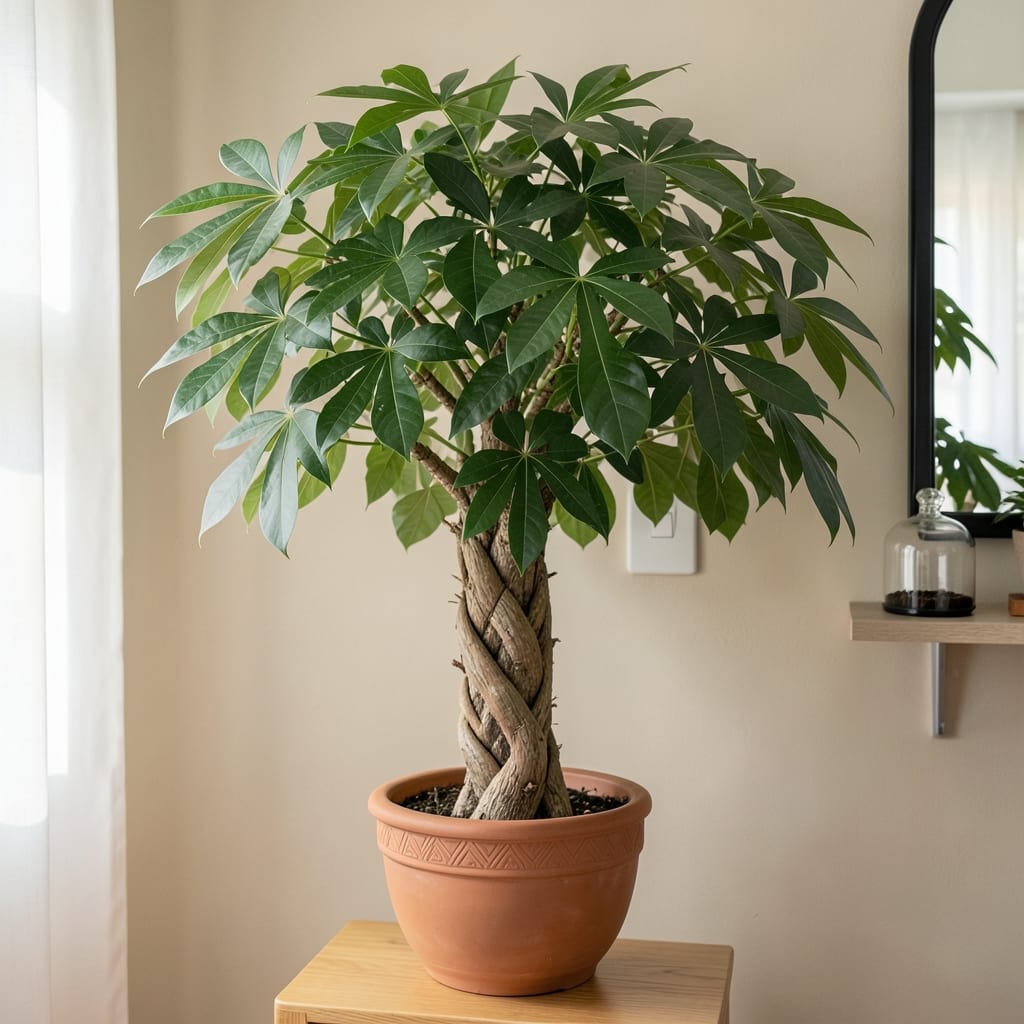
Curious about how tall your Money Tree 🌿 could grow with the right care? The answer might surprise you—some varieties reach a stunning 10 feet indoors or outdoors when given ideal conditions! Whether you're dreaming of a towering houseplant or a thriving outdoor shrub, understanding growth factors like light, pruning, and container size is key to unlocking its full potential.
This tropical favorite isn't just a symbol of luck—it's a dynamic plant that responds beautifully to strategic care. I'll break down the fastest-growing varieties, how to encourage height without sacrificing health, and when to prune for that perfect balance between sky-high growth and bushy fullness. Ready to turn your Money Tree into a vertical statement piece?
Many gardeners assume Money Trees stay small, but with the right approach, you can push them toward their maximum height. We'll cover everything from soil nutrition to seasonal adjustments, so you can watch your plant grow 3 feet in just one year under optimal conditions. Let's dive into the secrets behind these fast-growing giants!
Whether you're working with a 6a zone climate or indoor conditions, the principles remain the same. By the end, you'll know exactly how to nurture your Money Tree for that impressive height—without the guesswork. Let's get growing!


Money Tree height guide: fastest-growing varieties and their maximum heights
Your Money Tree (Pachira aquatica) isn't just a decorative plant—it's a tropical powerhouse capable of reaching 10 feet tall with the right care. The key lies in understanding its natural growth patterns and how environmental factors like light, soil, and humidity interact to influence height. Whether you're growing it indoors as a statement piece or outdoors in warmer climates, knowing these factors will help you unlock its full potential.
Most Money Trees start small—typically 1-2 feet in their first year—but with optimal conditions, they can grow 3 feet annually after that. The fastest-growing varieties often reach 6-10 feet in just 3-5 years, making them one of the quickest-growing tropical houseplants. Let’s explore the varieties that push these limits and what makes them thrive.
🌱
| Variety | Max Height (Indoors) | Max Height (Outdoors) | Growth Rate (Annual) | Key Growth Factors |
|---|---|---|---|---|
| Standard Pachira aquatica | 6-10 ft | 10-15 ft | 3-4 ft/year | Bright indirect light, high humidity, rich soil |
| Dwarf varieties (e.g., 'Money Tree Braided') | 3-5 ft | 5-7 ft | 1-2 ft/year | Pruning required, smaller pots, less light |
| Hybrid varieties (e.g., 'Rain Tree') | 8-12 ft | 12-18 ft | 4-5 ft/year | High humidity, frequent feeding, large containers |
| Bonsai-style Money Trees | 1-3 ft | N/A | 0.5-1 ft/year | Heavy pruning, small pots, controlled light |
Standard Pachira aquatica varieties are the fastest growers, capable of reaching 10 feet indoors and even taller outdoors in ideal conditions like USDA Zone 6a or warmer. These plants thrive in bright, indirect light—think east-facing windows or a few feet from a south-facing window. Without enough light, their growth slows dramatically, often resulting in leggy stems and sparse foliage.
Outdoor Money Trees can grow even taller, especially in tropical or subtropical climates where they receive 4-6 hours of filtered sunlight daily. In these conditions, they often reach 10-15 feet within 5 years. The key difference outdoors is their ability to access more nutrients from the soil and benefit from natural humidity levels, which accelerate growth compared to indoor environments.
Dwarf varieties, like the popular braided Money Tree, are bred to stay smaller—typically 3-5 feet tall—but they still grow at a steady pace of 1-2 feet per year. These are perfect for indoor spaces where height is a concern, but they require regular pruning to maintain their compact shape. If left unpruned, even dwarf varieties can surpass their expected height, sometimes reaching 6 feet or more.
Hybrid varieties, such as the 'Rain Tree', are the heavyweights of the Money Tree family. These crosses often grow 4-5 feet annually and can hit 12 feet indoors with aggressive care. To encourage this rapid growth, provide high humidity (50%+), use a well-draining potting mix with added compost, and fertilize every 6-8 weeks during the growing season. These hybrids also benefit from larger containers, as root-bound plants grow slower.
🌿
One common misconception is that Money Trees grow slowly, but the truth is they’re fast growers when given the right conditions. The limiting factor is usually light exposure—indoor plants often struggle without supplemental grow lights, especially in winter when natural light is scarce. If you notice your Money Tree growing less than 1 foot per year, it’s likely a sign of insufficient light or poor soil nutrition.
Soil quality plays a crucial role in height potential. Money Trees thrive in well-draining, slightly acidic soil (pH 6.0-7.0). Amend your potting mix with perlite or orchid bark to improve aeration, and add a slow-release fertilizer in spring to kickstart vertical growth. Over time, you’ll see a noticeable difference in both height and foliage density.
💧
Pruning techniques to control Money Tree height and encourage bushier growth
Pruning isn’t just about keeping your Money Tree at a manageable height—it’s a powerful tool to encourage bushier, fuller growth while maintaining its structural integrity. When done correctly, pruning can transform a leggy, sparse plant into a lush, multi-stemmed beauty. The key is timing, technique, and knowing which stems to prioritize. Let’s explore how to prune for height control and maximum fullness without stunting your plant’s growth potential.
Most gardeners make the mistake of pruning at the wrong time or cutting too aggressively. For Money Trees, the best time to prune is in early spring (March-April) when the plant is entering its active growth phase. This timing allows new shoots to emerge quickly, filling out the canopy. Avoid heavy pruning in fall or winter, as the plant needs all its energy to survive dormancy. Instead, do light maintenance trims to remove dead or damaged leaves year-round.
🌱
Pruning for Height Control
- Trim top growth in spring to encourage lateral branches
- Use clean, sharp shears to avoid tearing stems
- Cut just above a leaf node for best regrowth
- Remove only 1/3 of growth per pruning session
- Prune in fall/winter when growth slows
- Cut too close to the base (risk of rot)
- Use dull tools that crush stems
- Remove all top growth at once (shocks plant)
Pruning for Bushier Growth
- Pinch new shoots to encourage branching
- Rotate plant quarter-turn weekly for even growth
- Fertilize after pruning to support regrowth
- Use growth regulators for compact varieties
- Avoid over-pruning (can stress plant)
- Don't cut healthy stems just for shape
- Watch for yellowing leaves after pruning (sign of shock)
To control height while encouraging bushiness, focus on selective pruning. Start by removing the top 2-3 inches of the main stem in early spring. This signals the plant to produce multiple side branches from the leaf nodes below. For even fuller growth, pinch off the newest growth tips on these side branches throughout the summer. This technique, called tip pruning, stimulates lateral bud growth, creating a denser, more compact plant.
If your Money Tree has become too tall, you can prune the main stem down to a lower node, but be prepared for a temporary setback as the plant redirects energy to new growth. Always use sterilized pruning shears to prevent disease, and never cut more than one-third of the plant's height in a single session. For varieties like the braided Money Tree, this approach helps maintain their distinctive shape while controlling height.
🪴
One common misconception is that pruning will stunt a Money Tree’s growth permanently. In reality, proper pruning actually stimulates faster, bushier growth by encouraging the plant to produce multiple stems. The secret lies in the plant’s natural response to being "trimmed back"—it perceives the cuts as signals to produce more branches to compensate. This is why Money Trees pruned in spring often show 30-50% more foliage density by summer compared to unpruned plants.
For outdoor Money Trees in USDA Zone 6a or warmer, pruning becomes even more critical. These plants can grow aggressively when unchecked, sometimes reaching 15 feet or more in just a few years. Regular pruning not only controls height but also improves air circulation, reducing the risk of fungal diseases that thrive in dense foliage. In late winter, give your outdoor Money Tree a light haircut to remove any dead wood and shape the canopy before the growing season begins.
💡