
Light Requirements
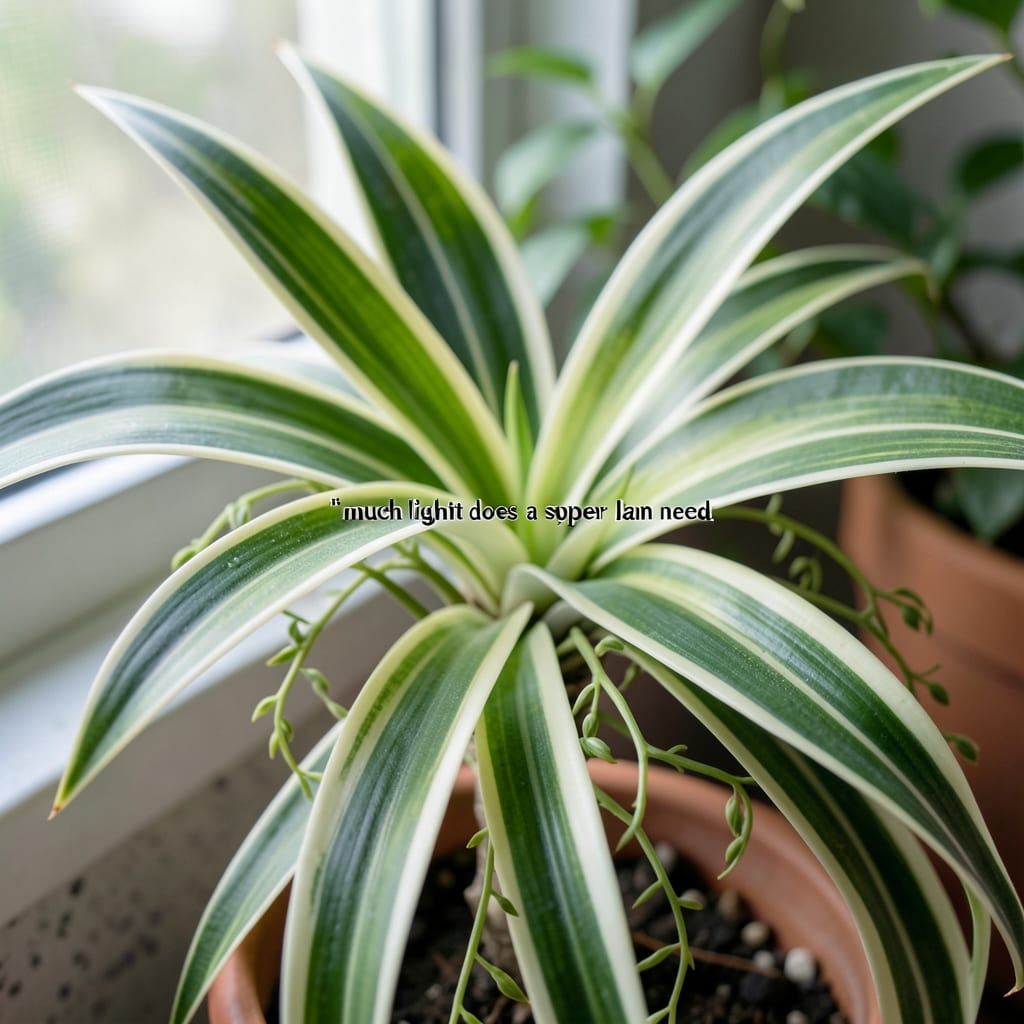
How much light does a spider plant need? The answer might surprise you—it’s not as much as you’d think, but getting it right is the key to keeping your 🕷️ thriving. Too little light, and your plant stretches out like a sleepy cat; too much, and those beautiful stripes turn crispy at the edges. The sweet spot? Just 3-4 hours of bright, indirect sunlight daily, which most people either overcomplicate or ignore entirely.
Here’s the thing: spider plants are masters of adaptability, but they’re also finicky about their light conditions. If your plant starts looking pale or leggy, it’s probably begging for more brightness—but not the harsh, direct kind that can fry its leaves. The good news? You don’t need a sunroom or a greenhouse to make this work. With a few simple tweaks, you can turn even the dimmest corner of your home into the perfect spot for your spider plant to flourish.
I’ve seen firsthand how a little adjustment—like moving a plant closer to an east-facing window or adding a sheer curtain to soften harsh afternoon rays—can transform a struggling spider plant into a lush, vibrant centerpiece. The best part? These changes take 5 minutes or less, and the results speak for themselves in just a few weeks.
Ready to give your spider plant the light it craves? Let’s dive into exactly how to strike that perfect balance—no guesswork, just happy, healthy growth. You’ll be amazed at how much a little light (and the right kind) can do.


Ideal light requirements for spider plants: bright indirect sun vs. direct sunlight
Spider plants (Chlorophytum comosum) thrive best with bright, indirect sunlight—a balance that mimics their natural understory habitat in South Africa. Too little light leads to leggy, weak growth, while too much causes brown, crispy leaf tips. The ideal range is 3-4 hours of filtered light daily, but they’re surprisingly adaptable. Understanding how light affects their growth helps you avoid common mistakes that turn vibrant green plants into sad, struggling shadows.
Most gardeners assume "bright light" means direct sun, but spider plants despise harsh rays. Direct sunlight—especially from south- or west-facing windows—can scorch leaves within hours. Instead, aim for east-facing windows or 2-3 feet back from a north-facing window. Fluorescent grow lights (12-16 hours/day) work well for indoor setups without natural light. The key is consistency: spider plants adapt poorly to sudden light changes, so gradual adjustments are best.
Here’s how light intensity affects your spider plant’s health, from low-light struggles to optimal conditions and overlighting dangers. Use this guide to diagnose your plant’s needs and adjust its environment for lush, striped foliage.
Notice how medium light produces the iconic striped leaves spider plants are loved for? Those white or yellow stripes are a sign of balanced light exposure. In low light, chlorophyll production drops, leading to solid green leaves and stretched stems as the plant reaches for light. Conversely, high light triggers oxidative stress, causing brown, papery tips—a classic sign of sunburn. Even a few hours of direct afternoon sun can damage leaves permanently.
Pro tip: Rotate your spider plant every 2–3 weeks to ensure even light exposure. Plants grow toward light sources, so one side can become lopsided if left stationary. This simple habit promotes symmetrical growth and prevents weak, spindly stems. Pair this with sheer curtains on south-facing windows to diffuse harsh rays while still allowing bright, indirect light to filter through.
Seasonal changes also affect light needs. Winter’s shorter days mean your spider plant may need supplemental grow lights (12–14 hours/day) to maintain health. Conversely, summer’s intense sunlight demands afternoon shade—even east-facing windows can become too bright during peak hours. Observe your plant’s leaves: if the variegation fades or new growth looks dull, it’s time to adjust the light.
One common myth is that spider plants can thrive in "any light." While they’re more forgiving than fussy plants like ferns, neglecting light leads to irreversible damage. For example, a spider plant in low light may survive but will rarely produce spiderettes (those cute baby plants!). If you’re dreaming of propagating your collection, medium light is non-negotiable for robust growth and reproduction.
🌱
Ideal light requirements for spider plants: bright indirect sun vs. direct sunlight
Spider plants (Chlorophytum comosum) thrive best in bright, indirect sunlight, but their exact needs often confuse new plant parents. Unlike sun-loving succulents, spider plants despise harsh rays—even just 1-2 hours of direct sun can scorch their delicate leaves. The key is mimicking their natural understory habitat, where dappled light filters through taller trees. Most gardeners overestimate their plant’s tolerance, leading to yellowing leaves or brown tips—both clear signs of light stress.
Think of your spider plant’s ideal spot as a morning coffee nook: bright enough to fuel growth but shielded from the intense afternoon sun. East-facing windows are perfect, offering gentle light for 4-6 hours daily, while north-facing windows provide softer, all-day illumination. South or west windows? Only if you use a sheer curtain to diffuse the intensity. Remember, spider plants are adaptable, but pushing their limits will always show up in their foliage.
🌿One common misconception is that "bright light" means direct sunlight. In reality, bright indirect light is the gold standard for spider plants—think of it as sunlight that’s been filtered through a canopy. If your plant’s leaves develop white or yellow patches, it’s often a sign of too much direct sun, while uniform pale green indicates insufficient light. The goal is to strike that balance where leaves stay vibrant green with crisp white stripes, a hallmark of a happy spider plant.
Seasonal changes also affect light needs. During winter months, when sunlight is weaker, your spider plant may need to be moved closer to a window (but never in direct sun). Conversely, in summer, even east-facing windows can become too intense by midday—use vertical blinds or white curtains to diffuse the light without blocking it entirely. Rotating your plant quarter-turns every 2 weeks ensures even growth and prevents it from leaning toward the light source.
Pro tip: If you notice your spider plant’s leaves losing their white stripes, it’s a cry for more light. These stripes aren’t just decorative—they’re a sign of chlorophyll variation, which thrives in moderate light conditions. Conversely, if the stripes fade completely, your plant is likely getting too much shade. The solution? Gradually introduce more light over 1-2 weeks to avoid shocking the plant’s system.
For those in low-light apartments, don’t despair—spider plants are one of the most forgiving houseplants. While they’ll grow in artificial light (like a grow bulb), their stripes may fade, and growth will slow. If you must use artificial lighting, opt for a full-spectrum LED grow light placed 6-12 inches above the plant for 12-14 hours daily. Even then, supplementing with natural light on weekends can make a noticeable difference in your plant’s vitality.