
Trees
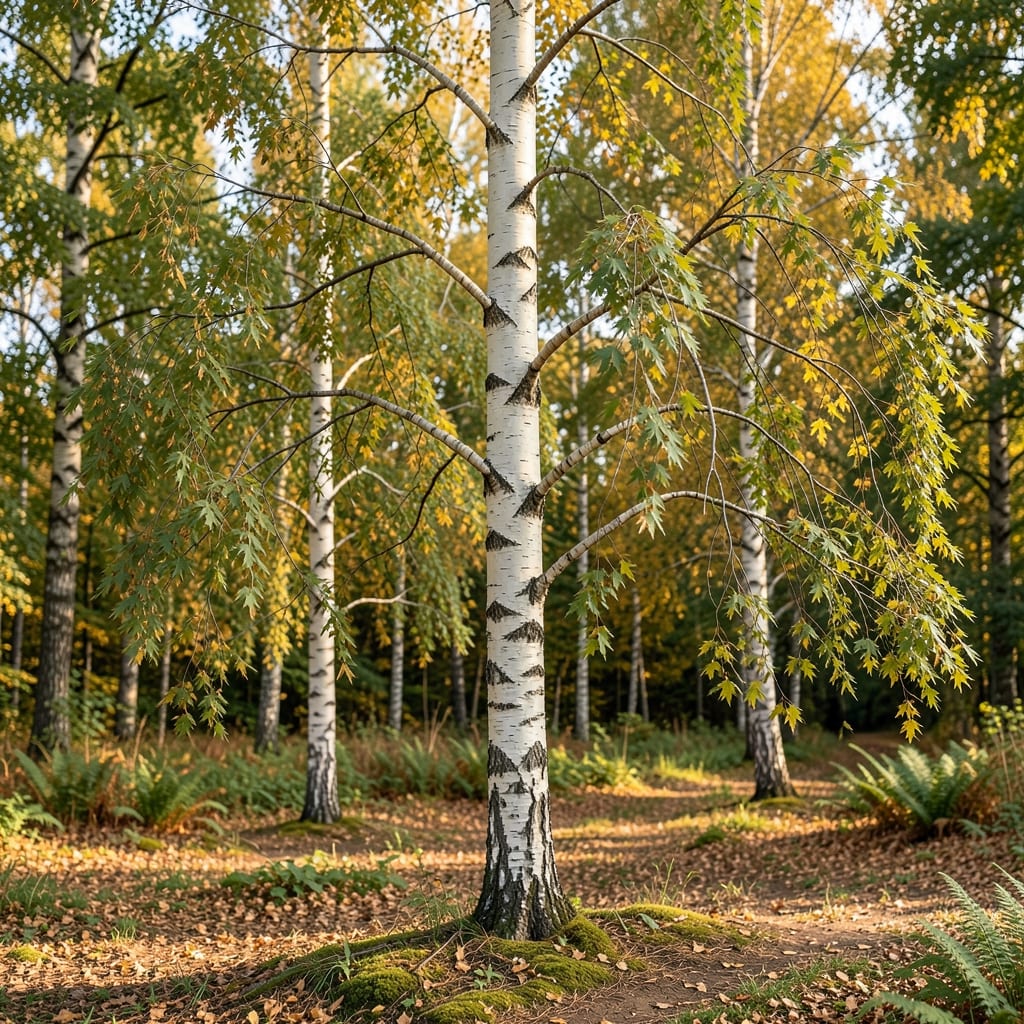
Curious about how tall can birch trees grow before they become a towering presence in your landscape? The answer might surprise you—some varieties stretch over 70 feet tall, while others stay compact enough for small yards. Whether you're envisioning a delicate paper birch 🌳 or a sturdy river birch, understanding these differences is key to picking the right tree for your space.
Birch trees aren’t one-size-fits-all; their height depends on the species, growing conditions, and even your local climate. In USDA Zone 6a, where early springs and mild winters create ideal conditions, these trees can thrive—and reach their full potential. But did you know that some dwarf varieties barely top 15 feet, making them perfect for urban gardens?
If you're dreaming of a backyard canopy or just want to add height to your landscape, this guide will help you navigate the options. We’ll break down the most common birch species, their growth habits, and the factors that influence how tall they’ll grow. Ready to find the perfect fit for your outdoor space?
From choosing the right variety to maximizing growth potential, you’ll discover everything you need to know. Let’s dive into the world of birch trees and uncover the secrets to their impressive heights.


Birch tree height by species: from dwarf to giant varieties
When planning your landscape, knowing how tall birch trees grow is essential—especially since some varieties can reach 70+ feet while others stay under 20 feet. The paper birch 🌳, for example, often tops out at 50–75 feet in ideal conditions, while the dwarf birch remains a manageable 15–25 feet. Let’s explore the most popular species and their mature heights to help you choose the perfect fit for your space.
Birch trees belong to the Betula genus, with over 60 species worldwide. In North America, the most common varieties include the yellow birch, river birch, and white birch, each with distinct growth habits. Some, like the river birch, thrive in wet soils and can grow 40–70 feet tall, while others, such as the gray birch, stay shorter at 20–30 feet.
Here’s a quick look at the height ranges you can expect from popular birch species, along with their ideal growing conditions to maximize growth potential:
| Species | Mature Height (ft) | Growth Rate | Ideal Conditions |
|---|---|---|---|
| Paper Birch | 50–75 ft | Moderate (1–2 ft/year) | Full sun, well-drained soil |
| River Birch | 40–70 ft | Fast (2–3 ft/year) | Wet soils, partial shade |
| Yellow Birch | 60–90 ft | Slow (1 ft/year) | Moist, acidic soil |
| White Birch | 40–60 ft | Moderate (1.5 ft/year) | Sun to partial shade |
| Dwarf Birch | 15–25 ft | Slow (6–12 in/year) | Full sun, well-drained soil |
| Gray Birch | 20–30 ft | Moderate (1 ft/year) | Dry, rocky soils |
The yellow birch is one of the tallest native species, often exceeding 60 feet in mature forests. However, in urban settings with limited space, the dwarf birch is a fantastic alternative, offering ornamental foliage without the height. If you’re aiming for a statement tree, the paper birch or river birch will deliver dramatic results.
One factor that often surprises gardeners is how soil type affects height. For instance, river birch thrives in wet or boggy soils, where it can grow 10–15 feet taller than in dry conditions. Similarly, yellow birch prefers acidic, moist soil to reach its full potential. If your soil is clay-heavy or alkaline, consider amending it with organic matter or choosing a more adaptable species like the white birch.
Climate also plays a role in height. In USDA Zone 6a, where winters are cold but not extreme, birch trees grow faster and taller than in warmer zones. For example, a paper birch in Zone 6a might reach 70 feet, while the same tree in Zone 8 could max out at 50 feet due to slower growth rates.
If you’re considering a multi-stemmed birch for a unique look, be aware that these varieties often grow 10–20% shorter than single-trunk species. Their clumping habit makes them ideal for small yards or container gardening, but they won’t provide the same towering presence as their taller counterparts.
For those with limited space, the dwarf birch varieties like 'Fastigiata' or 'Pendula' are excellent choices. These columnar or weeping forms stay under 20 feet while adding texture and elegance
How to estimate birch tree growth rate and final height
Predicting how tall your birch tree will grow depends on several factors, including the species, soil quality, sunlight exposure, and your local climate. While some varieties like the yellow birch can grow 1–2 feet per year under ideal conditions, others like the dwarf birch grow just 6–12 inches annually. Understanding these growth rates helps you set realistic expectations and plan your landscape accordingly.
One of the first steps is checking the species-specific growth rate. For example, the river birch grows 2–3 feet per year in wet soils, while the paper birch grows 1–2 feet per year in well-drained soil. If you’re planting a young sapling, multiplying its growth rate by its age gives a rough estimate of its current height. A 5-year-old river birch sapling, for example, could be around 10–15 feet tall.
- 🌱 Species Matters: Fast-growing varieties like river birch can reach 70 feet in 20–30 years, while slower growers like yellow birch may take 50+ years to mature.
- 💧 Soil Quality: Wet or acidic soils boost growth, while clay or alkaline soils can stunt height by 20–30%.
- ☀️ Sunlight Exposure: Full sun (6+ hours/day) maximizes growth, but partial shade can reduce height by 10–15 feet.
- 🌡️ Climate Zones: In USDA Zone 6a, birch trees grow 10–20% faster than in warmer zones like Zone 8.
- ✂️ Pruning Impact: Over-pruning can reduce height by up to 30%, while selective pruning encourages upward growth.
Your local climate plays a surprisingly large role in height. In USDA Zone 6a, where winters are cold but not extreme, birch trees grow faster and taller than in warmer zones. For example, a paper birch in Zone 6a might reach 70 feet, while the same tree in Zone 8 could max out at 50 feet due to slower growth rates. If you’re in a warmer zone, consider dwarf varieties or multi-stemmed birches to keep heights manageable.
Pruning is another critical factor. While selective pruning can encourage upward growth, over-pruning—especially in young trees—can stunt height by up to 30%. Focus on removing dead or crossing branches and avoid cutting back more than 20–25% of the canopy in a single session. For taller varieties, prune in late winter or early spring before new growth begins.
To estimate your birch tree’s final height, start with the species’ mature height range and adjust based on your growing conditions. For instance, if you plant a river birch in wet soil with full sun in Zone 6a, it could easily reach 60–70 feet. However, in dry, alkaline soil, expect it to top out around 40–50 feet. Always factor in your property’s height limits and nearby structures to avoid future issues.
For a quick height estimate, use this formula: (Species Mature Height × Growth Rate Factor) – Pruning Adjustment. For example, a paper birch with a 70-foot mature height, growing in Zone 6a with full sun, might reach 65–70 feet with minimal pruning. If you’re unsure, consult a local arborist for a more precise assessment.