
Trees
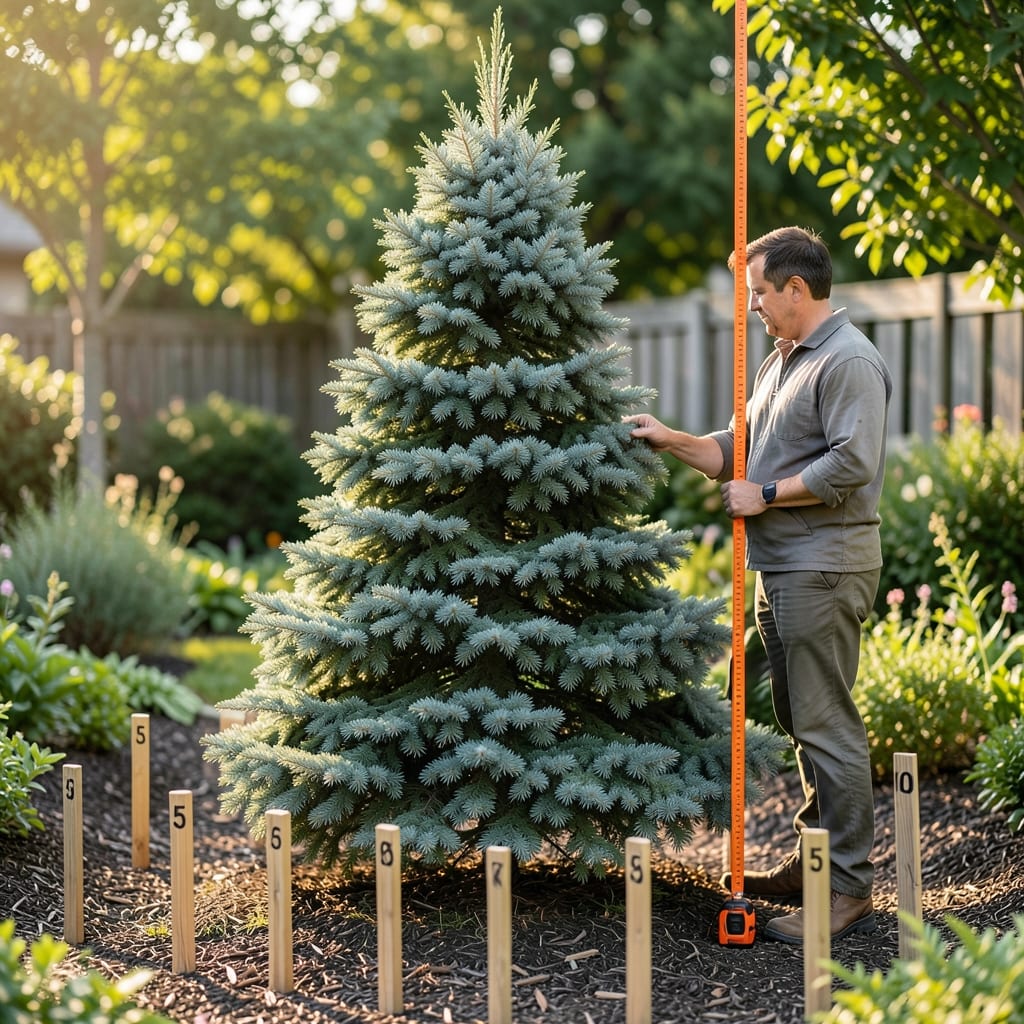
Wondering how tall do arborvitae trees grow before you commit to planting one? The answer depends entirely on the variety you choose, with some reaching towering heights while others stay neatly compact.
If you're dreaming of a privacy screen, varieties like the Green Giant can soar up to 50-60 feet—taller than a two-story house! But for smaller spaces, dwarf arborvitae like Emerald Green top out around 12-15 feet, perfect for hedges or foundation planting.
Beyond height, growth rate matters too. Fast growers like Green Giant add 3-5 feet per year, while slower varieties like American Plumosa mature more gradually. The right choice depends on your yard size, sunlight, and whether you want a quick privacy solution or a low-maintenance evergreen.
Let’s break down the best arborvitae for your space—whether you need a tall screen, a compact hedge, or something in between. Your perfect match is closer than you think!

Arborvitae tree height by variety: mature growth ranges explained
Choosing the right arborvitae starts with understanding their mature height ranges. Some varieties stretch skyward like skyscrapers, while others stay neatly contained—each perfect for different landscaping needs. Let’s explore the most popular types and their height potentials so you can pick the ideal fit for your space.
For privacy screens, the Green Giant arborvitae is a top choice, reaching 50-60 feet tall at maturity—taller than most two-story homes! This fast-growing giant adds 3-5 feet per year, making it ideal for quick privacy solutions in larger yards. If you need something more modest, the Emerald Green tops out around 12-15 feet, perfect for hedges or foundation plantings.
Here’s a quick visual comparison to help visualize these heights:
The American Plumosa arborvitae is another great mid-sized option, growing 10-15 feet tall with a more gradual growth rate of 1-2 feet per year. This makes it ideal for smaller yards where you still want a substantial evergreen presence without overwhelming your space. For container gardening or tiny yards, Leichtlin arborvitae is a dwarf variety that stays between 3-5 feet tall, perfect for patios or small hedges.
If you’re unsure which variety fits your space, consider your yard dimensions and how much vertical space you can accommodate. A 60-foot tree needs ample room to thrive, while a 5-foot dwarf can fit neatly into a balcony planter. Always measure your space before planting to avoid future pruning headaches.
Pro tip: Ellwoodii arborvitae is a fantastic compromise for medium-sized yards, reaching 30-40 feet tall while maintaining a narrower form. Its 2-3 feet of annual growth means you’ll see noticeable height gains each year without the rapid expansion of a Green Giant.
Remember, arborvitae heights can vary slightly based on soil quality, sunlight exposure, and watering habits. Providing well-draining soil and consistent moisture will help your tree reach its full potential height without stress. For container-grown varieties, ensure your pot is large enough to accommodate root growth over time.
Now that you know the height ranges, let’s talk about how to use these trees in your landscaping design—whether you’re creating a privacy screen, a foundation border, or a focal point in your garden. The right spacing and placement can make all the difference in achieving your vision.
How arborvitae height affects landscaping: spacing, privacy, and design tips
Choosing the right arborvitae isn’t just about height—it’s about how that height interacts with your landscape design. A 40-foot Green Giant planted too close to your home will cast deep shade and block views, while a 12-foot Emerald Green might feel lost in a large backyard. The key is understanding planting distances and how height translates to privacy effectiveness.
For privacy screens, aim for trees that reach your desired height within 5–10 years. A 30-foot tree (like a Leyland Cypress hybrid) needs 10–15 feet of clearance from structures to avoid root competition and shading issues. In tight spaces, opt for semi-dwarf varieties (10–15 feet) spaced 5–8 feet apart for a dense hedge.
📌 Height-to-Space Ratio Guide
- 10–15 ft trees: Plant 5–8 ft apart for hedges; 8–10 ft from structures.
- 20–30 ft trees: Space 10–15 ft apart; keep 15–20 ft from buildings.
- 40+ ft trees: Allow 20+ ft spacing; 25+ ft from homes/fences.
- Dwarf varieties: 3–5 ft apart; ideal for containers or borders.
If you’re using arborvitae as a windbreak, taller varieties (like Green Giant) work best when planted in staggered rows. For foundation planting, stick to semi-dwarf or dwarf types to avoid overwhelming your home’s facade. Pro tip: Mulch heavily around the base to retain moisture and suppress weeds, especially for fast-growing varieties.
Urban gardeners with height restrictions should consider columnar varieties (e.g., Columnaris, Sargentii), which grow 20–30 feet tall but only 3–5 feet wide. These are perfect for narrow yards or rooftop gardens. Always check local HOA or zoning laws—some areas limit tree heights to 10–15 feet for aesthetic consistency.
For layered landscaping, pair tall arborvitae with shorter shrubs (like boxwoods or hydrangeas) to create visual interest. Plant the tallest trees at the back of the border, medium-height varieties in the middle, and dwarf types along walkways or as accents. This technique adds depth and makes your space feel more intentional and polished.
Remember, arborvitae grow slowly after maturity, so their height won’t change drastically over time. If you’re unsure, start with container-grown saplings—they’re easier to move than mature trees. With the right spacing and variety, your arborvitae will become the backbone of your landscape for decades.