
Flowers
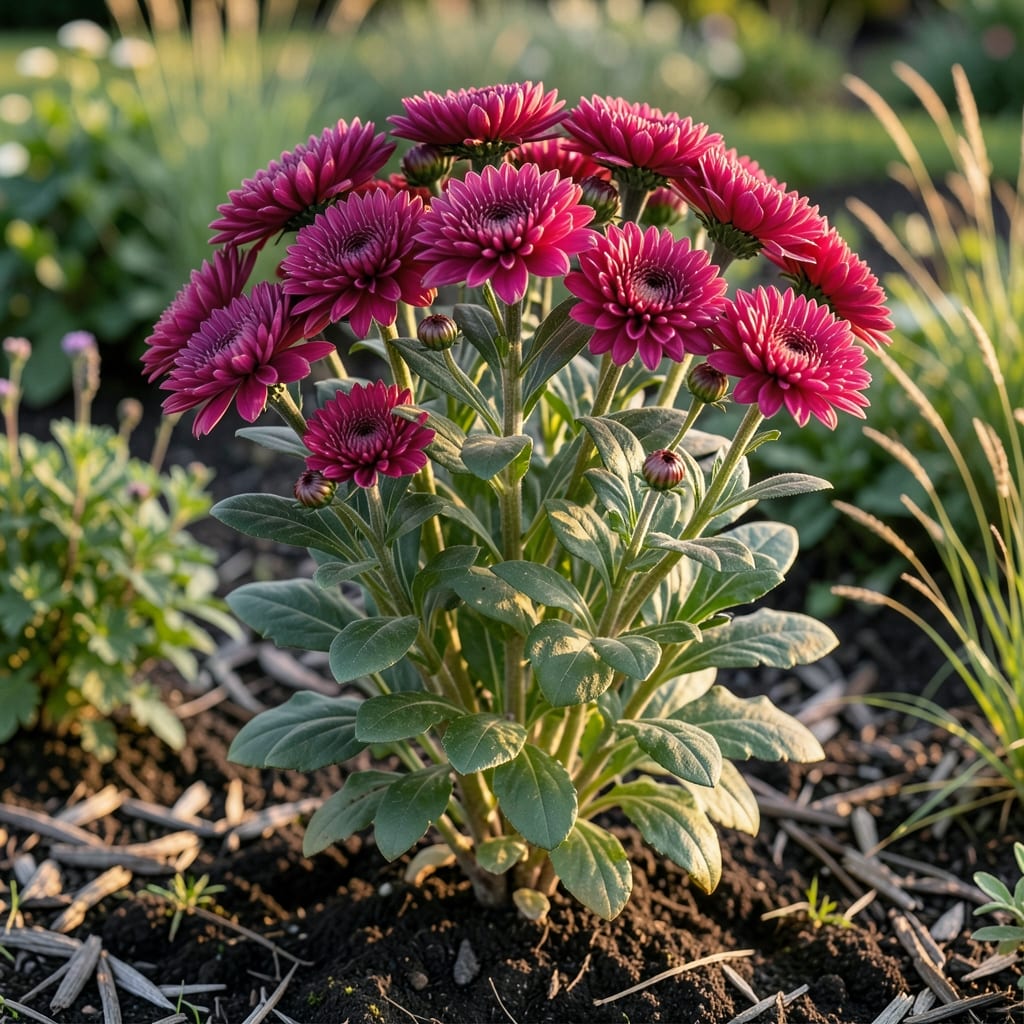
Ever wondered just how tall that stunning 🌼 florist's chrysanthemum in your neighbor's garden could grow? The answer might surprise you—these vibrant blooms can reach anywhere from 8 inches to over 3 feet, depending on the variety and how you care for them.
If you're planning your spring garden in Zone 6a, knowing these height ranges is key to choosing the perfect chrysanthemums for your space. Some varieties stay compact, making them ideal for containers or borders, while others grow tall enough to use as dramatic cut flowers or focal points in your landscape.
But here's the game-changer: with the right pruning techniques, you can actually control their height. Whether you want a bushy, low-growing plant or towering stems for bouquets, I'll show you exactly how to guide their growth—so you get the perfect size for your vision.
Ready to transform your garden with chrysanthemums that match your space? Let's dive into the varieties, care tips, and pruning secrets that will help you grow them to their full potential—without any surprises.

Florist’s chrysanthemum height by variety: dwarf to giant growth ranges explained
Florist’s chrysanthemums (Chrysanthemum × morifolium) are famous for their versatile heights, ranging from compact dwarf varieties to tall, dramatic stems perfect for bouquets. The key to achieving your desired height lies in selecting the right variety—each one has a natural growth range that responds differently to pruning and care. Whether you dream of a neat border plant or a showstopping cut flower, understanding these differences will help you plan your garden layout like a pro.
For example, 'Bonanza' and 'Bright Golden Anne' are classic standard-height varieties that typically reach 2 to 3 feet, making them ideal for mixed borders or cutting gardens. On the other hand, dwarf varieties like 'Polar Bear' or 'Snowball' max out at just 8 to 12 inches, perfect for container gardening or edging. Even within these categories, slight variations exist based on growing conditions and pruning practices.
Here’s the game-changer: pruning timing can adjust a plant’s height by up to 50%. A lightly pruned 'Dynasity' variety might grow to 3 feet, while aggressive pinching can keep it under 2 feet with a bushier form. This flexibility means you can tailor your chrysanthemums to fit any space—whether it’s a small patio pot or a large garden bed. Let’s break down the most popular varieties and their typical heights so you can make an informed choice.
| Variety | Height Range | Bloom Season | Ideal Use |
|---|---|---|---|
| 'Bonanza' | 2–3 ft | Fall | Cut flowers, borders |
| 'Bright Golden Anne' | 2–3 ft | Fall | Bouquets, containers |
| 'Dynasity' | 2.5–3.5 ft | Fall | Tall arrangements, focal points |
| 'Polar Bear' | 8–12 in | Fall | Containers, edging |
| 'Snowball' | 1–1.5 ft | Fall | Borders, mass plantings |
*Height ranges assume standard pruning practices in Zone 6a. Adjustments possible with pruning.
When selecting varieties, consider your garden’s layout and the purpose of your chrysanthemums. For instance, 'Dynasity' is a favorite for cut flower arrangements because its long stems (up to 3.5 feet) create dramatic bouquets. In contrast, 'Polar Bear' is perfect for small spaces like windowsills or balcony pots, where its compact stature prevents overcrowding. Even within a single variety, slight differences in care—like soil fertility or sunlight exposure—can influence height by a few inches.
Pro tip: If you’re unsure about a variety’s growth potential, check the seed packet or nursery tag for height ranges. Many reputable growers now include pruning recommendations to help you achieve the desired size. For example, 'Bright Golden Anne' often ships as a bare-root plant in early spring, and the tag will specify whether it’s been pre-pruned for height control. This small detail can save you time and guesswork later in the season.
One common mistake gardeners make is assuming all chrysanthemums grow the same way. In reality, spreading varieties like 'Mammoth' can reach 3 feet wide while staying only 2 feet tall, making them ideal for ground cover in sunny areas. Meanwhile, standard varieties like 'Bonanza' focus their energy on vertical growth. Understanding these differences ensures you choose plants that fit your vision without compromising their natural beauty.
For those in Zone 6a, timing your planting is crucial. Start seeds 4–6 weeks before the last frost date (around March–April) to give plants enough time to establish roots before summer heat sets in. If you’re planting bare-root varieties, soak the roots for 1–2 hours before transplanting to reduce shock. This early start helps ensure your chrysanthemums reach their full height potential by fall, when they’ll burst into color.
Remember, the height of your florist’s chrysanthemums isn’t set in stone—it’s
How pruning affects florist’s chrysanthemum height: techniques for controlling growth
Pruning is the secret weapon for controlling how tall your 🌼 florist's chrysanthemums grow—whether you want them to stay compact or reach towering heights. The right cuts at the right time can transform a leggy plant into a bushy masterpiece or encourage long stems perfect for cutting. I’ve found that timing is everything: prune too early, and you might stunt growth; wait too long, and you’ll miss the window to shape your plants.
For taller stems, focus on pruning in early summer to remove spent blooms and encourage vertical growth. This technique works best for varieties like 'Bonanza', which naturally lean toward height. On the flip side, if you prefer a bushier, shorter plant, pinch back the tips in late spring to promote lateral branching. This is especially useful for dwarf varieties like 'Bright Golden Anne'.
🌿
5 Pruning Rules for Height Control
- 🌱 Rule 1: Prune in early summer for taller stems.
- ✂️ Rule 2: Use clean, sharp shears to avoid damage.
- 🌿 Rule 3: Pinch back 1/3 of new growth for bushiness.
- 📅 Rule 4: Avoid pruning after mid-summer to preserve blooms.
- ☀️ Rule 5: Prune on sunny days to reduce disease risk.
One common mistake I see is pruning too aggressively, which can shock the plant and reduce flowering. Always remove no more than 1/3 of the plant’s height in a single session. Another tip? Prune in the morning when the plant is hydrated and wounds can heal quickly. This simple habit makes a big difference in how your chrysanthemums respond.
If you’re growing chrysanthemums for cut flowers, focus on pruning the outer stems first to encourage stronger central growth. This method gives you longer, sturdier stems perfect for bouquets. For garden displays, prioritize even pruning to maintain a neat, uniform appearance. Both approaches require patience, but the results are worth it.
For container-grown chrysanthemums, pruning is even more critical because space is limited. Regularly trim back leggy growth to keep the plant balanced and encourage more blooms. I’ve found that container plants often need more frequent pruning—about every 2-3 weeks—to stay compact and healthy. This is especially true in hot, dry climates where growth can become unruly.
Remember, every variety responds slightly differently to pruning. Experiment with your 🌼 florist’s chrysanthemums to see what works best for your climate and growing conditions. With the right techniques, you can guide their growth to match your garden vision—whether that’s a tall, dramatic backdrop or a low, lush border. Happy pruning!