
Size
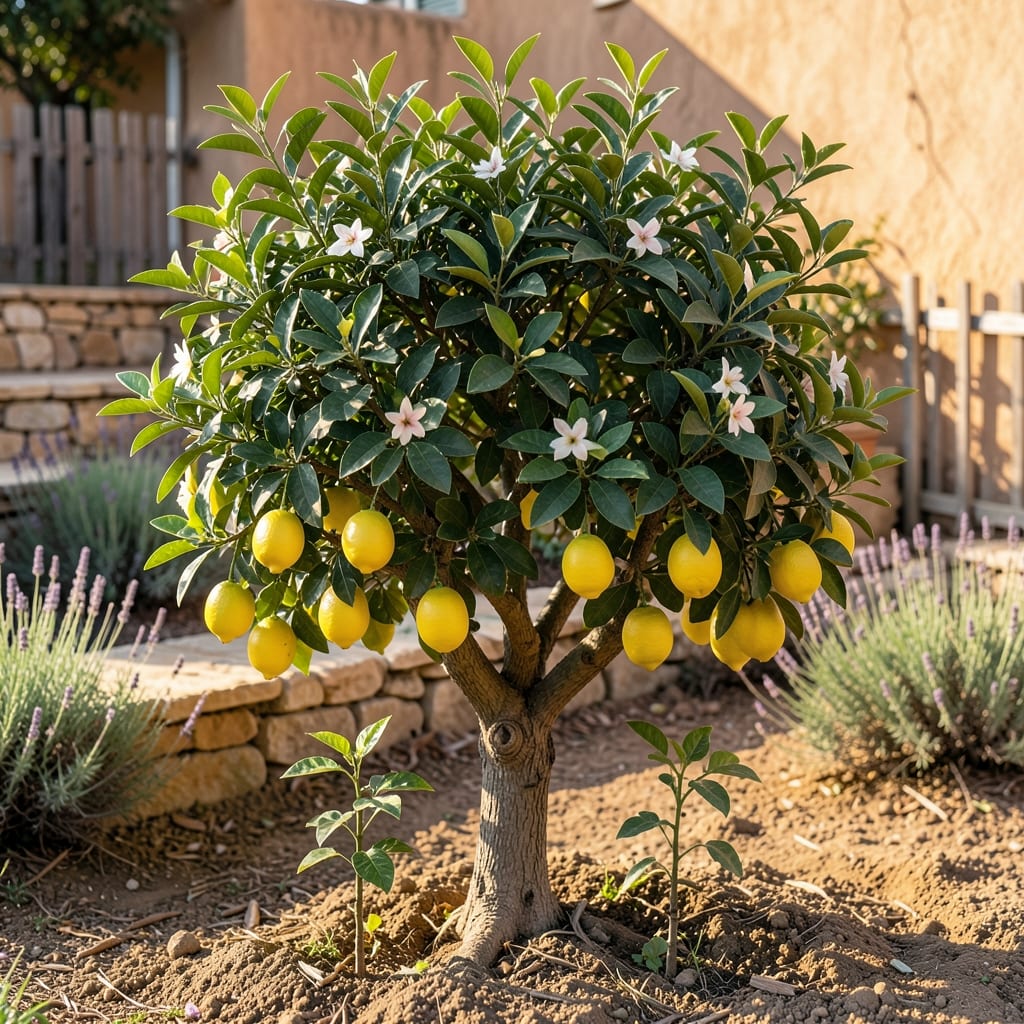
If you’ve ever wondered how tall can lemon trees grow—or why your backyard 🍋 seems to cap out at a manageable 6 feet—you’re not alone. These citrus giants can stretch from waist-high patio dwarfs to towering 40-foot giants in ideal conditions, but their height isn’t just luck.
The truth? Variety, climate, and care make all the difference. A Meyer lemon tree might stay compact, while a standard variety left unchecked could outgrow your garage. In USDA Zone 6, where winters bite, even the hardiest trees need protection to reach their full potential.
Want to know the fastest-growing varieties and how to coax your lemon tree toward the sky? I’ll break down the secrets—from pruning hacks to soil tricks—that turn a 3-foot sapling into a fruit-bearing giant in just a few years.
Let’s get growing—your future harvest (and taller tree) will thank you.


Lemon tree height by variety: from dwarf to giant trees
Lemon trees aren’t one-size-fits-all—some stay small enough for your kitchen counter, while others could shade your entire backyard. The variety you choose determines whether your tree hits 6 feet or 40 feet. Dwarf varieties like ‘Meyer’ lemons top out at 8–12 feet, making them perfect for containers, while standard varieties like ‘Eureka’ or ‘Lisbon’ can reach 20–40 feet outdoors.
Even within dwarf types, growth varies. A ‘Improved Meyer’ might stay under 6 feet with proper pruning, while a ‘Ponderosa’ lemon—a giant variety—can stretch 25+ feet with massive, textured fruit. Your garden layout and harvest goals should guide your choice.
Here’s how these varieties stack up in height—and what to expect in your space:
| Variety | Mature Height | Best For | Spacing Needs |
|---|---|---|---|
| Dwarf (Meyer, Improved Meyer) | 6–12 ft | Containers, patios, small yards | 10–12 ft apart |
| Semi-Dwarf (Villafranca, Femminello) | 12–18 ft | Large containers, small gardens | 15–20 ft apart |
| Standard (Eureka, Lisbon, Genova) | 20–40 ft | Large yards, orchards | 25–30 ft apart |
| Giant (Ponderosa, Bearss) | 25–40+ ft | Orchards, rural properties | 30–40 ft apart |
If you’re growing in containers, even standard varieties can be pruned to stay under 10 feet. Just be prepared to harvest smaller fruit and prune aggressively to control height. For outdoor planting, standard varieties need space—imagine a 30-foot canopy casting shade over your patio!
Pro tip: Top-working (grafting a dwarf variety onto a standard tree’s roots) can give you the height of a giant with the fruit size of a dwarf. It’s a gardener’s secret for custom-sized trees.
Next, let’s talk climate—because even the tallest lemon tree won’t thrive if your USDA zone isn’t right. Some varieties freeze in Zone 7, while others bake in Zone 11. Your local growing conditions could be the difference between a 6-foot bush and a 20-foot tree.
🌱
Climate zones & growth limits: why your lemon tree isn’t reaching its full height
Your lemon tree’s height isn’t just about genetics—it’s a battle between climate zones and your tree’s resilience. In USDA Zone 6, where winters drop below 10°F, even the hardiest varieties like ‘Meyer’ lemons may struggle to exceed 6 feet without protection. Meanwhile, in Zone 11, where temperatures rarely dip below 40°F, standard varieties can shoot up to 40 feet with minimal stress.
The USDA hardiness zone you live in sets the baseline for growth. Lemon trees thrive in Zones 9–11, but with winter chill protection (like moving pots indoors or wrapping trunks), you can push their limits even in Zone 7. Without these precautions, your tree might stay stunted or even die back entirely.
Here’s how your local climate affects height—and what you can do to maximize growth:
Even in warm climates, extreme heat or humidity can stunt growth. For example, Florida’s high humidity may encourage faster leaf growth but reduce vertical expansion compared to California’s dry, sunny conditions, where trees grow taller and straighter. If your tree seems bushy but short, it might be over-pruned or nutrient-deficient.
Another key factor? Winter chill hours. Lemon trees need 200–400 hours below 45°F annually to set fruit. Without enough chill, your tree might grow leaves but skip flowering, leaving you with a tall but fruitless giant. In Zone 10+, where chill hours are scarce, choose low-chill varieties like ‘Meyer’ lemons to avoid this issue.
🌳
Next, let’s dive into the fastest-growing lemon tree varieties—and how to prune and feed them to reach their full height without sacrificing those juicy lemons. Some varieties can add 3 feet per year with the right care!