
Trees
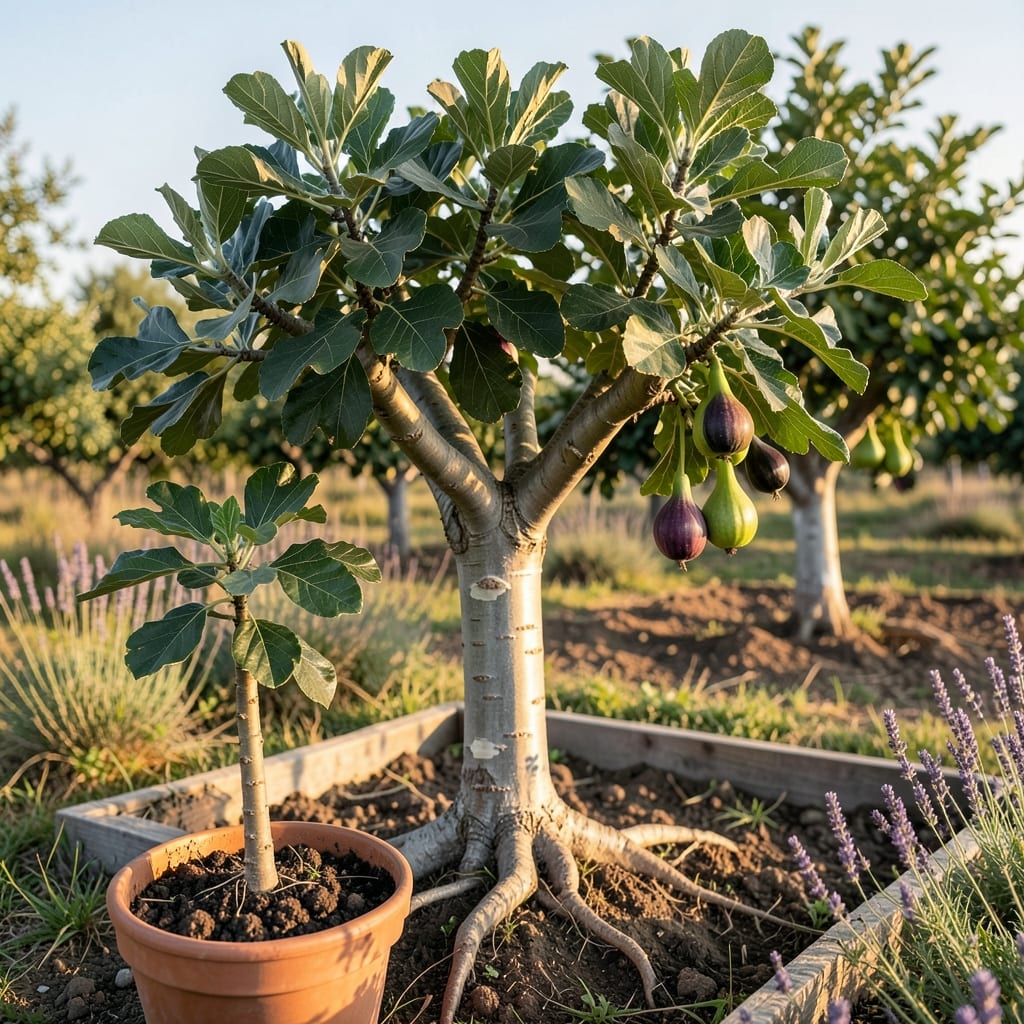
If you’ve ever wondered how tall can fig trees grow in your backyard, the answer might surprise you—some varieties stay compact like shrubs, while others stretch toward the sky like towering sentinels. Whether you’re dreaming of a cozy patio shade or a dramatic backyard centerpiece, your fig tree’s height depends on more than just time.
Fig trees like the 🍈 Ficus carica can reach 20-30 feet in ideal conditions, but dwarf varieties like ‘Little Miss Figgy’ stay a manageable 6-10 feet. The key? Your climate zone, pruning habits, and even soil quality play a bigger role than you’d think. In USDA Zone 6a, for example, winter chills can stunt growth, while warm southern climates let them flourish.
Want fast results? Some varieties grow 3-5 feet per year with the right care—think ‘Celeste’ or ‘Brown Turkey.’ I’ll show you how to pick the perfect type for your space, plus pro tips to control height naturally. Ready to turn your fig tree dreams into reality?
From tiny patio trees to towering giants, we’ll break down everything you need to know—so you can plant with confidence and enjoy years of sweet, sun-drenched harvests. Let’s get growing!


Fig tree height by variety: smallest to tallest growing types
If you’re choosing a fig tree, the first question should be: how tall can fig trees grow in your space? The answer varies wildly—from compact dwarf varieties perfect for containers to towering standard figs that need room to stretch. Let’s break down the most popular types and their mature heights, so you can pick the perfect fit for your garden.
The Ficus carica (common fig) is the most widely grown type, with heights ranging from 8 feet to over 30 feet depending on the variety. But don’t let those numbers scare you—with the right pruning and care, even large figs can be managed. For example, the ‘Little Miss Figgy’ stays a tidy 6-10 feet, while the ‘Violette de Bordeaux’ can reach 25 feet if left unchecked.
Here’s a quick comparison of fig tree heights—from patio-friendly to backyard giants:
| Variety | Mature Height | Growth Habit | Best For |
|---|---|---|---|
| Little Miss Figgy | 6–10 ft | Compact, bushy | Containers, patios |
| Celeste | 12–18 ft | Upright, fast-growing | Backyard shade |
| Brown Turkey | 20–30 ft | Tall, spreading | Large gardens, privacy screens |
| Violette de Bordeaux | 25–30 ft | Vigorous, wide canopy | Ornamental, large estates |
| Ficus benjamina (Weeping Fig) | 30–50 ft | Fast-growing, pendulous branches | Tropical landscapes, large properties |
For container growing, stick to dwarf varieties like ‘Little Miss Figgy’ or ‘Desert King,’ which thrive in 15-20 gallon pots. If you’re planting in the ground, consider the mature canopy width—some figs spread 15-20 feet wider than their height! For example, the ‘Brown Turkey’ might top out at 25 feet but spread just as wide, making it a statement piece for large backyards.
Pro tip: If you love the look of a tall fig but limited space, try espalier training. This technique lets you grow figs flat against a fence or wall, keeping them at a manageable height while maximizing fruit production. I’ve seen ‘Celeste’ figs trained to 8 feet tall with a 4-foot spread, perfect for small urban gardens.
One variety that often gets overlooked is the ‘Chicago Hardy’, a cold-hardy fig that matures around 12-15 feet. It’s a great choice for USDA Zone 5-6 gardeners who want a reliable, medium-sized tree. Unlike its taller cousins, it’s less likely to get damaged by winter winds or heavy snow loads.
If you’re after fastest growth, the ‘Celeste’ and ‘Brown Turkey’ varieties are top performers, often adding 3-5 feet per year in ideal conditions. To encourage this rapid growth, focus on well-draining soil, regular watering, and a balanced fertilizer in spring and summer. Avoid over-fertilizing, though—too much nitrogen can lead to leafy growth at the expense of fruit.
For those who love unusual figs, the ‘Ficus carica ‘Purple’ or ‘Black Jack’ can reach 20-25 feet and produce striking, dark fruit. These varieties are less common but well worth the effort if you have the space. Just be prepared for their aggressive root systems, which can spread 10-15 feet beyond the trunk.
Remember, the height of your fig tree isn’t set in stone—pruning plays a huge role in shaping its size. In the next section, we’ll dive into how your climate zone can either limit or encourage your fig’s growth potential. Spoiler: If you’re in Zone 10 or warmer, your fig could easily hit its full height, while Zone 6 gardeners might see stunted growth without winter protection.
How climate zones affect fig tree growth height
Your USDA hardiness zone is one of the biggest factors in determining how tall your fig tree will grow. While Ficus carica can reach 20-30 feet in ideal conditions, colder zones like Zone 6a may see stunted growth—often just 10-15 feet—due to winter stress. In warmer zones (8-11), figs thrive, reaching their full height potential with proper care.
For example, in Zone 9-11, figs like ‘Brown Turkey’ can grow 25+ feet tall, while in Zone 7, they might max out at 15-20 feet. Even within the same zone, microclimates—like a sheltered spot near your home—can add 2-5 extra feet of growth by protecting the tree from harsh winds and frost.
Cold snaps can be devastating to fig trees, especially young ones. In Zone 6a, where I garden, I’ve learned to plant dwarf varieties like ‘Little Miss Figgy’ (6-10 ft) or use container growing to overwinter trees indoors. Mulching with 6-8 inches of straw adds insulation, helping roots survive winter and encouraging faster spring growth.
🌱 Fig Tree Height by Climate Zone
| Zone | Mature Height Range | Winter Care Tips | Growth Rate |
|---|---|---|---|
| Zone 5-6 | 6-12 ft (dwarf varieties) | Container growing, heavy mulch, winter wrap | Slow (1-2 ft/year) |
| Zone 7 | 10-18 ft | Mulch, frost cloth for young trees | Moderate (2-3 ft/year) |
| Zone 8-9 | 15-25 ft | Minimal care, prune for shape | Fast (3-5 ft/year) |
| Zone 10-11 | 20-30+ ft | No winter care needed | Very fast (4-6 ft/year) |
If you’re in a cooler zone, focus on pruning strategies to control height. I prune my Zone 6a fig tree aggressively in early spring, cutting back 1/3 of the canopy to encourage bushier growth. This keeps it under 10 feet while still producing abundant fruit. For warmer zones, minimal pruning is needed—just remove dead wood and shape the tree for aesthetics.
Another trick? Topping your fig tree—cutting the main trunk to encourage lateral branching—can reduce height by 30-50% while increasing fruit production. I’ve seen this work wonders with ‘Celeste’ figs, turning them from lanky trees into manageable shrubs. Just be sure to prune after the last frost to avoid stressing new growth.
Remember, soil quality and watering habits also play a role. Well-draining, nutrient-rich soil helps figs grow taller and stronger, while consistent moisture (especially in summer) prevents stunted growth. In my garden, I’ve noticed figs in Zone 7 with poor soil grow only 12-15 feet, while those in amended soil reach 18+ feet. 🌿