
Trees
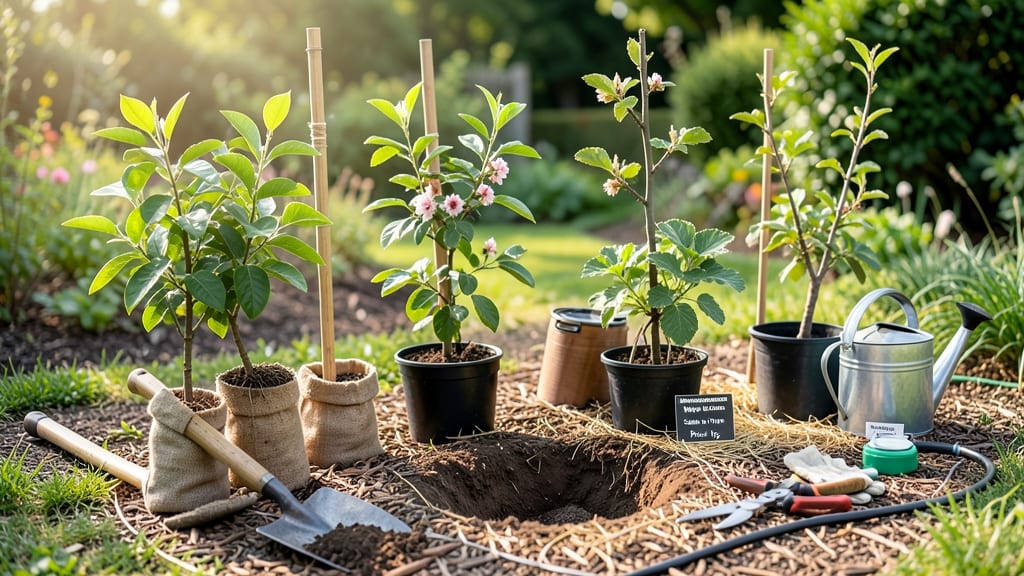
Timing your fruit trees 🍎 planting in Zone 8 isn’t just about picking a month—it’s about beating the summer heat while giving roots the best chance to establish. Plant too early, and your trees might struggle with transplant shock; too late, and they’ll face drought stress before winter sets in.
Most gardeners in Zone 8 swear by fall planting (October-November), when soil stays warm enough for root growth but temperatures are cooling down. This gives your trees a head start before the brutal summer heat arrives, setting them up for stronger growth and higher yields.
But what if you missed the fall window? Don’t worry—early spring (February-March) is your second best shot, just avoid planting when frost is still lurking. I’ll break down the exact timing, soil prep, and even which fruit tree varieties thrive best in Zone 8’s unique climate.
Whether you’re planting bare-root saplings or container-grown trees, these science-backed tips will help you avoid common mistakes and ensure your fruit trees grow into healthy, productive trees for years to come.
Optimal planting windows for fruit trees in Zone 8: month-by-month breakdown
Zone 8’s mild winters and long summers create a unique challenge for fruit tree planting. Unlike colder zones, you can’t rely solely on spring—fall planting often yields stronger root systems before summer heat sets in.
The ideal window spans from late fall (November) to early spring (February-March), with soil temperature and moisture as key factors.
Bare-root trees thrive when planted in dormancy (November-December), while container-grown trees offer more flexibility, allowing year-round planting except during extreme heat or frost.
Coastal Zone 8 areas (like San Diego) can plant slightly later, while inland regions (like Las Vegas) should plant earlier to avoid summer drought stress.
Here’s the month-by-month breakdown for Zone 8, including soil prep, temperature thresholds, and care tips to ensure transplant success:
| Month | Best for Planting? | Soil Temp Threshold | Care Tips |
|---|---|---|---|
| September | Good (container-grown only) | 60–70°F (15–21°C) | Water deeply; mulch to retain moisture |
| October | Ideal (bare-root or container) | 50–60°F (10–15°C) | Avoid compacted soil; stake young trees |
| November | Best (dormant planting) | 40–50°F (4–10°C) | Plant before first frost; protect with mulch |
| December | Good (bare-root only) | 35–45°F (2–7°C) | Water lightly; avoid fertilizing |
| January | Limited (avoid frost) | 40–50°F (4–10°C) | Wait for soil to thaw; plant early in month |
| February | Ideal (spring planting) | 50–60°F (10–15°C) | Prune dead branches; fertilize lightly |
| March | Good (before buds swell) | 55–65°F (13–18°C) | Monitor for pests; mulch heavily |
For bare-root trees, prioritize November planting—this gives roots 6–8 weeks to establish before summer heat. If you miss fall, February-March is your next best window, but avoid planting when buds are swelling (late March), as this stresses the tree.
Container-grown trees are more adaptable, allowing September or December planting, but always amend the soil with compost and water thoroughly after transplanting. In coastal Zone 8 (e.g., Los Angeles), you can plant up to early December, while inland areas should finish by mid-November.
Pro tip: Test your soil temperature with a soil thermometer—below 50°F (10°C) is ideal for root growth. If temperatures rise above 70°F (21°C), roots struggle to establish, leading to transplant shock.
After planting, focus on deep watering (15–20 gallons per tree) and mulching to retain moisture. Avoid fertilizing for the first 6–8 weeks—let the roots acclimate first!
🌱
Why late fall planting outperforms spring in Zone 8: root growth secrets
In Zone 8, late fall planting often beats spring planting because cooler soil temperatures reduce transplant shock and allow roots to establish before summer’s heat stress. When you plant in October or November, soil stays warm enough for root growth but cool enough to prevent evaporation.
This gives young trees a 6-8 week head start before summer arrives.
Spring planting, while popular, comes with risks in Zone 8. Early heatwaves can dry out soil quickly, forcing trees to focus on surviving drought rather than root development. By contrast, fall-planted trees enter dormancy with a stronger root system, ready to burst into growth when spring arrives.
Here’s the science: Trees planted in fall experience lower water stress because evaporation rates drop as temperatures cool. This means your irrigation efforts go further, and roots can spread deeper into the soil before winter dormancy sets in.
Another advantage? Fall planting aligns with natural rainfall patterns in many Zone 8 regions. While spring often brings erratic showers, fall’s gradual temperature drop coincides with increased moisture, giving roots the hydration they need to thrive.
For bare-root trees, fall planting is ideal because the lack of leaves reduces water loss, while container-grown trees benefit from the same cooler soil conditions. Both types establish faster in fall than they would in spring, when competition from weeds and soil compaction can hinder growth.
If you’re debating between seasons, consider this: A tree planted in November will often outperform one planted in March by the time summer rolls around. The key is to plant 6-8 weeks before the first frost, giving roots time to settle before dormancy begins.
For Zone 8 gardeners, fall planting isn’t just a strategy—it’s a game-changer. With the right timing, your fruit trees will hit the ground running in spring, setting the stage for years of abundant harvests and minimal stress. 🌱🍎
🌱 Fall vs. Spring Planting: Root Growth Comparison
| Factor | Fall Planting (Oct-Nov) | Spring Planting (Feb-Mar) |
|---|---|---|
| Soil Temperature | 60-70°F (ideal for root growth) | 50-60°F (cooler, slower growth) |
| Water Stress | Low (cooler temps = less evaporation) | High (early heat = rapid moisture loss) |
| Root Establishment | 6-8 weeks before dormancy | 4-6 weeks before summer stress |
| Weed Competition | Minimal (cooler temps slow weed growth) | High (spring weeds thrive) |
| Best For | Bare-root & container trees | Container trees only (bare-root struggles) |
Fall planting gives roots a critical advantage in Zone 8’s climate.
One common misconception is that spring planting gives trees more time to grow before winter. But in reality, Zone 8’s long growing season means trees planted in fall have plenty of time to establish before summer heat arrives.
The goal is to avoid planting too close to winter, as frozen soil can stunt root development.
For container-grown trees, fall planting is still preferable, but you can extend the window slightly into early spring if needed. Just be sure to water deeply after planting and mulch heavily to retain moisture.
The key is to give your tree the best possible start—whether that’s in fall or early spring.
If you’re new to fruit tree planting, start with dwarf varieties like peach trees or fig trees, which adapt well to fall planting and produce fruit faster. These varieties thrive in Zone 8’s climate and reward you with earlier harvests when timed correctly. 🌿🍑