
Trees
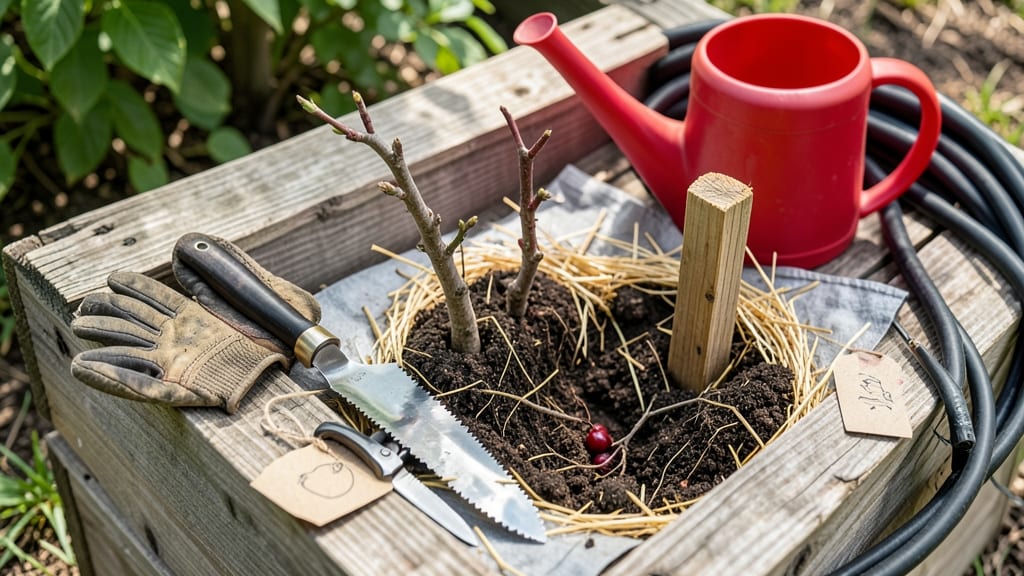
Timing your fruit trees planting in Zone 5 can mean the difference between a thriving orchard and years of frustration. With 5a-5b's unpredictable frost dates and short growing season, getting it wrong risks stunted roots or even death before the first harvest.
The key is planting when the soil warms to 50°F—typically between early April and May—but also accounting for your tree type. Bare-root saplings need cold dormancy to break, while container-grown varieties offer more flexibility. I’ll walk you through the science behind these windows and how to avoid common pitfalls.
Whether you’re dreaming of crisp 🍎 apples or juicy peaches, the right timing ensures strong root growth before summer heat sets in. Let’s break down exactly when to dig in for success in your Zone 5 garden.
From soil temperature checks to frost-free date calculations, you’ll learn how to time your planting like a pro. No more guessing—just data-driven decisions for a fruitful future.
Optimal planting windows for fruit trees in Zone 5 by species type
Zone 5’s short growing season demands precision when planting fruit trees. The best times are early spring (April-May) or early fall (September-October), when soil temperatures hover around 50°F+. This timing aligns with dormancy cycles and avoids late frosts that can damage emerging roots.
Spring planting lets trees establish roots before summer heat, while fall planting gives them time to root before winter dormancy. Bare-root trees thrive in both windows, but container-grown trees offer flexibility for late spring or early fall adjustments.
Here’s how to match your fruit tree variety to the perfect planting window:
| Variety | Ideal Planting Window | Soil Temp Threshold | Notes |
|---|---|---|---|
| Apple | Early spring (April) or fall (Sept-Oct) | 50-55°F | Needs cross-pollination; avoid late frosts |
| Peach | Early spring (April) only | 55°F+ | Sensitive to late frosts; plant after last frost |
| Cherry | Early spring (April) or fall (Sept) | 45-50°F | Sweet cherries need cold stratification |
| Plum | Early spring (April-May) or fall (Sept) | 50°F+ | Dwarf varieties adapt better to Zone 5 |
| Pear | Early spring (April) or fall (Sept-Oct) | 50°F+ | Self-pollinating options available |
For stone fruits like peaches, prioritize spring planting to avoid late frosts that can damage blossoms. Pome fruits (apples, pears) are more forgiving and can handle fall planting if soil isn’t frozen.
Pro tip: Use local frost-free date averages (typically May 15 in Zone 5) as your cutoff. Plant at least 2-3 weeks before to ensure root establishment before summer heat arrives.
Container-grown trees offer a 2-week flexibility window beyond bare-root options, making them ideal for late spring adjustments. Just ensure roots aren’t circling before transplanting.
Soil preparation is just as critical as timing. Amend planting holes with compost and native soil (50/50 mix) to improve drainage, especially in heavy clay common to Zone 5. A 6-inch layer of mulch helps retain moisture during dry spells.
Remember: Dormant trees (bare-root) planted in fall will sprout earlier in spring, giving them a head start. Container-grown trees, however, can be planted year-round in mild weather, offering more scheduling flexibility.
🍎
How to use soil temperature and spring phenology to time planting perfectly
Timing your fruit tree planting in Zone 5 isn’t just about checking the calendar—it’s about reading your soil and nature’s cues. The key lies in soil temperature thresholds and spring phenology, which tell you when roots can thrive without frost damage.
Most fruit trees need soil temps of at least 50°F (10°C) to establish roots, but cooler varieties like apples can handle slightly chilly soil.
Start by monitoring soil warmth with a soil thermometer—plant when temps stay above 50°F for 5+ days. This usually aligns with mid-April to early May in most of Zone 5, but microclimates (like south-facing slopes) may warm earlier.
Don’t rush—waiting for consistent warmth prevents root rot from cold, soggy soil.
Spring phenology—like watching native plants bloom—is a foolproof way to gauge safety. When red maple leaves unfurl or forsythia flowers yellow your yard, it’s time to plant.
These cues align with consistent 50°F+ soil and minimal frost risk. For bare-root trees, this window is critical—their roots need moisture but hate soggy cold.
Zone 5’s short growing season demands precision. If you miss spring, your next chance is early fall (September-October), when soil cools to 60°F (15°C). This lets roots grow before winter dormancy.
Avoid late fall planting—soil freezes too soon, stunting roots. Use mulch (4-6 inches) to insulate roots if planting in fall’s shoulder season.
Pro tip: Adjust for microclimates. A south-facing slope may warm 2 weeks earlier than a north-facing yard. Test soil in multiple spots before committing. And if your area has late spring frosts, opt for late-blooming varieties like Honeycrisp apples or Reliance peaches, which tolerate brief chills.
Remember: Container-grown trees give you a 4-week buffer—they adapt faster to soil temps. But even they need stable 50°F+ soil to thrive. Pair your planting with deep watering (10-20 gallons) to kickstart root growth.
The goal? Strong roots by summer so your tree bears fruit in 3-5 years, not decades.