
Trees
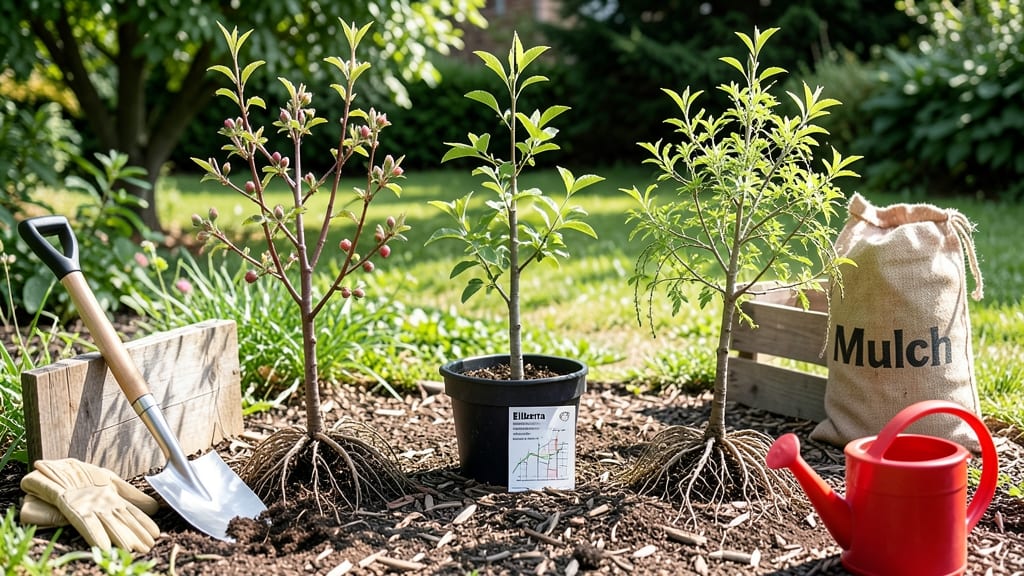
Timing your fruit tree planting in Indiana’s Zone 5b-6b climate makes all the difference between a thriving orchard and years of disappointment. 🍎 If you plant too early, frost can damage delicate roots; too late, and your trees won’t establish strong growth before winter.
The key? Understanding Indiana’s two perfect windows—early spring and fall—when soil temperatures and moisture align for success.
Most gardeners assume spring is the only time to plant fruit trees, but Indiana’s fall planting (October-November) actually gives roots a head start. The cooler weather reduces stress, and trees enter dormancy with a robust foundation.
Meanwhile, early spring planting (March-April) works well for bare-root trees, letting them take advantage of Indiana’s 165 frost-free days to grow before summer heat arrives.
Whether you’re planting apples, peaches, or cherries, the right timing ensures your trees develop deep roots and strong canopies. I’ll break down the science behind Indiana’s microclimates, soil prep tips, and how to choose between bare-root and container-grown trees for your orchard.
Let’s get those fruit trees off to the best possible start!
Ready to avoid common mistakes and maximize your harvest? You’ll learn how to prepare your soil, select the best varieties for Zone 6, and care for your trees year-round.
The difference between a 5-year wait for fruit and a 2-year wait often comes down to planting at the right moment—and I’ve got the exact schedule you need.
Best planting months for fruit trees in Indiana’s Zone 6 climate
Indiana’s Zone 6 climate offers two ideal windows for planting fruit trees: early spring (March–April) and fall (October–November). These periods align with soil temperature thresholds and dormancy cycles for apples, peaches, cherries, and pears, ensuring strong root establishment before extreme weather.
Spring planting lets trees establish roots before summer heat, while fall planting allows roots to grow before winter dormancy.
Bare-root trees—common in nurseries—thrive when planted in early spring (March) or fall (October), as their roots are dormant and ready to absorb moisture. Container-grown trees, however, can be planted year-round except in winter’s frozen ground.
Indiana’s last frost date (around April 15) marks the safest cutoff for spring planting, while fall planting should wrap up by mid-October before the first frost.
Microclimates across Indiana—from northern cooler zones to southern warmer regions—can shift ideal planting windows by 2–4 weeks. For example, southern Indiana may safely plant peach trees in late March, while northern Indiana might delay until mid-April to avoid late frosts.
Always check your local USDA Zone 5b–6b frost data for precision.
🌱 Indiana Fruit Tree Planting Guide
| Tree Type | Best Planting Window | Soil Temp Threshold | Notes |
|---|---|---|---|
| Apple (e.g., Honeycrisp) | Early spring (March) or fall (Oct) | 40–50°F | Cold-hardy; needs cross-pollination. |
| Peach (e.g., Redhaven) | Late March–April | 50–60°F | Heat-sensitive; avoid late frosts. |
| Cherry (e.g., Montmorency) | Early spring (March) | 35–45°F | Dormant in winter; plant early. |
| Pear (e.g., Bartlett) | Fall (Oct) or early spring | 45–55°F | Tolerates partial shade; slower to bear fruit. |
| Plum (e.g., Stanley) | Spring (April) or fall (Oct) | 40–50°F | Drought-tolerant; great for small spaces. |
🌡️ Pro Tip: Use a soil thermometer to confirm 50°F+ soil temps before planting container-grown trees.
Dormancy is key for fruit trees in Indiana. Apples and cherries enter dormancy in late fall, making fall planting ideal—their roots grow slowly but steadily until winter. Peaches and pears, however, benefit more from spring planting to avoid late frosts that can damage blossoms.
Always choose dwarf or semi-dwarf varieties for smaller yards, as they mature faster and require less space.
Indiana’s clay-heavy soils can slow root growth if not amended properly. Before planting, loosen soil to a depth of 12–18 inches and mix in compost or aged manure to improve drainage.
A pH of 6.0–7.0 is ideal for most fruit trees, so test your soil and adjust with lime (to raise pH) or sulfur (to lower it) if needed. This prep work is critical for root establishment in both spring and fall plantings.
Container-grown trees offer flexibility but require year-round planting (except winter). If planting in late spring or summer, water deeply 2–3 times per week for the first month to reduce transplant shock.
Mulch with 3–4 inches of organic mulch (like wood chips) to retain moisture and regulate soil temperature. Avoid mulching too close to the trunk to prevent rot.
Timing also affects first-year fruit production. Trees planted in fall may bloom earlier the following spring, while spring-planted trees focus energy on root growth. For peaches and plums, spring planting ensures they avoid late frosts that can kill blossoms.
Always research your specific variety’s chilling hours requirement (e.g., 800–1,000 hours for apples) to match Indiana’s climate.
Local nurseries often stock bare-root trees in early spring and container-grown trees year-round
Best planting months for fruit trees in Indiana’s Zone 6 climate
Indiana’s Zone 6 climate offers two prime windows for planting fruit trees: early spring (March–April) and fall (October–November). These periods align with soil temperatures and dormancy cycles, ensuring strong root establishment before extreme weather hits.
For bare-root trees, fall planting is ideal—they can establish roots before winter without competing with summer heat.
Spring planting (March–April) works best for container-grown trees or if you missed fall. The key is avoiding the last frost date (around April 15)—planting too early risks frost damage to tender roots.
Indiana’s microclimates (e.g., northern vs. southern regions) can shift timing by 1–2 weeks, so check local frost data for precision.
| Season | Ideal Planting Window | Soil Temp Threshold | Best For |
|---|---|---|---|
| Fall | October–November | 45–55°F | Bare-root trees |
| Spring | March–April | 50–60°F | Container-grown trees |
For apples and pears, fall planting is critical—they need 6–8 weeks of root growth before winter. Peaches and cherries, however, prefer spring planting to avoid late-winter frost damage to blossoms. Always choose dormant-season varieties (e.g., Honeycrisp apples) for Indiana’s short growing season.
Indiana’s clay-heavy soils can delay warming in spring, so test soil temperature with a soil thermometer (aim for 50°F+). If planting in urban areas, heat from buildings may warm soil earlier—adjust timing accordingly. Mulch heavily after planting to regulate soil temperature and retain moisture.
Missed the ideal window? Container-grown trees can be planted in May or September, but expect slower initial growth. Avoid planting in December–February—frozen soil prevents root establishment. For dwarf varieties, timing is slightly more flexible, but always prioritize root development over top growth.
Pro tip: Mark your planting dates on a calendar and note local frost patterns. Indiana’s 165 frost-free days mean fruit trees must mature quickly—starting with the right timing sets them up for success. 🌱