
Trees
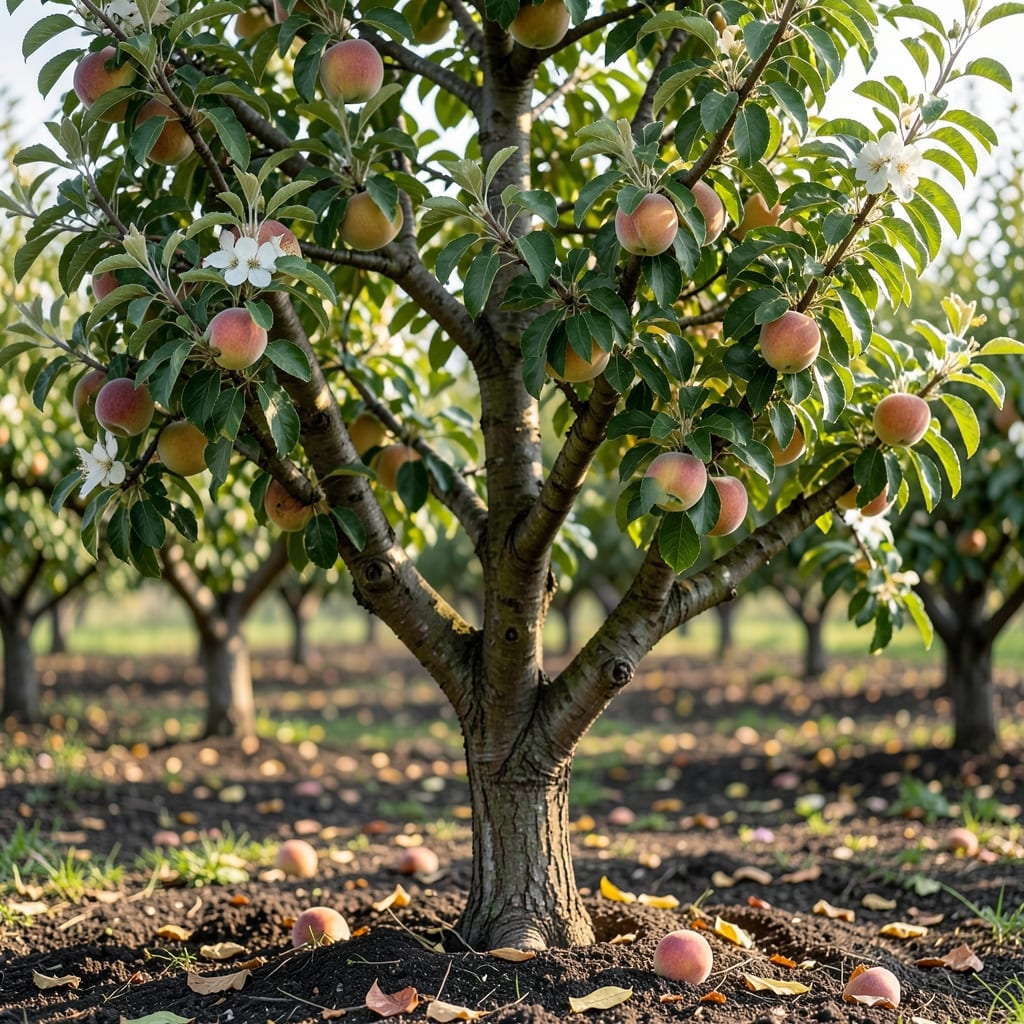
If you're wondering "how tall can peach trees grow", the answer might surprise you—some varieties reach 25 feet tall, while others stay compact enough for small yards or even containers! With the right choice and care, you can enjoy homegrown 🍑 without sacrificing space.
Peach trees aren't one-size-fits-all—standard varieties tower over most gardens, but dwarf and semi-dwarf options fit cozy spaces perfectly. Whether you're planting in USDA Zone 6a or a container, knowing your tree's potential height helps you plan for years of sweet harvests.
Beyond variety, pruning plays a huge role in controlling height. Learn how to shape your tree for manageable growth, even if you start with a full-sized sapling. The key is balancing ambition (big fruit!) with practicality (backyard space!).
Ready to pick the perfect peach tree for your space? I'll walk you through the best options and pruning tips to keep your tree happy—and your harvest within reach. Let's get growing!


Peach tree height by variety: dwarf, semi-dwarf, and standard sizes explained
Peach trees come in three main height categories: dwarf, semi-dwarf, and standard, each offering different space solutions. A standard peach tree typically reaches 18-25 feet tall—taller than most two-story homes!—while dwarf varieties stay between 6-10 feet, perfect for containers or small backyards. Your choice depends on available space and desired fruit yield.
Most standard varieties like 'Elberta' or 'Redhaven' grow aggressively without intervention, making them ideal for rural properties with ample room. However, even these can be managed with regular pruning. Semi-dwarf trees (12-18 feet) strike a balance, offering good fruit production while fitting medium-sized yards. The key difference? Rootstock—dwarf trees are grafted onto stunted rootstock, while standard trees use vigorous rootstock.
Here's how height breaks down by growth stage: Year 1 brings 2-4 feet, Year 2 doubles that to 6-10 feet, and by Year 3, most trees hit 12-18 feet. By maturity (Years 4-6), standard trees reach their full height. Climate matters too—trees in USDA Zone 6a may grow slightly slower than those in warmer zones due to shorter growing seasons.
🌱
| Variety Type | Mature Height | Best For | Fruit Size | Pruning Needs |
|---|---|---|---|---|
| Dwarf (e.g., 'Bonanza', 'Bonanza Red') | 6-10 ft | Containers, small yards | Small-medium | Minimal (annual shaping) |
| Semi-Dwarf (e.g., 'Redhaven', 'Sanguinole') | 12-18 ft | Medium yards, urban homes | Medium-large | Moderate (annual pruning) |
| Standard (e.g., 'Elberta', 'J.H. Hale') | 18-25 ft | Rural properties, orchards | Large | High (regular thinning) |
| Columnar (e.g., 'Bonanza Columnar') | 8-12 ft (narrow) | Small spaces, vertical gardens | Small | Minimal (vertical pruning) |
📏 Pro Tip: Measure your space before choosing—leave 3-5 feet around the tree for airflow and maintenance.
For urban gardeners, dwarf varieties like 'Bonanza' (8 feet) or columnar types (12 feet tall but only 2 feet wide) are game-changers. These fit in 5-gallon containers or small raised beds, though they may produce slightly smaller fruit. Semi-dwarfs like 'Redhaven' (15 feet) work well in yards with 10x10-foot clearances, while standard trees need full yards or orchard spaces.
Soil quality dramatically affects height—poor drainage or compacted soil stunts growth, while rich, well-draining loam encourages vigorous expansion. I always amend planting holes with compost and sand to ensure proper drainage, which helps roots establish quickly. Sunlight exposure also plays a role: trees in full sun (6+ hours/day) grow taller faster than those in partial shade.
If you're planting near power lines or structures, dwarf or semi-dwarf varieties are non-negotiable. Even standard trees can be pruned to stay under 12 feet with consistent annual maintenance. The trade-off? Reduced fruit production compared to unpruned trees. For maximum yield, I recommend choosing a variety that naturally fits your space rather than fighting a standard tree's growth habit.
🌳
Remember: height isn't everything. A well-pruned 10-foot dwarf tree can produce just as many peaches as an unpruned 20-foot standard tree—it just takes more effort to manage the larger variety. Start small if you're new to peach growing; you can always upgrade to a larger tree later if your space allows. And if you love the idea of peaches but lack outdoor room, container growing is a fantastic alternative with the right dwarf variety.
☀️
Peach tree height by variety: dwarf, semi-dwarf, and standard sizes explained
Peach trees come in three main height categories: standard, semi-dwarf, and dwarf. Standard varieties can reach 20-25 feet tall, making them perfect for rural properties but challenging for small backyards. Semi-dwarfs top out at 12-18 feet, offering a middle ground, while dwarf varieties stay between 6-12 feet, ideal for containers or tight spaces.
The variety you choose directly impacts your tree's height and fruit production. For example, the 'Redhaven' standard peach grows 20+ feet tall, while the 'Bonanza' dwarf stays under 10 feet. Even within categories, growth varies by rootstock and growing conditions, so always check the specific variety's details before planting.
🌱
| Variety | Mature Height | Best For |
|---|---|---|
| Redhaven | 20-25 ft | Large gardens, rural properties |
| Bonanza | 8-10 ft | Containers, small yards |
| Sanguinole | 12-15 ft | Suburban backyards |
| Elberta | 18-22 ft | Standard-sized yards |
| Relenta | 6-8 ft | Containers, urban gardens |
Beyond variety, soil quality and sunlight exposure influence height. Peach trees thrive in full sun (6-8+ hours daily) and well-draining soil. Poor soil or shade can stunt growth, while ideal conditions may accelerate height gains. In USDA Zone 6a, where peaches grow best, proper care ensures your tree reaches its full potential.
For small spaces, consider dwarf varieties grafted onto semi-dwarf rootstock. These hybrids often grow 10-15 feet tall but produce fruit faster than full-sized trees. Always check the rootstock type when purchasing—it’s the foundation for controlling height!
🌳