Trees
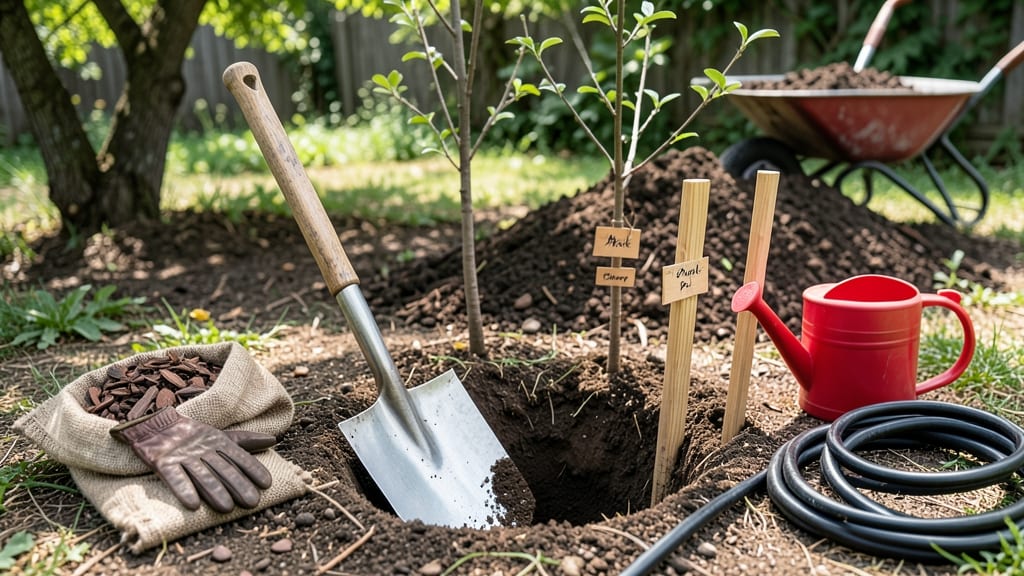
Timing your fruit tree planting in Zone 6 isn’t just about grabbing a shovel—it’s a high-stakes game of beating frost while giving roots the best shot to establish. Skip the window, and you risk weak roots or worse, a tree that never recovers from winter’s chill.
The good news? With the right cues—like soil temperature and last frost dates—you can plant with confidence, whether you’re going for early spring’s March-April rush or fall’s quieter September-October slot.
I’ve seen firsthand how a few weeks’ difference can mean the gap between a 🍎 thriving orchard and a sad, frost-nipped sapling. Zone 6’s 6a-6b climate demands precision: too early, and roots freeze; too late, and summer heat stresses young trees.
The key? Plant when soil hits 40°F—warm enough for roots to wake up but cool enough to avoid drought stress.
Let’s break down the exact moments to dig in, from apples that need March’s last frost to peaches that prefer April’s milder days. You’ll also learn how to prep your site—drainage, sun exposure, and soil prep—to set your tree up for a frost-free future.
Ready to turn your backyard into a fruit-filled paradise?
Whether you’re a first-time gardener or a seasoned grower, these actionable tips will help you plant with the confidence of someone who’s already reaped the rewards. No more guessing—just perfect timing for your Zone 6 fruit trees.
Zone 6 fruit tree planting timeline: exact dates by tree type
Timing your fruit tree planting in Zone 6 is all about beating the last frost while avoiding late-season cold snaps. Most nurseries recommend planting bare-root trees in early spring (March-April) or container-grown trees in early fall (September-October). However, the exact window depends on the fruit type and your local microclimate.
For Zone 6a (colder), aim for March 15-April 15 in spring or September 15-October 15 in fall. In Zone 6b (warmer), you can push spring planting to April 1-15 and fall planting to October 1-15. These dates align with soil temperatures reaching 40-50°F—ideal for root establishment.
Here’s the critical rule: Never plant when nighttime temperatures dip below 40°F. Young roots are vulnerable to frost damage, and even established trees struggle to recover if planted too early. Use your local USDA frost date calculator to pinpoint your exact window.
🌱
Peaches are the most frost-sensitive of these varieties, so wait until after your last frost date—even if it means delaying until mid-April. Apples and pears are more forgiving but still need 600-1,000 chill hours (Zone 6 typically delivers this).
Cherries and plums can handle cooler soil, making them better candidates for early spring planting.
Pro tip: If you’re planting in fall, do it at least 6 weeks before your first frost. This gives roots time to establish before winter dormancy. For spring planting, avoid weeks with unpredictable temperature swings—check your local National Weather Service for 10-day forecasts.
Container-grown trees offer flexibility since they’re not dormant. You can plant them anytime during the growing season (April-October), but still prioritize soil warmth over calendar dates. Just be prepared to water deeply and mulch heavily to protect roots.
🌿
One common mistake is planting bare-root trees too late in fall. If you miss the September-October window, wait until early spring—don’t risk exposing roots to freezing temperatures. For container-grown trees, late fall planting is riskier because roots may not harden off in time.
To confirm your local planting window, dig a soil thermometer 4 inches deep. Plant when temperatures consistently stay above 40°F for 5+ days. In Zone 6a, this often means waiting until late March or early April, while Zone 6b gardeners can start as early as mid-March.
🪴
How to avoid frost damage: the 3 critical pre-planting checks
Frost is the silent killer of young fruit trees, and in Zone 6, it’s a real threat if you plant too early. I’ve watched bare-root saplings wither overnight because their roots weren’t ready for the cold snap.
The key to avoiding this heartbreak? Three non-negotiable checks before you dig that first hole.
First, soil temperature must reach at least 40°F—any colder, and roots risk freezing. Use a soil thermometer to test 6 inches deep, especially in northern Zone 6a where frosts linger longer. If it’s still chilly, wait—your tree’s roots will thank you later.
Next, scout your microclimate. A south-facing slope warms faster than a low-lying area, which can stay frost-prone for weeks longer. If your yard has frost pockets, consider planting on a southern exposure or using a windbreak to shield young trees.
Finally, check your last frost date—not the average, but your local history. In Zone 6, this typically falls in mid-May, but rural areas can be 1-2 weeks later than cities.
Use almanac data or ask local nurseries for their records. Planting 4-6 weeks before your last frost gives roots time to establish before summer heat arrives.
Don’t forget to mulch heavily after planting—4-6 inches of organic mulch insulates roots and prevents temperature swings. I’ve seen apple saplings in Zone 6 thrive with this extra protection, even when nighttime temps dip into the 30s°F.
By mastering these three checks, you’ll give your fruit trees the best shot at survival and set them up for years of abundant harvests. Trust me, the extra patience now saves hours of heartache later.