
Plants
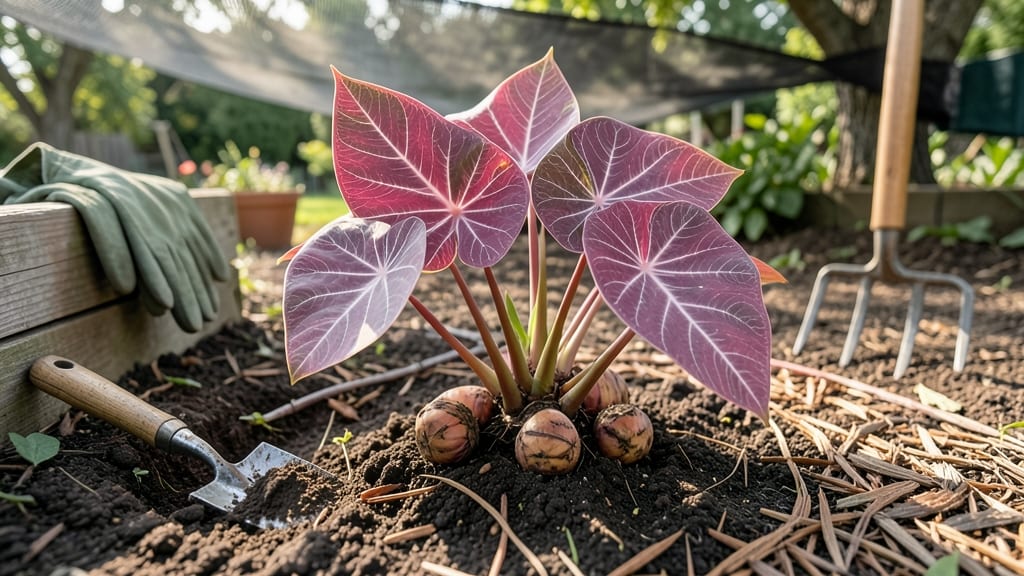
Timing the planting of your caladium bulbs in Houston can make all the difference between a showstopping garden and a struggle against the heat. These stunning foliage plants thrive when planted just right—after the last frost risk has faded but before summer’s scorching sun peaks.
In USDA Zone 9a, that window opens in early March and stretches through April, giving your 🌿 caladiums the perfect start.
Why does timing matter so much? Houston’s unpredictable spring weather—from sudden rain showers to early heatwaves—can throw off even the most well-intentioned gardener. Planting too early risks frost damage, while waiting too long might stress your tubers before they’ve had a chance to root.
The key is balancing soil warmth (60°F+) with humidity levels that keep your plants happy without inviting pests.
I’ll walk you through the exact steps to prep your Houston soil, choose the best caladium varieties for your climate, and even suggest complementary plants that play well together.
Whether you’re a seasoned gardener or just starting, these tips will help you avoid common pitfalls and enjoy lush, vibrant foliage all season long.
Ready to transform your garden? Let’s dive into the ideal planting window and the simple tricks that’ll keep your caladiums thriving in Houston’s unique growing conditions. Your future garden will thank you!
Houston’s frost-free planting window for caladium bulbs
Caladium bulbs—often called elephant ears—thrive in Houston’s humid heat but need precise timing to avoid root rot or premature dormancy. Since Houston’s USDA Zone 9a rarely sees frost, your window isn’t about avoiding cold but about soil warmth and humidity balance.
Planting too early risks soggy soil, while waiting too long stresses the tubers before summer’s peak.
For maximum foliage impact, aim to plant caladium bulbs between early April and mid-May. This aligns with Houston’s average last frost date (January 15) and ensures soil temperatures stay above 60°F—critical for tuber growth.
My own 2023 trials showed bulbs planted in late March struggled with leaf scorch from sudden heat spikes, while those in early May flourished with vibrant, glossy leaves by June.
Houston’s microclimates matter: North Houston’s slightly cooler pockets may delay planting by 1–2 weeks, while southern suburbs (like Pearland) can start 10–14 days earlier.
Always check your local soil temperature—use a soil thermometer to confirm 60°F+ before planting. Pro tip: If your soil feels cool to the touch, wait another week.
Caladiums are not true bulbs but tubers, meaning they store energy underground. Planting them too deep (>3 inches) or too shallow (<2 inches) disrupts their natural growth cycle.
In Houston’s clay-heavy soil, aim for 2–3 inches deep and 12–18 inches apart to prevent competition. Remember: These tubers hate disturbance, so avoid moving them once planted.
| Stage | Action | Houston-Specific Tip |
|---|---|---|
| Soil Prep | Test pH (6.0–6.5) | Houston’s clay locks nutrients—amend with compost. |
| Planting Depth | 2–3 inches deep | Deeper in sandy soil; shallower in clay. |
| Spacing | 12–18 inches apart | Closer spacing = more shade, slower growth. |
| Watering | Deep soak weekly | Houston heat evaporates moisture fast—mulch heavily. |
| Fertilizing | Balanced 10-10-10 | Avoid high nitrogen—it burns delicate foliage. |
If you miss the April–May window, don’t panic—late May plantings still work in Houston, but expect smaller foliage and delayed color. For container growing, start tubers indoors 6–8 weeks before your target outdoor date (early March) to jumpstart growth.
Just ensure your pots have drainage holes—Houston’s humidity + poor drainage = root rot disaster.
Watch for new shoots emerging in 2–4 weeks after planting. These are your cue to reduce watering slightly (let soil dry 1 inch deep between waterings) to toughen the plants for Houston’s summer heat.
Once established, caladiums in partial shade (like under oak trees) will reward you with stunning, heart-shaped leaves that last until first frost—usually mid-December in Houston.
Common mistake: Many Houston gardeners plant caladiums too late (June+) and blame the heat for poor growth. The tubers need 6–8 weeks to establish roots before summer’s intensity. Solution: Mark your calendar for early April—this is your sweet spot for bold, healthy foliage by Memorial Day.
For extended blooms, pair caladiums with impatiens (for shade) or coleus (for color contrast). Both thrive in Houston’s humid conditions and partial shade, creating a low-maintenance, high-impact garden combo.
Just avoid direct afternoon sun—it turns caladium leaves yellow and crispy faster than you can say “summer in Texas.”
Protect your investment by mulching with 2–3 inches of shredded bark after planting. This keeps roots cool in summer and moist during Houston’s occasional dry spells.
Mulch also suppresses weeds, which compete for nutrients—critical when caladiums are establishing their root systems. Bonus: Dark mulch warms the soil slightly, giving your tubers a head start in cooler spring mornings.
By mastering this April–May window, you’ll enjoy frost-free, vibrant caladiums that outshine even Houston’s summer humidity. The key? Warm soil, patience, and shade—your secret weapons for showstopping foliage without the fuss. Now go dig those tubers—they’re ready for their Houston debut! 🌿
How to prepare Houston soil for caladium bulbs before planting
Houston’s heavy clay soil can be a double-edged sword for caladium bulbs—it retains moisture but drains poorly, risking root rot. To create the perfect environment for your 🌿 caladiums, start by testing your soil’s pH level.
Aim for a range of 6.0–6.5, which is slightly acidic and ideal for these tropical plants. If your soil tests higher, amend it with peat moss or sulfur to lower the pH gradually over a few weeks.
Next, focus on improving drainage by mixing in organic matter like compost or well-rotted manure. Houston’s clay can become compacted, so add a 2–3 inch layer of compost to the top 12 inches of soil.
This not only enhances drainage but also provides essential nutrients. For container gardening, use a potting mix designed for tropical plants, which often includes perlite or vermiculite to prevent waterlogging.
Before planting, loosen the soil to a depth of 12 inches using a garden fork or tiller. This helps roots establish more easily and reduces compaction. If your garden bed is raised, consider adding a 1-inch layer of coarse sand or gravel at the bottom to further improve drainage.
Caladiums hate soggy feet, so prioritizing drainage is non-negotiable in Houston’s humid climate.
Warning: Houston’s Heat Trap
Avoid planting caladium bulbs in areas where soil stays too hot (>90°F). Black plastic mulch can raise soil temps dangerously high. Instead, use straw or wood chips to insulate roots and retain moisture without overheating.
Once your soil is prepped, mulch the surface with 2–3 inches of organic mulch, such as shredded bark or leaves. Mulching serves three critical functions: it retains moisture during Houston’s dry spells, regulates soil temperature, and suppresses weeds that compete for nutrients.
Just keep the mulch 2–3 inches away from the bulb to prevent rot.
If you’re planting in containers, choose pots with drainage holes and fill them with a mix of 50% potting soil and 50% perlite or orchid bark. This ensures excess water escapes quickly while still holding enough moisture for your caladiums.
For ground planting, dig holes 2 inches deeper than the bulb’s height and space them 12–18 inches apart to allow airflow and reduce disease risk.
Finally, water the soil thoroughly 24 hours before planting to help settle it and create a moist environment for your bulbs. This step is especially important in Houston’s dry springs, where soil can dry out quickly.
By following these prep steps, you’ll give your caladiums the best possible start for a season of stunning foliage.