
Trees
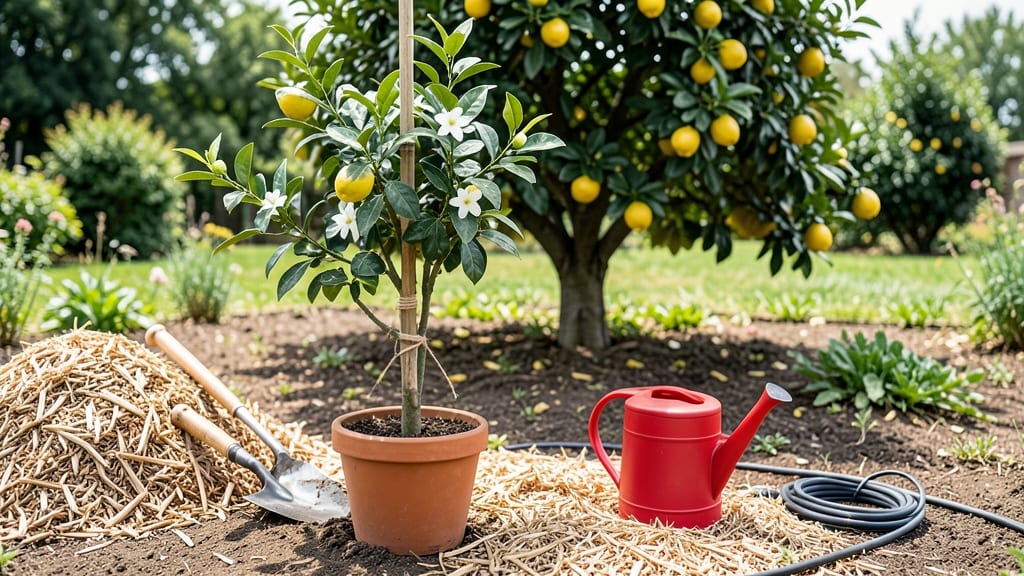
Timing your citrus tree planting in Central Florida isn’t just about the calendar—it’s about avoiding the hidden risks that can turn your sweet 🍊 dreams into a soggy mess.
Whether you’re in Orlando’s steamy heat or Tampa’s coastal breeze, planting at the wrong time means battling stunted growth, frost damage, or even losing your tree before it bears fruit.
Here’s the truth: while you can plant year-round in Florida’s frost-free zone, late winter to early spring is your golden window. That’s when soil warms up just enough to help roots establish without summer’s brutal heat or winter’s occasional cold snap.
Skip this timing, and you might end up with a tree that struggles—or worse, never thrives.
I’ll break down the exact months that work best for your microclimate, plus pro tips for soil prep and post-planting care. No more guessing games—just a foolproof plan to grow a citrus tree that’s bursting with flavor year after year.
Let’s get your 🍊 off to the best possible start—because the right timing is the difference between a sad, sparse tree and a lush, fruit-bearing powerhouse.
Optimal planting months for Central Florida citrus trees by microclimate zone
Central Florida’s frost-free climate (USDA Zone 9b) makes citrus trees a year-round possibility, but timing still matters. The best window for planting is late winter to early spring—specifically January through March—when soil warms but summer’s brutal heat hasn’t arrived yet.
This period aligns with natural rainfall patterns and avoids extreme humidity that can stress young roots. Coastal areas like Tampa or St. Petersburg may extend planting into April, while inland zones like Orlando or Ocala should prioritize February to escape summer’s intense sun.
🌱
📅 Citrus Planting Calendar for Central Florida
| Zone | Best Planting Months | Key Considerations |
|---|---|---|
| Coastal (Tampa/St. Pete) | Jan–Apr | Higher humidity; avoid late spring to prevent fungal stress. |
| Inland (Orlando/Ocala) | Feb–Mar | Drier air; plant before summer’s intense heatwave (June+). |
| North Central (Lakeland) | Jan–Feb | Cooler nights; ideal for cold-sensitive varieties like Meyer lemons. |
| All Zones (Container Planting) | Year-round | Flexible timing; protect from winter chills (<32°F) with frost cloth. |
Avoid planting in late fall (Nov–Dec)—even though Central Florida rarely freezes, unpredictable cold snaps can occur, especially in north-central areas. For example, Lakeland saw a 28°F dip in 2018, damaging unhardened citrus.
Summer planting (May–Aug) is possible but risky due to intense UV exposure and soil heat stress. If you must plant then, use shade cloth for the first 4–6 weeks and water daily to help roots establish.
For container-grown citrus, timing is less critical, but spring planting still offers the best balance of warm soil and moderate humidity. Just ensure your pot has drainage holes and use a well-draining potting mix to prevent root rot.
🌿
Pro tip: Check the Florida Automated Weather Network (FAWN) for your local soil temperature. Citrus roots thrive when soil is 65°F+, so wait until mid-February in most areas to ensure optimal growth from day one.
🪴
Finally, new moon planting (a gardener’s folklore trick) is said to boost root development. While not scientifically proven, it’s a fun tradition—just align it with your optimal month for double the benefits!
How to prepare your soil and site for citrus trees in Florida’s climate
Central Florida’s sandy, fast-draining soils aren’t always ideal for citrus trees, which crave well-aerated yet moisture-retentive conditions. The key lies in amending soil and selecting the right planting location to mimic their native tropical habitats while adapting to Florida’s humidity and heat.
Start by testing your soil’s pH level—citrus thrives in slightly acidic to neutral soil, between 6.0 and 7.0. If your soil tests higher, mix in sulfur or peat moss to lower the pH gradually over 2-3 months.
For in-ground planting, choose a spot with 6-8 hours of sunlight and protection from strong afternoon winds, which can dry out leaves. Coastal areas like Tampa benefit from elevated beds to improve drainage, while inland Orlando gardens may need raised beds or mounded soil to prevent waterlogging.
Avoid low-lying areas where cold air pools, even in frost-free zones like Central Florida.
⚠️ Common Mistakes to Avoid
- Overwatering: Florida’s humidity means citrus roots rot quickly in soggy soil. Always check soil moisture 2 inches deep before watering.
- Skipping mulch: Without mulch, soil heats up too fast in summer, shocking roots. Use 3-4 inches of organic mulch (pine bark or wood chips) and keep it 6 inches away from the trunk.
- Planting too deep: The graft union (where the rootstock meets the scion) must stay above soil level to prevent disease.
Before planting, dig a hole twice as wide as the root ball but only as deep as the container. Mix the native soil with equal parts compost and sand to improve drainage and fertility.
For container-grown citrus, use a well-draining potting mix with perlite or vermiculite—avoid garden soil, which compacts easily. If your yard has clay-heavy soil, consider planting in large containers (at least 20 gallons) for easier control over moisture and nutrients.
Citrus trees also need good air circulation to prevent fungal diseases like citrus greening. Space trees 15-20 feet apart for standard varieties or 8-10 feet apart for dwarf types.
If planting near a fence or building, leave at least 10 feet of clearance to avoid root competition and heat stress. In coastal areas, use windbreaks like bamboo screens to shield young trees from salt spray and drying winds.
One often-overlooked step is pre-soaking the root ball before planting. Soak container-grown citrus for 1-2 hours to rehydrate roots, which reduces transplant shock. After planting, water deeply to eliminate air pockets in the soil and apply a 2-3 inch layer of mulch to retain moisture and regulate soil temperature.
In the first 2-3 weeks, water every 2-3 days to help roots establish, then taper off as the tree adjusts.
For existing citrus trees in your yard, conduct a simple soil test every 2-3 years to monitor pH and nutrient levels. Central Florida’s sandy soils often lack organic matter and micronutrients like zinc or iron, which citrus trees need for vibrant foliage.
Amend with composted manure or citrus-specific fertilizer in early spring to kickstart growth before the summer heatwave sets in.