
Companion Plants
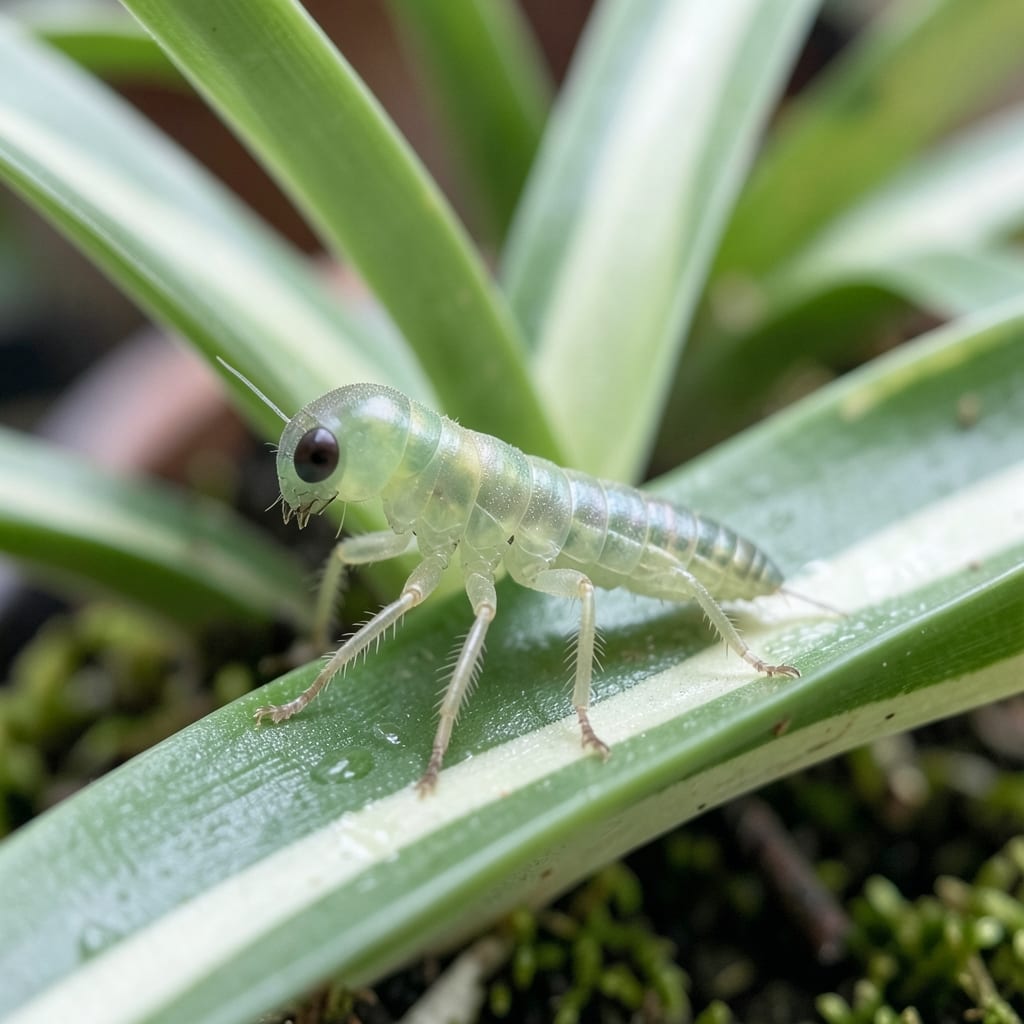
If you've ever wondered how much light a spider plant 🕷️ requires to thrive, you're not alone—this resilient plant surprises even seasoned plant parents with its flexibility. Unlike fussy houseplants, spider plants adapt to everything from dim corners to bright, indirect sunlight, making them the perfect low-maintenance green companion.
What truly sets spider plants apart is their ability to handle low-light conditions better than most, yet still reward you with vibrant, arching foliage when given just the right amount of brightness. The key lies in understanding the subtle signs your plant uses to communicate its needs—whether it's stretching toward the window or developing crispy edges.
In this guide, I'll break down exactly where to place your spider plant for optimal growth, from bathrooms with minimal natural light to sunrooms basking in gentle morning rays. You'll also learn how to spot the difference between underwatered and overlit leaves, so you can keep your plant happy year-round.
Ready to transform your struggling spider plant into a lush, thriving centerpiece? Let's dive into the simple secrets that make this plant so forgiving—and why it might just be the easiest houseplant you'll ever own.
 Best Window Placement
Spider plant light requirements: the ideal balance between too much and too little
Spider plants (Chlorophytum comosum) are famous for their adaptability, but even they have light requirements that can make or break their health. The key lies in bright indirect light, which mimics their natural under-canopy habitat in South Africa. Too little light leads to weak growth, while too much causes leaf burn—a delicate balance most gardeners struggle to perfect.
Think of your spider plant's ideal spot as a gentle morning sunbath without the harsh afternoon rays. East-facing windows provide perfect 4-6 hours of filtered light, while north-facing windows offer consistent, low-intensity light. Even west-facing windows work if the plant sits 3+ feet away to diffuse the intensity.
Here's where most people go wrong: assuming "more light = better growth." In reality, direct sunlight—especially from south-facing windows—can scorch leaves within weeks. The plant's chlorophyll responds poorly to UV spikes, causing crispy brown edges that mimic underwatering. I've seen this mistake repeatedly in my own collection!
The secret to success? Position your spider plant where it receives dappled sunlight—like under a sheer curtain or near a sheer. If you notice leaves stretching toward the light (etiolation), it's begging for more brightness. But if the tips turn yellow-brown, you've overshot the ideal.
Science backs up this balance: spider plants evolved under partial shade in their native habitat, where they receive filtered sunlight through tree canopies. Their photosynthesis efficiency peaks at moderate light levels—too little reduces energy production, while too much generates harmful reactive oxygen species. This is why even my most experienced clients often need a reminder about the "just right" zone.
For indoor growers, artificial lighting can bridge gaps in natural light. A grow light placed 12-18 inches above the plant for 10-12 hours daily mimics ideal conditions. I recommend LED grow lights with a 6500K color temperature to replicate natural daylight without the heat. Fluorescent lights work too but require closer placement (6-12 inches away).
Pro tip: Rotate your plant quarter-turn weekly to ensure even light exposure. I've seen spider plants develop lopsided growth when kept in one spot too long—they'll lean toward the light source like sunflowers! This simple habit keeps foliage symmetrical and encourages bushier growth.
Outdoor enthusiasts can also grow spider plants, but with precautions. Place them in morning sun with afternoon shade during summer months. In USDA Zone 9+, they can thrive outdoors year-round in partial shade gardens. Just avoid full sun exposure, which causes irreversible leaf bleaching within days.
Remember: your spider plant's light needs change with the seasons. Winter months often require moving plants closer to windows, while summer's intense rays may need additional shielding. I keep a light meter** handy to track intensity—it's become my secret weapon for perfecting plant care!
Signs your spider plant isn’t getting enough light (and how to fix it)
If your spider plant (🕷️ Chlorophytum comosum) looks sad, the culprit might be light deprivation. Unlike sun-loving plants, spider plants thrive in low to bright indirect light, but too little light triggers telltale signs. Watch for yellowing leaves or slow growth—these are red flags your plant needs more light or a better spot.
Start by checking your plant’s leaf color. Healthy spider plants have vibrant green stripes, but dull, pale leaves signal insufficient light. Even worse, brown patches or crispy tips can appear if the plant is getting too much direct sunlight. The key is balance—your spider plant wants bright, diffused light, not harsh rays.
Another clue? Stunted growth or sparse foliage. If your plant’s leaves are smaller than usual or growing slowly, it’s begging for more light. Even fewer "spiderettes" (those cute baby plants) mean your spider plant isn’t getting enough energy to propagate. Move it closer to a north-facing window or add a grow light for 6-8 hours a day.
Here’s a quick fix: Rotate your plant quarter-turn weekly to ensure even light exposure. If you’ve tried moving it but still see weak stems or limp leaves, your home might lack natural light. Try a south-facing window with a sheer curtain or a LED grow bulb to mimic sunlight.
For low-light conditions, place your spider plant 2-3 feet from an east-facing window. If that’s not an option, a north-facing room works too—just avoid dark corners. Even kitchen counters or bathroom shelves can work if they get some ambient light. The goal? 4-6 hours of indirect light daily.
Pro tip: Test your plant’s light by observing its leaves. If they’re stretching toward light (a process called etiolation), it’s time to relocate. A 10-inch grow light just 12 inches above your plant can mimic natural light perfectly. With the right balance, your spider plant will reward you with long, striped leaves and plenty of spiderettes!