
Light Requirements
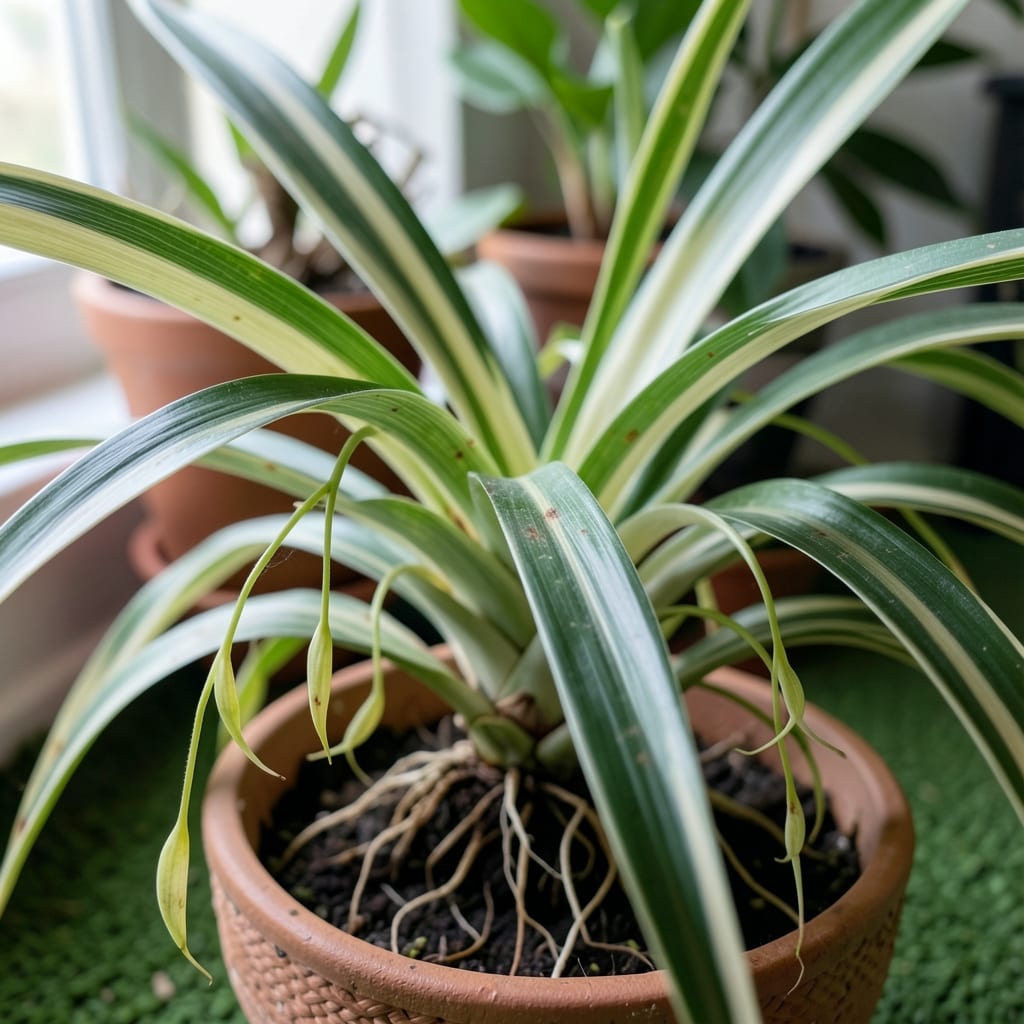
If your Spider Plant 🌱 is struggling with dull leaves or slow growth, the answer to how much light does a spider plant need indoors might be simpler than you think—it’s all about light. These hardy houseplants thrive in bright indirect light, but too much direct sun or dim corners can turn your lush green friend into a sad, leggy shadow of itself.
You don’t need a sunroom to grow a happy Spider Plant—just the right balance of light. Whether your home has north-facing windows or fluorescent bulbs, I’ll show you exactly where to place it for vibrant foliage and rapid growth. No guesswork, just proven tips to keep your plant flourishing year-round.
Let’s break down the ideal light conditions, from low-light tolerance to sunburn risks, and how to adjust care based on your home’s lighting. By the end, you’ll know exactly where to position your Spider Plant for that perfect "just right" glow.
Ready to transform your plant’s health? The secret starts with understanding its light needs—and it’s easier than you’d expect.


Ideal light requirements for spider plants: bright indirect light explained
Spider plants (Chlorophytum comosum) thrive in bright indirect light, making them perfect for most indoor spaces. Unlike sun-loving plants, they reject direct sunlight, which can scorch their leaves and bleach their variegation. The key is finding that golden middle ground—enough light for vibrant growth without the risk of burning.
Think of their ideal spot as morning sunlight with afternoon shade. East-facing windows are ideal because they provide gentle morning rays without the intense afternoon heat. North-facing windows also work well, especially in cooler climates, as they offer consistent, soft light throughout the day.
If you’re unsure about your home’s lighting, start by placing your spider plant 2-3 feet away from a window. This distance mimics the dappled shade they’d experience under a tree canopy in nature. Watch for signs like stretched leaves or dull variegation—these are clues your plant needs more light.
Here’s a quick breakdown of what each light condition means for your spider plant:
Notice how medium to bright indirect light is where your spider plant truly shines? This range ensures bold variegation and compact, bushy growth. The table above shows how light intensity directly impacts your plant’s health—so choose your spot wisely!
Pro tip: Rotate your plant every 2-3 weeks. Even in bright indirect light, plants lean toward the light source. A simple quarter-turn keeps your spider plant symmetrical and evenly exposed on all sides. This small habit prevents lopsided growth and ensures every leaf gets a fair share of light.
For low-light situations (like offices or bathrooms), don’t despair—spider plants are highly adaptable. They’ll survive in artificial light (fluorescent or LED bulbs) as long as you place them within 2 feet of the light source. Just avoid incandescent bulbs, which emit too much heat and can stress the plant.
One of my favorite tricks is using a sheer curtain to diffuse harsh sunlight. If your spider plant is near a south-facing window, drape a light-colored curtain to mimic the filtered light they love. This simple adjustment can turn a scorching spot into a perfect growing environment.
Remember, the goal is vibrant, healthy growth—not just survival. When your spider plant gets the right light, you’ll see shorter internodes (the gaps between leaves), brighter variegation, and more frequent offsets (those adorable "spiderettes"). That’s the payoff for getting the lighting just right!
Signs your spider plant isn’t getting enough (or too much) light
Your spider plant’s leaves speak volumes about its light conditions—pay attention to their color, shape, and growth patterns. When light is off, the first signs appear as subtle changes in foliage. For example, dull green leaves or stretched stems scream for more brightness, while brown patches or bleached variegation mean it’s getting too much direct sun. These clues help you diagnose issues before they become irreversible.
One of the most common red flags is leggy growth. When your spider plant stretches toward a window, it’s reaching for light. This happens in low-light conditions, where leaves grow far apart (long internodes) and become thin. The plant’s energy shifts from producing offsets to reaching for sunlight, slowing its overall health. If you notice this, move your plant closer to a bright, indirect light source—like a north or east-facing window.
⚠️ Warning: Signs of Light Stress
Too Little Light: Dull leaves, stretched stems, sparse offsets, slow growth
Too Much Light: Brown leaf tips, crispy edges, bleached variegation, sunburn spots
Act fast—these issues worsen without adjustment!
On the flip side, direct sunlight causes visible damage. If your spider plant sits near a south-facing window without protection, watch for brown or white patches on leaves. These are classic signs of sunburn, where UV rays cook the plant’s cells. The edges of leaves often crisp up first, followed by a papery texture. To fix this, move your plant further from the window or use a sheer curtain to filter the light.
Another telltale sign is loss of variegation. Spider plants with striped or speckled leaves rely on light to maintain their color contrast. In low light, the white or yellow stripes fade into plain green, making the plant look dull. This isn’t permanent—once you adjust the lighting, the variegation often returns as the plant recovers. For example, my ‘Variegatum’ spider plant lost its stripes in a dim corner but regained them within weeks after moving it to brighter conditions.
Don’t overlook the roots either. Healthy spider plants develop white, fibrous roots, but poor lighting can lead to thin, sparse roots or even root rot if the plant becomes stressed. If you repot your spider plant and notice weak roots, it’s a sign the plant has been struggling for nutrients due to insufficient light. Pair this with a light adjustment and a balanced fertilizer to encourage recovery.
Here’s a quick fix: Rotate your plant weekly if you suspect uneven lighting. This ensures all sides get equal exposure, preventing lopsided growth. Combine this with a light audit of your home—note which rooms are brightest and adjust your spider plant’s placement accordingly. With these adjustments, you’ll see healthier leaves, more offsets, and faster growth in just a few weeks.