
Plants
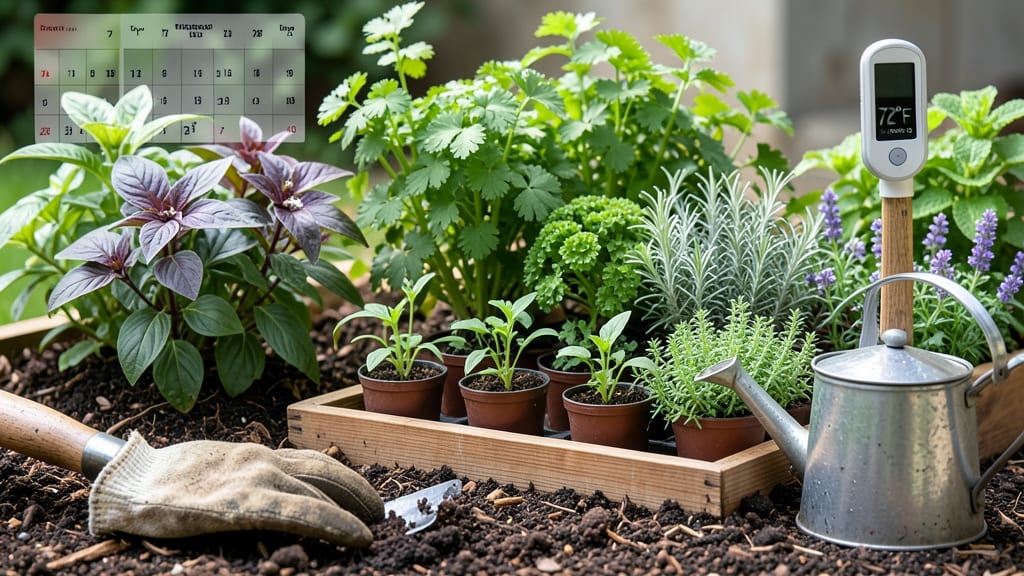
Knowing when to plant herbs in Zone 9b can mean the difference between a thriving kitchen garden and one that fades under the desert sun. In this frost-free zone, timing isn't just about seasons—it's about beating the brutal summer heat while making the most of mild winters.
I've grown herbs in Phoenix for years, and the key is planting in late summer or early fall when temperatures start to cool. This gives your 🌿 herbs time to establish roots before the real heat arrives, ensuring they don't bolt or wilt before you even get to harvest.
What you'll discover here is the exact schedule for planting everything from basil to rosemary, plus how to extend your growing season using simple tricks. Whether you're working with containers on a balcony or have a full backyard plot, these strategies will help you enjoy fresh herbs year-round.
Let's dive into the most important months to plant, which herbs thrive best in Zone 9b's climate, and how to keep them growing strong even when the thermometer climbs above 100°F.
Best planting months for herbs in Zone 9b by type
Zone 9b’s mild winters and scorching summers demand a strategic planting schedule for herbs. Unlike cooler zones, you can grow herbs year-round, but timing directly impacts flavor and survival. Fall and early spring are your sweet spots—avoid summer’s 100°F+ soil temps, which stress tender varieties like basil and cilantro.
Herbs in Zone 9b fall into two categories: annuals (like basil and dill) and perennials (like rosemary and thyme). Annuals thrive in cooler months, while perennials handle heat better but still need careful timing. Let’s break down the ideal months for each type to ensure lush, productive growth.
🌱 Key Insight: Soil temperature matters more than air temperature in Zone 9b. Most herbs prefer soil between 60°F–75°F at planting time. Use a soil thermometer to check—if it’s above 80°F, wait or opt for shade-tolerant varieties.
🌿 Zone 9b Herb Planting Guide
| Herb Type | Best Planting Months | Soil Temp Range | Notes for Zone 9b |
|---|---|---|---|
| Annual Herbs (Basil, Cilantro, Dill) | September–March | 60°F–75°F | Basil bolts in summer heat; cilantro thrives in cooler fall/winter. |
| Perennial Herbs (Rosemary, Thyme, Oregano) | Year-round (best in fall/winter) | 55°F–85°F | Heat-tolerant but prefer cooler roots; mulch heavily in summer. |
| Heat-Loving Herbs (Mint, Lemongrass, Stevia) | April–June or September | 70°F–90°F | Plant in partial shade during peak summer to prevent wilting. |
| Slow Starters (Parsley, Chives) | January–February | 50°F–65°F | Start indoors or use shade cloth until soil warms. |
For annual herbs like basil, I recommend planting in late August to early September to beat the summer heat. These varieties grow quickly and produce flavorful leaves when temperatures are mild. Cilantro, another annual, bolts rapidly in heat, so fall planting (October–November) is ideal for continuous harvests.
Perennial herbs like rosemary and thyme are more flexible but still benefit from fall planting. Their roots establish better in cooler soil, and they handle summer heat with ease. If you’re starting from seeds, sow perennials in September or October for robust growth by spring.
Pro Tip: Use shade cloth (30–50%) if planting in late spring (April–May). This protects tender herbs from sudden heat spikes while they establish. Remove the cloth once they’re 2–3 inches tall to encourage sun adaptation.
Container gardening is a game-changer in Zone 9b. Pots allow you to move heat-sensitive herbs like basil and parsley to shadier spots during summer. I’ve had great success with self-watering containers filled with well-draining potting mix to prevent root rot in the heat.
Don’t overlook succession planting—sow small batches of herbs every 2–3 weeks from September to February. This ensures a steady supply of fresh leaves without overwhelming your garden. For example, plant basil every 3 weeks in fall for continuous harvests through winter.
Finally, soil prep is non-negotiable. Zone 9b’s soil can be alkaline and nutrient-poor. Amend with compost and peat moss to improve drainage and fertility. A pH of 6.0–7.0 is ideal for most herbs—test your soil and adjust with sulfur if needed.
By following this schedule, you’ll avoid the two biggest pitfalls in Zone 9b herb gardening: bolting from heat stress and poor growth from improper timing. Your herbs will thrive, and your kitchen will always be stocked with fresh flavors!
How to extend your herb growing season in Zone 9b
Zone 9b’s mild winters and scorching summers create unique challenges for herb gardeners. The key to continuous harvests is extending your growing season—both avoiding summer heat stress and protecting fall/winter crops. Here’s how I do it in my own garden to keep herbs thriving year-round.
First, stagger your planting schedule to ensure fresh herbs are always available. For example, sow basil and cilantro in September and October for fall harvests, then repeat in February for spring growth. This two-phase approach prevents gaps in your supply and avoids the brutal summer heat.
🌿 Visual Guide: Extending Your Herb Season 🌿
📋 5 Proven Strategies for Zone 9b
- 🌱 Stagger Planting: Sow seeds every 4-6 weeks (Sept, Nov, Feb) for continuous harvests.
- ☀️ Use Shade Cloth: 30-50% shade in summer protects delicate herbs like parsley and dill.
- 🪴 Container Gardening: Move pots to shaded areas during peak heat (June-August).
- 🍃 Mulch Heavily: 3-4 inches of straw or wood chips retains moisture and protects roots in winter.
- 🌡️ Overwinter Perennials: Cover rosemary and thyme with frost cloth for light frosts.
For heat-sensitive herbs like basil and cilantro, shade cloth is a game-changer. I use 30-50% shade fabric during June and July to block intense afternoon sun, which can cause bolting. Hang it above your plants or drape it loosely—just enough to reduce light by 30% while allowing airflow. This trick keeps my basil producing flavorful leaves instead of bitter flowers.
Container gardening offers flexibility in Zone 9b. I grow potted herbs on my patio and move them to shadier spots when temperatures exceed 90°F. Terracotta pots help regulate soil temperature, but I always add mulch to retain moisture.
For urban gardeners, this method lets you adjust conditions instantly—critical when sudden heatwaves hit.
Don’t overlook mulching—it’s one of the simplest ways to protect roots in both summer and winter. I use straw or wood chips (3-4 inches thick) around my herb beds. In summer, it insulates soil and reduces evaporation; in winter, it prevents temperature swings that can stress perennials like rosemary.
Plus, it suppresses weeds, giving your herbs less competition for nutrients.
Finally, overwintering perennials with frost cloth ensures you’ll have fresh rosemary and thyme year-round. Even in Zone 9b, high desert areas can see light frosts, and these herbs can suffer damage.
I cover them with breathable frost cloth when nighttime temps dip below 40°F, and remove it during the day. This low-effort hack keeps my perennial herbs lush and aromatic through winter.