
Vegetables
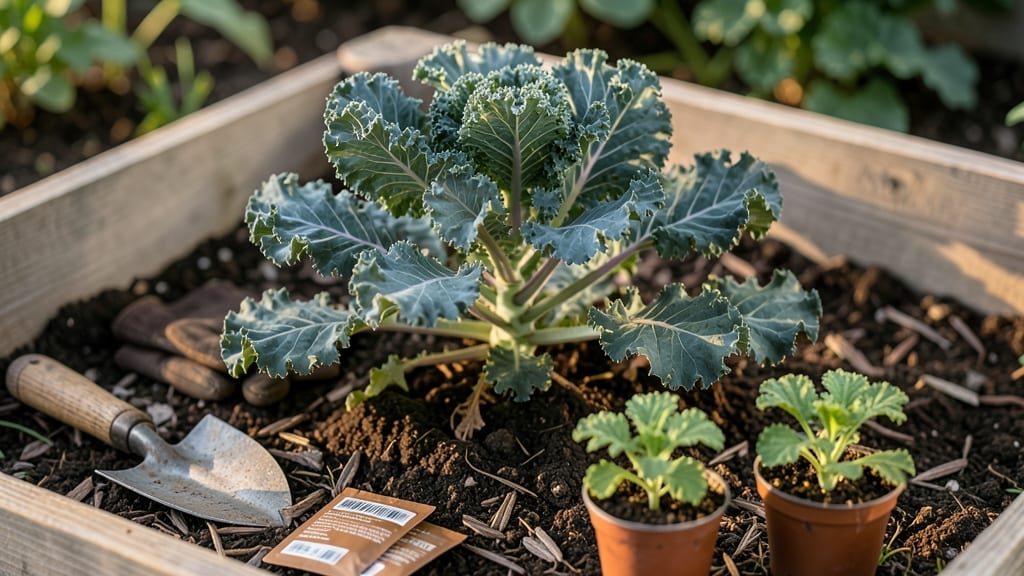
If you're wondering when to plant kale in Northern California, timing is the secret to sweet, crisp harvests—whether you're in the coastal fog or inland heat.
The wrong schedule can mean bitter leaves or wasted effort, but get it right, and you'll enjoy fresh 🥬 straight from your garden for months.
Northern California's 8a-9b zones offer two perfect planting windows: late summer for fall harvests and early spring for a spring bounty. Coastal areas like San Francisco can start as early as August, while inland spots like Fresno should wait until September to avoid heat stress.
This isn't just guesswork—it's about working with your microclimate's quirks.
I'll show you exactly which months work best for your location, plus how to pick the right kale varieties for your garden. Whether you're a first-timer or a seasoned gardener, these tips will help you avoid common mistakes and maximize your harvest—no more sad, wilty plants!
Ready to grow kale that tastes better than store-bought? Let's dive into the planting schedule that actually works for Northern California's unique growing conditions.
Optimal kale planting calendar for Northern California’s microclimates
Northern California’s diverse climate—from the chilly coastal fog of San Francisco to the hot inland valleys of Sacramento—means your kale planting schedule should adapt to your microclimate. Coastal areas have cooler temperatures year-round, while inland zones experience warmer summers and milder winters.
Understanding these differences ensures your kale thrives from fall through winter without bolting or freezing.
For coastal regions like Monterey or Santa Cruz, aim to plant kale between mid-August and early September for a fall harvest. Inland areas such as Fresno or Stockton can start slightly earlier, around late July to mid-August, thanks to their warmer soils.
The key is planting 6-8 weeks before your first frost, which typically hits coastal areas by mid-December and inland zones by late November.
🌱
| Region | Best Planting Window | First Frost Date | Soil Temp for Germination | Harvest Window |
|---|---|---|---|---|
| Coastal (SF, Monterey) | Mid-August - Early September | Mid-December | 50-60°F | October - December |
| Inland (Sacramento, Fresno) | Late July - Mid-August | Late November | 55-65°F | September - November |
| Coastal (Spring Planting) | February - Early March | N/A (Spring harvest) | 45-55°F | April - May |
| Inland (Spring Planting) | Late February - March | N/A (Spring harvest) | 50-60°F | March - May |
In coastal areas, kale planted in late summer benefits from cooler temperatures, reducing the risk of bolting (when plants flower prematurely). Inland zones can handle slightly earlier plantings because their soils warm up faster, but avoid planting in June or July—the heat will stress your seedlings.
Instead, opt for heat-tolerant varieties like Lacinato (Dinosaur Kale) if you must plant in late summer.
For a winter harvest, coastal gardeners can even plant kale in October or November, as the mild winters protect it from frost damage. Inland areas should avoid planting after mid-October, as frost can still hit by late November.
Always check your local USDA Plant Hardiness Zone (typically 8a-9b in Northern California) for precise frost dates.
Soil temperature is critical for germination. Use a soil thermometer to ensure it’s between 50-65°F—cooler soils in coastal areas may delay sprouting. Inland soils warm up faster, so you can plant earlier.
Amend your soil with compost to improve drainage and fertility, as kale thrives in well-draining, slightly acidic soil (pH 6.0-7.0).
Pro tip: If you’re in a transition zone (like the Bay Area’s East Bay), split the difference—plant half your kale in late July and the other half in early September for staggered harvests. This way, you’ll have fresh kale from fall through spring without gaps.
🌿
How to extend your kale harvest season in Northern California
Northern California’s diverse microclimates—from the chilly coastal fog to the warmer inland valleys—offer unique opportunities to grow kale year-round. The key is succession planting and selecting cold-hardy varieties like Winterbor or Red Russian, which thrive even when temperatures dip.
With the right strategies, you can enjoy fresh kale from late summer all the way through winter, even in frost-prone areas.
Start by planting your first batch in late July or early August for a fall harvest. This gives seedlings enough time to mature before the first frost (typically mid-December in coastal zones).
For a winter harvest, sow a second batch in early September, choosing varieties that tolerate light frosts. Inland areas like Sacramento can push planting slightly later—aim for mid-August to early September—since they experience fewer early frosts.
🌱
- Late July-August: First planting for fall harvest (coastal: 6-8 weeks before frost; inland: 5-6 weeks before frost)
- Early September: Second planting for winter harvest (coastal: frost-tolerant varieties only; inland: standard varieties)
- February-March: Spring planting for late spring harvest (avoid early spring to prevent bolting)
- Winterbor: Tolerates 20°F and sweetens after frost
- Red Russian: Cold-resistant with curly leaves
- Lacinato (Dinosaur Kale):strong>: Thrives in cooler temps but needs protection in heavy frost
- Row Covers: Use lightweight fabric to shield from light frosts (28-32°F)
- Mulching: Apply 2-3 inches of straw to insulate roots in winter
- Cold Frames: Extend season by 4-6 weeks in coastal gardens