If you're dreaming of a backyard centerpiece that’ll make neighbors stop and stare, how tall does a magnolia tree grow could make or break your vision—because these beauties range from 10-foot shrubs to towering 80-foot giants. 🌳 Choosing the right variety means balancing your space with the stunning blooms and glossy leaves you crave.
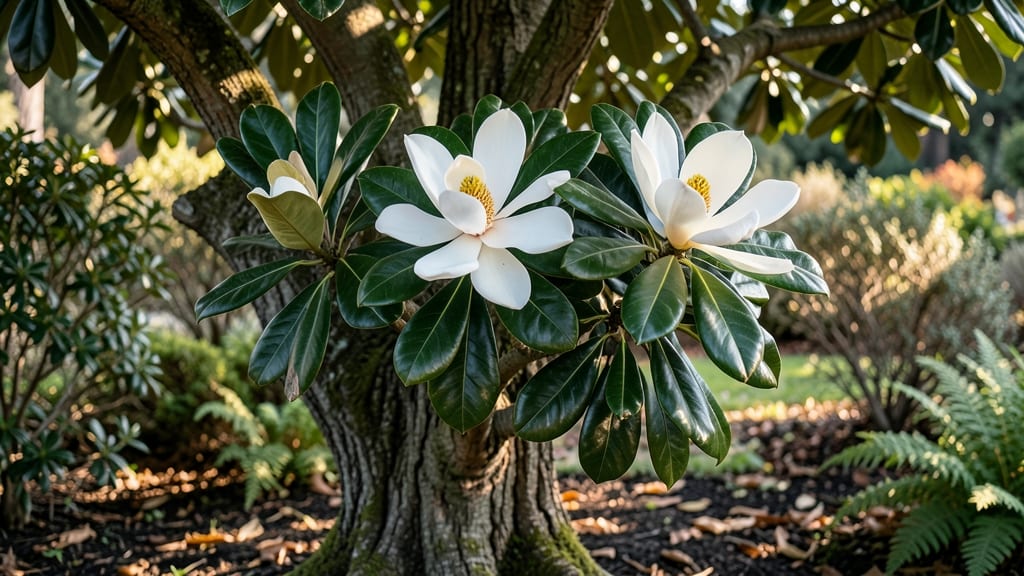
Not all magnolias are created equal. Some, like the dwarf Magnolia stellata, stay compact and perfect for small yards, while others, such as the Southern magnolia (Magnolia grandiflora), grow into imposing giants that need room to stretch their branches.
The key? Knowing exactly how tall each type gets at maturity so you can plan spacing, pruning, and even future landscaping projects.
But here’s the catch: climate, soil, and sunlight can tweak those numbers. A magnolia planted in USDA Zone 6a might grow slower than one in the deep South, while rich, well-draining soil can send roots (and height) soaring.
I’ll break down the exact heights by variety, plus the secrets to controlling growth—so you end up with the perfect magnolia for your space, not a regret.
Ready to pick the right tree? Stick around—I’ll show you how to match your yard’s size to the right magnolia, from dwarf varieties to the grandest specimens, so you get blooms without the headache of overgrowth.
Dwarf
10-20 ft
Container friendly
Semi-Dwarf
20-30 ft
Most popular
Standard
40-80 ft
Full orchard size
Magnolia tree height by variety: dwarf to giant species compared
Magnolia trees are famous for their showstopping blooms and glossy leaves, but their height variations are just as impressive. Some varieties stay compact enough for small gardens, while others become towering landscape anchors.
The key to choosing the right magnolia lies in understanding these species-specific heights—whether you want a dwarf accent plant or a statement tree.
From the tiny 10-footMagnolia 'Black Tulip' to the 80-foot giants like Magnolia grandiflora, the differences are dramatic. Even within popular groups like saucer magnolias or star magnolias, heights can vary by 20+ feet.
Let’s break down the exact mature heights of the most common varieties so you can plan your landscape with confidence.
🌱
Variety
Mature Height (ft)
Spread (ft)
Growth Rate
Best For
Magnolia 'Black Tulip'
10-15 ft
8-12 ft
Slow
Small gardens, containers
Magnolia stellata (Star Magnolia)
15-25 ft
15-20 ft
Moderate
Medium yards, urban landscapes
Magnolia 'Jane'
20-25 ft
15-20 ft
Slow-Moderate
Foundation planting
Magnolia grandiflora (Southern Magnolia)
60-80 ft
30-40 ft
Slow
Large estates, shade trees
Magnolia 'Little Gem'
20-25 ft
8-12 ft
Moderate
Narrow spaces, privacy screens
Magnolia 'Ann' (Saucer Magnolia)
25-35 ft
20-25 ft
Moderate
Specimen trees, lawn centers
Magnolia 'Elizabeth'
15-20 ft
10-15 ft
Slow
Small yards, patios
Magnolia 'Yellow Bird'
12-15 ft
8-10 ft
How to choose Magnolia tree height based on landscape space
Selecting the right magnolia tree height depends entirely on your landscape space. A Southern Magnolia (Magnolia grandiflora) can soar to 80 feet, while a Dwarf Magnolia (Magnolia 'Black Tulip') stays under 10 feet.
For small urban gardens, dwarf varieties are ideal—they fit neatly in flower beds without overpowering your space.
If you have a large backyard, consider semi-dwarf varieties like Magnolia 'Little Gem', which maxes out at 20-25 feet. These provide stunning blooms without requiring the same space as a towering giant. Always measure your available space before planting to avoid future pruning headaches.
Root spread is just as critical as height. Most magnolia trees spread 1.5 to 3 times their height at maturity. A 40-foot tree could need 60 feet of horizontal room! Plant near property lines only if you’re okay with pruning or choose a compact variety.
For container gardening, stick to dwarf or semi-dwarf magnolias in 15-gallon or larger pots. These thrive in containers for 10-15 years with proper care, making them perfect for patios or balconies. Just ensure your pot has drainage holes and use a well-draining potting mix.
Pruning young magnolia trees can help control height, but avoid heavy pruning once established—it stresses the tree and reduces flowering. Instead, focus on structural pruning in late winter or early spring to shape growth while preserving natural form.
Urban gardeners often struggle with space constraints. If your yard is less than 20 feet wide, opt for Magnolia 'Butterflies' or Magnolia 'Jane', both staying under 15 feet tall. These varieties deliver big blooms in small packages, perfect for tight landscapes.
Always check your local climate zone—taller magnolias thrive in USDA Zones 6-10, while dwarf varieties may tolerate cooler zones. Planting the right height for your space ensures years of fragrant blooms without crowding your garden.
🌱 Magnolia Tree Height & Spacing Guide
Variety
Mature Height
Spacing Needs
Best For
Magnolia grandiflora
60-80 ft
60-80 ft from structures
Large estates
Magnolia stellata
15-20 ft
15-20 ft apart
Medium yards
Magnolia 'Little Gem'
20-25 ft
15-20 ft apart
Urban gardens
Magnolia 'Black Tulip'
8-10 ft
8-10 ft apart
Small spaces
Magnolia 'Butterflies'
10-15 ft
10-12 ft apart
Containers/patios
Before planting, sketch your garden layout to visualize how a magnolia’s mature size will fit. Remember, magnolias grow slowly—it can take 10-20 years to reach full height. Planning now saves costly mistakes later.