
Size
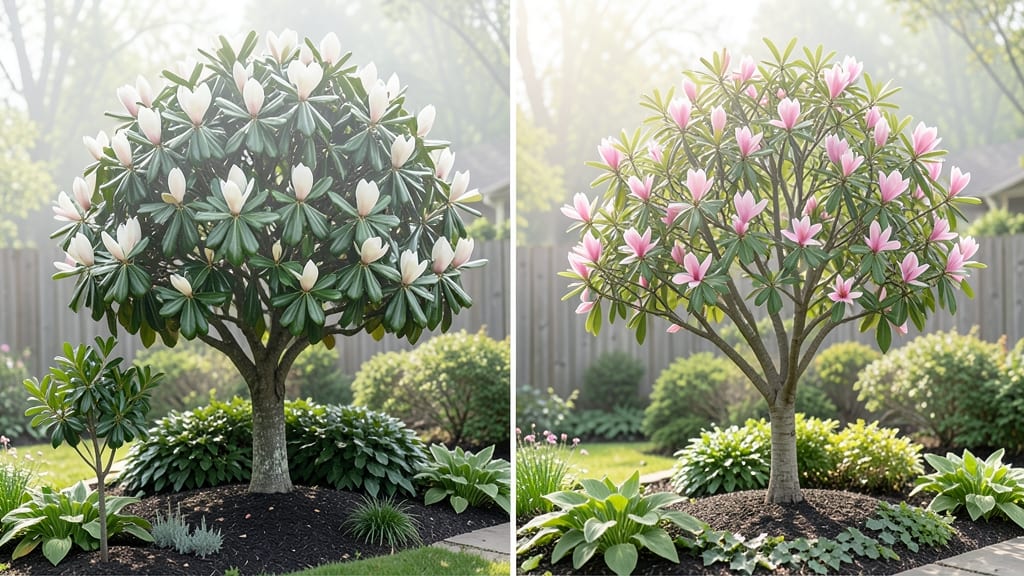
If you're dreaming of a magnolia tree that fits your garden perfectly, the first question you'll ask is "how tall do magnolias grow"—because some varieties stretch toward the sky while others stay cozy and compact.
These stunning trees can range from 8 feet for dwarf types to towering 80 feet for giants like the Southern Magnolia, making the right choice all about your space and vision.
Picture this: a Little Gem magnolia, barely reaching 15 feet, would thrive in a small urban yard, while a Star Magnolia could gracefully climb to 25 feet in a suburban landscape.
The key lies in understanding each species' mature height and growth habits, so you can avoid surprises down the line.
But here's the game-changer: even the tallest magnolias can be managed with smart planting and pruning. Whether you're working with Zone 6a conditions or planning for spring planting, knowing how fast they grow helps you time your decisions.
Let's break down the heights, growth rates, and spacing tips so you can pick the perfect magnolia for your garden.
From dwarf varieties that fit cozy patios to towering giants that make a statement, we'll cover everything you need to know. Ready to find your ideal magnolia match? Let's dive in.


Magnolia height ranges by species: from dwarf varieties to giant trees
Magnolias are nature's grand statement pieces, but their mature height can vary dramatically depending on the species. Some varieties grow tall enough to shade an entire backyard, while others remain manageable for small gardens or urban landscapes.
Choosing the right magnolia for your space starts with understanding these height differences—so let's explore the spectrum from towering giants to compact dwarfs.
If you're working with limited space, dwarf magnolias like 'Little Gem' or 'Black Tulip' are perfect choices, typically reaching just 8-15 feet at maturity. These varieties maintain their smaller stature while still delivering stunning blooms and lush foliage.
For larger properties, you might opt for standard varieties like the Southern Magnolia, which can soar to 60-80 feet—taller than most two-story homes!
Here's a quick comparison to help you visualize the differences before we dive deeper into each variety's characteristics:
The Southern Magnolia is one of the most iconic varieties, known for its glossy evergreen leaves and large, fragrant white flowers. These trees can grow up to 80 feet tall with a spread of 25-40 feet, making them perfect for creating natural privacy screens or focal points in large landscapes.
Their slow to moderate growth rate means they'll take 10-15 years to reach their full height, giving you plenty of time to enjoy their beauty as they grow.
For those with smaller spaces, the Star Magnolia offers a more compact option while still delivering spectacular spring blooms. This variety typically reaches 15-25 feet tall and is one of the first magnolias to flower in early spring.
Its delicate, star-shaped blossoms make it a favorite for ornamental gardens, and its slower growth rate means it's easier to manage over time. This makes it ideal for urban gardens or container planting in mild climates.
If you're looking for a dwarf variety that still packs a punch, consider the 'Little Gem' magnolia. This cultivar was specifically bred to be a smaller version of the Southern Magnolia, reaching only 8-15 feet tall while maintaining the same glorious foliage and flowers.
Its upright growth habit makes it perfect for narrow spaces, and it grows at a moderate pace of about 1 foot per year, reaching maturity in roughly 10-12 years.
Another excellent choice for smaller gardens is the 'Teddy Bear' magnolia, which grows to just 8-10 feet tall but with a much wider spread of 10-12 feet.
What makes this variety truly special is its fast growth rate—it can add up to 2 feet per year in ideal conditions! This makes it one of the quickest-growing magnolias, perfect if you want to enjoy blooms sooner rather than later.
Plus, its dense foliage and vibrant flowers make it a fantastic privacy hedge or foundation plant.
When planning your garden layout, remember that magnolias need adequate space not just for their height but also for their canopy spread. A general rule is to allow at least 10-15 feet of clearance from buildings, sidewalks, and other structures for standard varieties.
For dwarf magnolias, 6-8 feet of clearance is usually sufficient. Always check the specific variety's requirements, as some may have narrower or wider growth habits.
One factor that often surprises new magnolia growers is how growth rates can vary based on environmental conditions. Trees planted in rich, well-draining soil with full sun exposure will generally grow faster than those in less ideal conditions.
However, even in perfect growing conditions, magnolias are known for their steady, predictable growth—unlike some fast-growing trees that can outpace their surroundings quickly.
For gardeners in USDA Zones 6-9, most magnolias thrive, but their growth rates may slow down in colder climates. If you're in a cooler zone, consider
How to control magnolia growth: pruning tips for height management
Magnolias grow at different rates, but even the fastest-growing varieties can quickly outpace your garden plans. The good news? Pruning magnolias is the key to managing their height while keeping them healthy and beautiful.
Unlike many trees, magnolias respond well to pruning when done correctly—just avoid heavy cuts during their active blooming season.
Timing is everything. The best time to prune is late winter or early spring, just before new growth begins. This gives your magnolia time to heal before summer heat stress. For flowering varieties, wait until after blooms fade to avoid removing next year’s buds.
Now, let’s talk tools. You’ll need sharp pruning shears for small branches and a pruning saw for thicker limbs. Always sterilize your tools with rubbing alcohol to prevent disease spread. And here’s a pro tip: Make clean cuts at a 45-degree angle just above a bud or branch collar.
Step-by-Step Pruning Guide
- Step 1: Remove dead, diseased, or crossing branches first. These are easy to spot—they’re brown, brittle, or rubbing against other limbs.
- Step 2: Thin out the canopy by cutting back 1/3 of the oldest branches. This improves airflow and sunlight penetration.
- Step 3: Shape the tree by pruning branches that grow inward or upward. Aim for an open, vase-like shape to maintain natural beauty.
- Step 4: For height control, focus on pruning the topmost branches to encourage bushier growth. Never cut more than 25% of the canopy in one season.
- Step 5: Seal larger cuts (over 1 inch in diameter) with pruning sealant to prevent disease. Smaller cuts can heal on their own.
If you’re dealing with a young magnolia, pruning is all about shaping its future form. For mature trees, avoid heavy pruning—it can stress the plant and reduce flowering. Instead, focus on light maintenance pruning to keep it looking its best without sacrificing growth.
Remember, magnolias grow slowly compared to many trees, so patience is key. With the right pruning techniques, you can enjoy a magnolia that fits your space perfectly while still showcasing its stunning blooms and glossy foliage. Happy pruning!
🌿