
How To
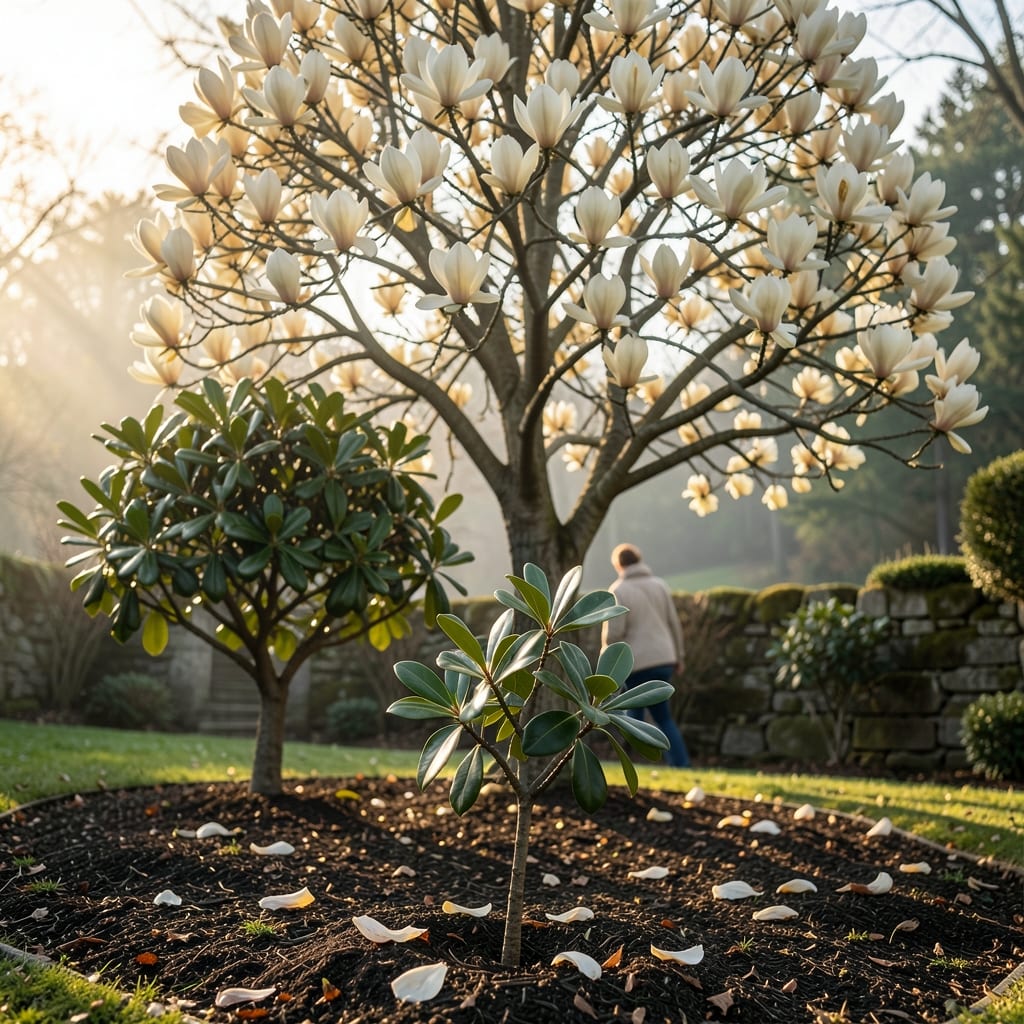
Wondering how tall can a magnolia tree grow in your backyard? The answer might surprise you—these stunning trees can stretch from delicate 10-foot shrubs to towering 120-foot giants, depending on the species and care you provide. Whether you're dreaming of a grand specimen or a compact centerpiece, magnolias offer endless possibilities for every space.
Some varieties, like the Southern magnolia (Magnolia grandiflora), reach heights of 80-100 feet with proper conditions, while others, such as the dwarf 'Little Gem,' stay a manageable 20-25 feet. The key to controlling their growth lies in sunlight, soil, and pruning techniques—all of which we’ll break down to help you choose the perfect fit for your garden.
If you’re working with limited space, don’t worry—there are plenty of slow-growing or naturally compact magnolias that deliver breathtaking blooms without dominating your yard. We’ll explore the best options for small gardens and share expert tips to keep your magnolia tree at your desired height.
Ready to transform your outdoor space with a magnolia? Let’s dive into the details so you can pick the perfect variety and nurture it to thrive—whether it’s a sky-high statement or a cozy corner beauty.


Magnolia tree height by species: from dwarf beauties to towering giants
Magnolias come in a stunning array of sizes, from towering giants that dominate landscapes to compact varieties perfect for small yards. The Southern magnolia (Magnolia grandiflora) is the undisputed champion, often reaching 80-100 feet with a 30-50 foot spread, making it a true statement tree. This evergreen beauty thrives in warm climates (USDA zones 7-10) and grows about 1-2 feet per year when young.
For those craving height without the commitment, the tulip magnolia (Magnolia soulangeana) offers a balanced option, typically maturing between 20-30 feet. Its vibrant spring blooms and adaptability to zones 4-9 make it a favorite for mid-sized yards. Growth rates average 12-24 inches annually, so it reaches maturity in about 10-15 years.
The saucer magnolia (Magnolia × soulangeana) is another crowd-pleaser, with heights ranging from 25-40 feet. Its broad, saucer-shaped flowers and reliable blooming in zones 5-9 make it a top pick for gardeners who want both beauty and manageable size. These trees grow about 1-2 feet per year, reaching their full potential in roughly 15-20 years.
| Variety | Mature Height | Growth Rate | Sun Needs | Hardiness Zones |
|---|---|---|---|---|
| Southern Magnolia (grandiflora) | 80-100 ft | 1-2 ft/year | Full sun to partial shade | 7-10 |
| Tulip Magnolia (soulangeana) | 20-30 ft | 12-24 in/year | Partial sun | 4-9 |
| Saucer Magnolia (× soulangeana) | 25-40 ft | 1-2 ft/year | Full sun to partial shade | 5-9 |
| Little Gem (grandiflora) | 20-25 ft | 12 in/year | Full sun | 7-10 |
| Black Tulip (stellata) | 15-20 ft | 6-12 in/year | Partial shade | 4-8 |
On the smaller end of the spectrum, the 'Little Gem' magnolia is a game-changer for tight spaces. This dwarf Southern magnolia variety tops out at 20-25 feet with a 10-15 foot spread, making it ideal for urban gardens or as a focal point in small yards. It grows about 1 foot per year and thrives in zones 7-10, requiring full sun to bloom its best.
If you love the look of magnolias but need something truly compact, consider 'Black Tulip' (Magnolia stellata), which matures at 15-20 feet. This deciduous beauty is famous for its dark purple buds that open to pure white flowers in early spring. It grows slowly (6-12 inches annually) and adapts well to zones 4-8, making it a versatile choice for cooler climates.
The 'Yellow Bird' magnolia is another standout for small spaces, reaching 15-20 feet with vibrant yellow flowers that appear before the leaves. It grows about 1 foot per year and prefers partial shade, thriving in zones 5-9. This variety is perfect for gardeners who want
Magnolia tree height by species: from dwarf beauties to towering giants
When it comes to magnolia tree height, the possibilities are as vast as the varieties themselves. Some species will dwarf your backyard, while others can become the centerpiece of a park. The Southern magnolia (Magnolia grandiflora) is one of the tallest, reaching 80-100 feet with a spread of 25-40 feet—imagine a tree taller than a 4-story building! Meanwhile, the saucer magnolia (Magnolia × soulangeana) typically grows to 20-30 feet, making it a more manageable option for suburban yards.
The tulip magnolia (Magnolia liliiflora) offers a middle ground, often maturing between 15-25 feet with a slower growth rate. If you're after a fast-growing magnolia, the Evergreen magnolia (Magnolia grandiflora) can add 12-24 inches per year under ideal conditions. However, growth rates vary by climate—warmer zones like USDA Zones 7-10 accelerate height gains compared to cooler regions.
For gardeners with limited space, dwarf varieties like the Little Gem (Magnolia grandiflora 'Little Gem') are game-changers. This compact powerhouse tops out at just 20-25 feet while delivering the same fragrant blooms and glossy leaves. Another standout is the Black Tulip (Magnolia liliiflora 'Nigra'), a 10-15 foot beauty with striking dark purple flowers. Even the Yellow Bird (Magnolia × loebneri 'Yellow Bird') stays under 15 feet, proving you don’t need a sprawling yard for a magnolia’s magic.
| Variety | Mature Height | Growth Rate | Sun Needs | Hardiness Zones |
|---|---|---|---|---|
| Southern Magnolia (M. grandiflora) | 80-100 ft | 12-24 in/year | Full sun to partial shade | 6-10 |
| Saucer Magnolia (M. × soulangeana) | 20-30 ft | 6-12 in/year | Full sun | 4-9 |
| Tulip Magnolia (M. liliiflora) | 15-25 ft | 8-12 in/year | Partial shade to full sun | 5-9 |
| Little Gem (M. grandiflora 'Little Gem') | 20-25 ft | 6-10 in/year | Full sun | 7-10 |
| Black Tulip (M. liliiflora 'Nigra') | 10-15 ft | 4-8 in/year | Partial shade | 5-9 |
Choosing the right magnolia for your space isn’t just about height—it’s also about sunlight exposure. Most magnolias thrive in partial shade to full sun, but varieties like the Little Gem can handle full sun exposure without stress, making them ideal for sunnier climates. In contrast, tulip magnolias often prefer morning sun and afternoon shade, especially in hotter regions like USDA Zone 8.
Soil type plays a crucial role too. Magnolias despise waterlogged roots but love well-draining, acidic soil (pH 5.0-6.0). Amending clay soil with compost or pine bark can mimic their native woodland conditions, encouraging healthier growth and potentially slower height increases. If you’re planting in urban areas with compacted soil, consider a raised bed to improve drainage and root health.
Whether you’re aiming for a statement magnolia or a space-saving shrub, the key is matching the variety to your yard’s size, climate, and sunlight. With the right choice, you’ll enjoy years of fragrant blooms and lush foliage—no matter how tall (or short) you dream. 🌸