
Trees
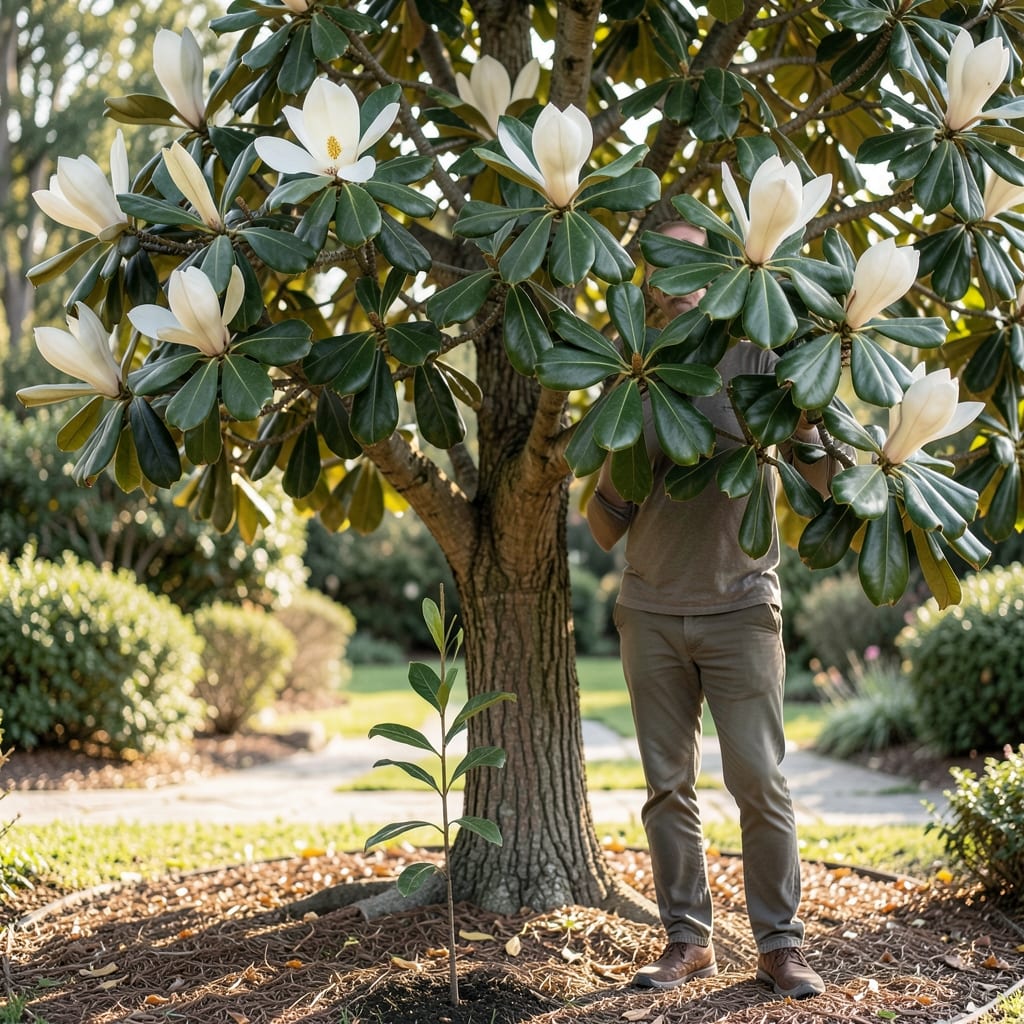
If you’ve ever wondered "how tall can magnolia trees grow", the answer might surprise you—these stately beauties can stretch from delicate dwarf shrubs to towering giants that dwarf even the tallest homes. The Southern Magnolia 🌸, for example, can reach an impressive 60-80 feet, while smaller varieties like the Star Magnolia stay cozy at just 9-15 feet.
Choosing the right magnolia for your space isn’t just about aesthetics—it’s about long-term planning. A 30-foot tree planted too close to your driveway could become a pruning nightmare, while a 15-foot dwarf might get lost in a large yard. The key is matching the species to your landscape’s needs.
What’s even more fascinating is how quickly these trees grow. Some varieties, like the Sweetbay Magnolia, can add 2 feet per year under ideal conditions, while others take their time. Whether you’re dreaming of a shade-providing giant or a low-maintenance shrub, understanding growth rates helps you pick the perfect fit.
Ready to transform your yard? I’ll break down the tallest, shortest, and fastest-growing magnolias—plus tips to keep them healthy and manageable. Let’s get started!


Magnolia tree height by species: from dwarf varieties to towering giants
Magnolias are nature’s grand statement pieces, and their mature heights can vary wildly—from compact shrubs perfect for small gardens to skyscraper-like giants that dominate landscapes. The Southern Magnolia 🌸, for instance, can soar to 60-80 feet, while the Star Magnolia stays humble at 9-15 feet. This diversity means you can find the perfect magnolia whether you have a postage-stamp yard or a sprawling estate.
Understanding these height ranges isn’t just about aesthetics—it’s about long-term planning. A 30-foot tree planted too close to your patio could become a pruning headache, while a 12-foot dwarf might get lost in a large backyard. The key is matching the species to your space’s vertical limitations and growth expectations.
Here’s the breakdown you’ve been waiting for: a comparison of magnolia species by height, including their growth habits, space requirements, and ideal planting scenarios. Whether you’re dreaming of a shade canopy or a low-maintenance shrub, this guide will help you pick the right variety.
| Species | Mature Height | Growth Rate | Best For |
|---|---|---|---|
| Star Magnolia (Magnolia stellata) | 9–15 ft | Slow to moderate | Small gardens, containers |
| Saucer Magnolia (Magnolia × soulangeana) | 15–25 ft | Moderate | Medium yards, focal points |
| Sweetbay Magnolia (Magnolia virginiana) | 15–20 ft | Fast | Wet soils, privacy screens |
| Southern Magnolia (Magnolia grandiflora) | 60–80 ft | Slow | Large estates, shade trees |
| Cucumbertree Magnolia (Magnolia acuminata) | 40–60 ft | Moderate | Woodland gardens, wildlife habitats |
The Star Magnolia is my top pick for small spaces—its 9-15 foot height makes it ideal for urban gardens or as a container plant on patios. It’s also one of the first to bloom in spring, adding early color to your landscape. If you’re after a statement tree with bold foliage, the Southern Magnolia is unmatched, but its 60-80 foot height demands serious space.
For those who love fast growth, the Sweetbay Magnolia is a standout—it can add 2 feet per year in ideal conditions, making it perfect for privacy screens or wetter areas of your yard. Just be prepared for its 15-20 foot mature height
How to choose the right magnolia for your yard based on height and space
Selecting the perfect magnolia for your yard starts with honest measurements of your space. A Southern Magnolia 🌸 at 60-80 feet won’t fit in a 10x10-foot patio garden, but a Star Magnolia at 9-15 feet could thrive there. The trick is balancing your yard dimensions with the tree’s mature height and spread—many magnolias grow wider than they do tall!
For urban gardens or small yards, prioritize dwarf varieties like 'Little Gem' (12-15 feet) or 'Black Tulip' (10-12 feet). These stay compact while still delivering show-stopping blooms. In larger yards, you can afford medium-height options like the Saucer Magnolia (15-25 feet) or Sweetbay Magnolia (15-20 feet), which work beautifully as focal points or privacy screens.
Here’s a quick guide to matching magnolias to your space, including pruning tips to manage height and companion plants that play well together:
Pruning Tip: Light pruning after blooming to maintain shape
Companions: Ferns, hostas, or dwarf azaleas
Pruning Tip: Remove crossing branches in late winter
Companions: Hydrangeas, camellias, or boxwood hedges
Pruning Tip: Structural pruning in early spring
Companions: Rhododendrons, pieris, or ornamental grasses
Don’t overlook soil conditions when choosing your magnolia—some species, like the Sweetbay Magnolia, thrive in wet soils, while others prefer well-draining soil. Amend heavy clay with compost or sand to improve drainage, and always plant in partial shade to full sun for optimal growth. A 3-inch layer of mulch around the base will protect roots and retain moisture.
If you’re worried about a magnolia outgrowing its space, pruning young trees can help direct growth. Focus on removing water sprouts and thinning crowded branches—never prune more than 25% of the canopy at once. For fast-growing varieties like the Sweetbay Magnolia, regular pruning can keep height in check while maintaining a healthy shape.
Pro tip: Plant magnolias 10-15 feet away from structures like houses or fences to allow for future growth. And if you love the idea of a multi-tiered magnolia display, mix heights—place a 15-foot Saucer Magnolia near your patio and a 9-foot Star Magnolia in a container on your deck for layered beauty.