
Size
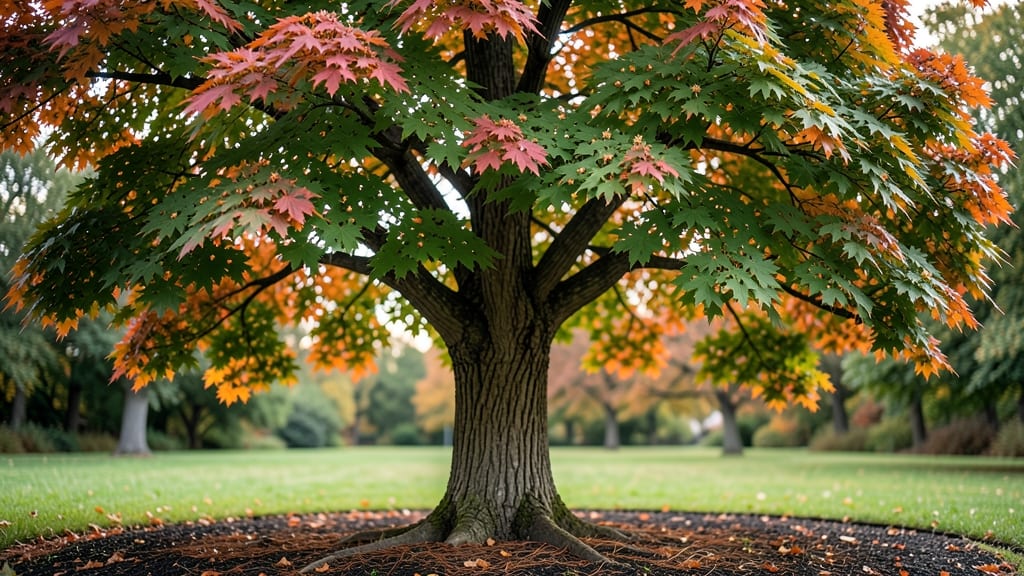
Wondering how tall do maples grow before committing to one for your yard? The answer isn't one-size-fits-all—some maple trees 🌳 stretch toward the sky like skyscrapers, while others stay humble enough for small gardens.
This variation is what makes them so versatile, but it also means your choice could dramatically impact your landscape planning.
If you're dreaming of shade for a future backyard oasis, you might be eyeing towering sugar maples that can reach 75-100 feet at maturity. But for urban spaces or tight yards, dwarf varieties like Japanese maples max out around 15-25 feet, offering stunning color without the space commitment.
The key is matching the species to your available room.
What you'll discover here is how different maple species grow at vastly different rates—and how to use that knowledge to your advantage. We'll break down the height ranges, spacing requirements, and even how pruning can help control their growth.
Whether you're planning a single statement tree or a maple-filled landscape, this guide gives you the practical details you need to make the right choice.
Ready to transform your outdoor space with the perfect maple? Let's dive into the species-specific heights that will help you plant with confidence, ensuring your new tree thrives without crowding out your dreams—or your neighbors' views.


Maple tree height by species: from dwarf varieties to towering giants
When choosing a maple tree for your landscape, height isn’t just about how it fills your space—it’s about how it transforms your yard over decades. Some varieties stay compact enough for suburban backyards, while others become skyscrapers of the forest, reaching heights that dwarf even the tallest houses.
Let’s break down the species-specific heights so you can pick the perfect match for your property.
The Sugar Maple (Acer saccharum), America’s iconic maple, is a classic tall grower. In ideal conditions, it can soar to 75–100 feet with a spread of 40–60 feet, making it a statement piece for large properties.
Its slow-to-moderate growth means it takes 30–50 years to reach full height, but the spectacular fall colors are worth the wait.
For those with smaller spaces, the Japanese Maple (Acer palmatum) offers a stunning alternative. While some varieties like 'Bloodgood' can reach 20–25 feet, dwarf cultivars such as 'Crimson Queen' or 'Autumn Moon' stay under 8 feet tall—ideal for container gardening or accent planting near patios.
These trees grow at a slower rate (about 6–12 inches per year), perfect for gardeners who want instant curb appeal without long-term commitment.
Now, let’s dive into the specifics with a comparison table of the most popular maple species, including their mature heights, growth rates, and ideal planting scenarios. This will help you visualize which variety fits your yard’s scale and your long-term vision.
If you’re eyeing a tall-growing maple like the Sugar Maple or Silver Maple, consider how it will impact nearby structures
How maple tree height affects your landscape: spacing, sunlight, and root competition
Choosing a maple tree based on height alone is just the first step—understanding how that height impacts your landscape is where the real planning begins.
A 75-foot sugar maple planted too close to your house could block sunlight for decades, while a 15-foot Japanese maple might struggle in a shady corner. The key is balancing your tree’s mature size with your yard’s layout, ensuring both the tree and your existing plants thrive.
Let’s start with spacing: most maples need room to breathe, both above and below ground. A standard sugar maple requires at least 30-50 feet of clearance from structures and other trees, while dwarf varieties like 'Bloodgood' Japanese maple can manage comfortably in 10-15 feet of space.
Skimping on space leads to root competition, stunted growth, and even structural damage to your home or driveway over time.
Sunlight is another critical factor. Tall maples like red maples or silver maples cast dense shade, which can smother smaller plants beneath them. If you’re planting near sun-loving perennials or vegetables, consider a semi-dwarf variety or position the maple where its shade will complement, not compete with, your garden’s needs.
For example, a 25-foot 'Autumn Fantasy' maple works beautifully as a focal point while still allowing sunlight to reach nearby flower beds.
🌳 Maple Tree Landscape Impact Summary
| Factor | Standard Varieties | Dwarf Varieties |
|---|---|---|
| Mature Height | 50-120 ft | 15-25 ft |
| Minimum Spacing | 30-50 ft | 10-15 ft |
| Shade Radius | 25-40 ft | 8-12 ft |
| Root Zone | Extensive (avoid driveways) | Moderate (container-friendly) |
| Best For | Large properties, parks | Urban yards, patios |
💡 Pro Tip: Always check local ordinances—some areas restrict tall trees near power lines or sidewalks.
Root competition is often overlooked but can make or break your maple’s success. Large maples develop extensive root systems that spread 2-3 times wider than their canopy. Planting them near foundations, septic systems, or other trees risks damage to both the maple and your property.
For urban gardens, consider container-grown maples like 'Skyway' Japanese maple, which stays under 20 feet and can be moved as needed.
Finally, think about the long-term view. A maple’s height isn’t just about today’s landscape—it’s about how your yard will look in 20 or 30 years.
If you’re unsure, start with a semi-dwarf variety like 'October Glory' red maple, which tops out at 40 feet but still delivers dramatic fall color. Pruning young trees to encourage a strong structure can also help manage future growth, though it won’t drastically alter a species’ mature height.
Ready to map out your perfect spot? Measure twice, plant once—and choose a maple that grows with your vision, not against it. 🌿