
How To
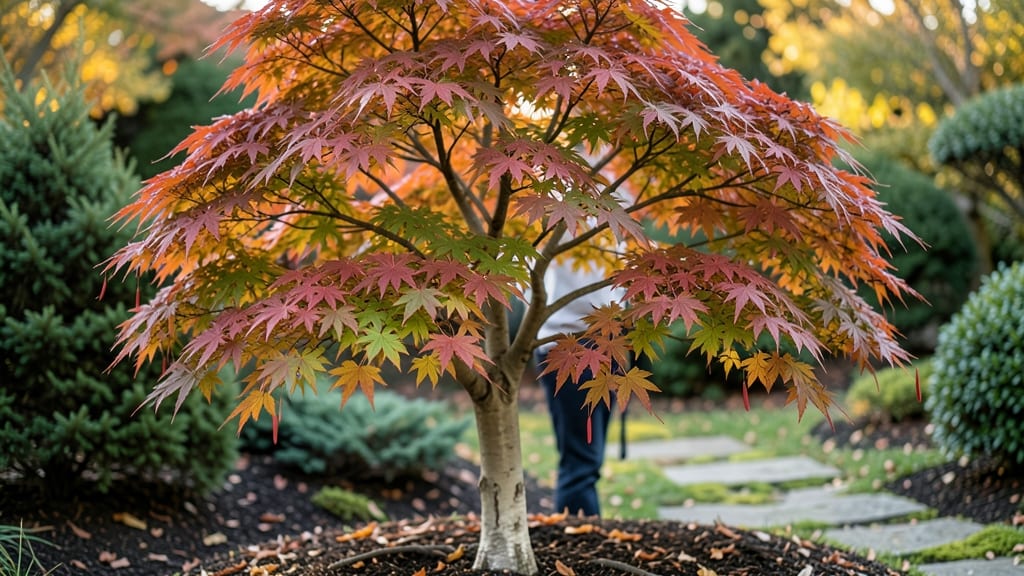
Curious about how tall Japanese Maple trees grow before planting one? The answer might surprise you—these stunning 🌿 trees range from compact shrubs to towering giants, all depending on the variety you choose.
If you’re working with limited space, dwarf varieties like ‘Bloodgood’ stay under 10 feet, while grand specimens like ‘Aconitifolium’ can reach 30 feet or more. That’s the difference between a charming garden accent and a full-blown landscape centerpiece!
But height isn’t the only factor—climate, soil, and pruning play huge roles in shaping your tree’s growth. I’ll break down everything you need to know to pick the perfect size for your yard and keep it thriving for decades.
Ready to transform your outdoor space? Let’s dive into the varieties, care tips, and secrets to controlling growth so you get the exact look you want.


Japanese maple tree height by variety: from dwarf to towering giants
Japanese maples (Acer palmatum and Acer japonicum) are renowned for their stunning foliage and compact growth habits, but their mature heights can vary dramatically depending on the cultivar. Some varieties stay under 6 feet, while others reach towering heights of 30 feet or more.
The key to choosing the right tree for your space is understanding these variety-specific growth patterns.
For example, the 'Bloodgood' Japanese maple typically matures between 15–25 feet, making it ideal for medium-sized yards, while 'Emperor I' stays a manageable 8–12 feet, perfect for small gardens or container growing.
Let’s break down the most popular varieties and their mature heights to help you visualize how they’ll fit into your landscape.
🌿
| Variety | Mature Height (ft) | Growth Rate | Ideal Spacing (ft) |
|---|---|---|---|
| 'Emperor I' | 8–12 | Slow | 6–8 |
| 'Bloodgood' | 15–25 | Moderate | 10–12 |
| 'Crimson Queen' | 6–10 | Slow | 5–7 |
| 'Green Cascade' | 4–6 | Very Slow | 4–5 |
| 'Aconitifolium' | 20–30 | Moderate-Fast | 12–15 |
| 'Shishigashira' | 6–10 | Slow | 5–7 |
| 'Ornata' | 12–20 | Moderate | 8–10 |
If you’re working with limited space, dwarf varieties like 'Green Cascade' or 'Crimson Queen' are excellent choices, often staying under 6 feet at maturity. These varieties are perfect for containers, small gardens, or even as accent plants near patios or walkways.
Their slow growth rate also makes them easier to manage over time.
For larger landscapes, 'Bloodgood' or 'Aconitifolium' will add dramatic height and structure. These varieties thrive when planted with ample space to accommodate their sprawling canopies, which can reach widths of 15–25 feet.
Always consider the mature spread when selecting a location, as some varieties like 'Bloodgood' can become quite wide over time.
Another factor influencing height is whether you’re growing your Japanese maple in the ground or a container. Container-grown trees often stay 20–30% shorter than their in-ground counterparts due to root restriction. However, with proper care—like regular pruning and repotting—you can encourage healthy growth even in limited spaces.
🌳
When planning your landscape, also consider the growth rate of each variety. Some, like 'Green Cascade', grow at a snail’s pace, adding only a few inches per year, while others like 'Aconitifolium' can grow 1–2 feet per year under ideal conditions.
If you want faster results, opt for a moderate-to-fast-growing variety, but be prepared for more maintenance to keep it in check.
Finally, don’t overlook the climate and soil conditions in your area. Japanese maples thrive in USDA Zones 5–8 and prefer well-draining,
Japanese maple tree height by variety: from dwarf to towering giants
Japanese maples (Acer palmatum and Acer japonicum) are famous for their stunning foliage and compact growth habits—but their mature heights can vary dramatically depending on the cultivar.
Some stay small enough for a patio container, while others become majestic landscape focal points. The key? Choosing the right variety for your space.
For example, the 'Bloodgood' cultivar typically reaches 15–25 feet at maturity, making it ideal for medium-sized yards. Meanwhile, the 'Dwarf Purple' variety maxes out at just 8–10 feet, perfect for urban gardens or small courtyards.
Understanding these differences helps you avoid planting a 30-foot giant where a 6-foot shrub would fit better.
Here’s a quick breakdown of popular varieties and their mature heights—plus the spacing they’ll need to thrive without crowding other plants.
| Variety | Mature Height | Ideal Spacing | Growth Rate |
|---|---|---|---|
| 'Bloodgood' | 15–25 ft | 15–20 ft from structures | Moderate (1–2 ft/year) |
| 'Emperor I' | 20–30 ft | 25+ ft from buildings | Slow (6–12 in/year) |
| 'Dwarf Purple' | 8–10 ft | 8–10 ft from borders | Slow (3–6 in/year) |
| 'Shishigashira' | 10–15 ft | 12–15 ft spacing | Moderate (1–2 ft/year) |
| 'Aconitifolium' | 25–35 ft | 30+ ft clearance | Slow (6–12 in/year) |
| 'Orangeola' | 12–18 ft | 12–15 ft spacing | Moderate (1–2 ft/year) |
Notice how growth rates vary even among similar-sized trees? For instance, 'Emperor I' grows slowly but eventually becomes a statement tree, while 'Dwarf Purple' stays petite but requires patience—it takes years to reach its full height.
Always check the spacing recommendations to avoid overcrowding roots or blocking sunlight from nearby plants.
Pro tip: If you’re planting near a house or driveway, opt for varieties like 'Dwarf Purple' or 'Shishigashira' to minimize future pruning needs. For large landscapes, 'Aconitifolium' or 'Emperor I' create dramatic focal points when given room to spread.
One common mistake? Assuming all Japanese maples stay small. Never plant a 25-foot variety in a 10-foot-wide garden—the roots alone can cause foundation issues over time. Measure your space twice before choosing!