
How To
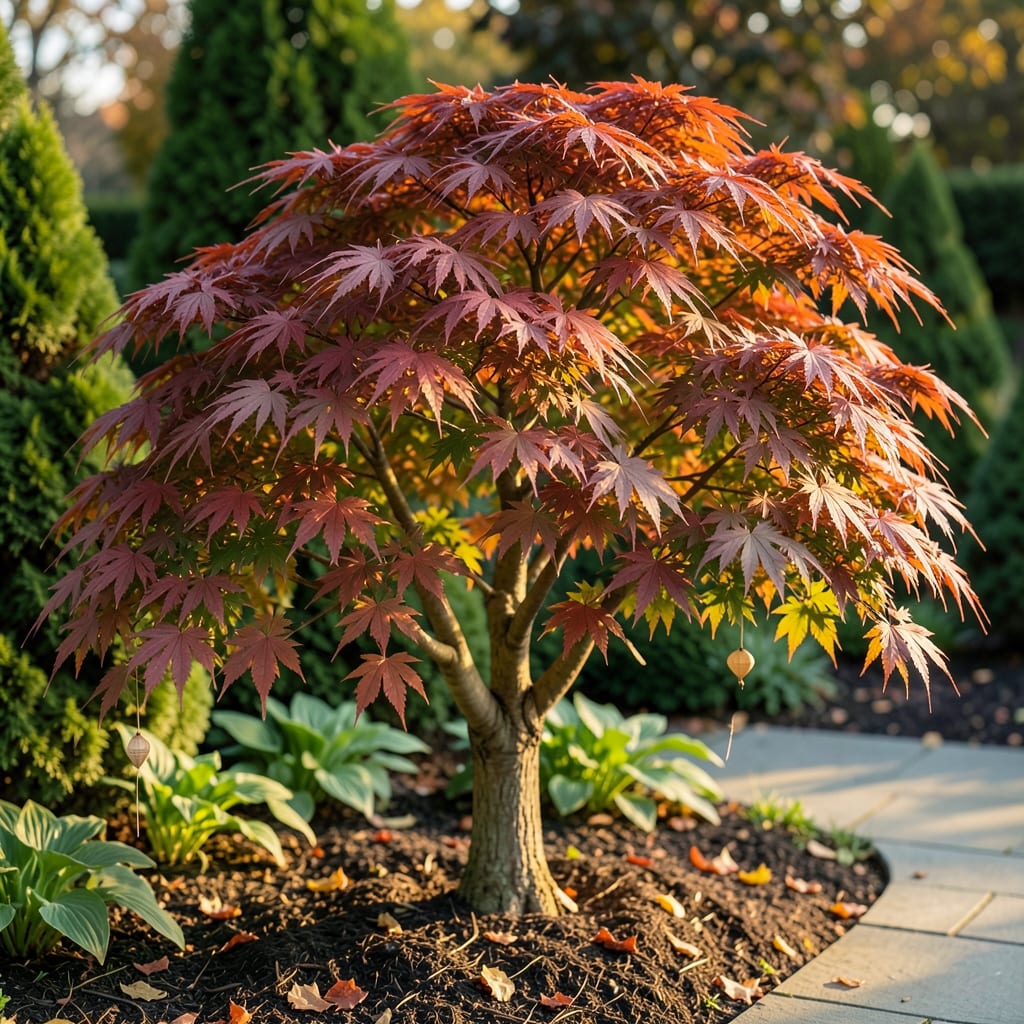
If you're dreaming of a stunning Japanese Maple 🌿 in your yard but wondering how tall can a tree grow, the answer depends more on the variety you choose than you might think. Some stay compact enough for small gardens, while others can tower like a two-story building—so picking the right one makes all the difference.
Most Japanese Maple trees (like the classic Acer palmatum) typically reach 15-25 feet at maturity, but dwarf varieties can stay under 10 feet, making them perfect for patios or containers. Meanwhile, larger types like Acer japonicum can stretch toward 30 feet or more, so spacing and pruning become critical.
What you might not realize is that climate, soil, and even pruning habits can push a tree 5-10 feet taller than its expected range—or keep it neatly trimmed. For example, in USDA Zone 6a, where spring and summer temperatures fluctuate, proper care can mean the difference between a manageable shrub and an unruly giant.
Let’s break down the height ranges by variety, plus the simple tricks to control growth—so you can pick the perfect Japanese Maple for your space without surprises later. Ready to plan your dream tree?


Japanese Maple tree height by variety: dwarf to giant size guide
Choosing a Japanese Maple isn’t just about color or shape—it’s about height. Some varieties stay small enough for a container garden, while others need the space of a backyard oasis. The key is understanding the mature height of each type so you can plan spacing and pruning from day one.
For example, the Bloodgood Japanese Maple typically grows to 20-25 feet, making it a mid-sized tree perfect for medium yards. But if you’re working with limited space, the Dwarf Emblem Maple maxes out at just 6-8 feet, ideal for patios or small gardens. These differences matter when you’re deciding where to plant.
Here’s a quick look at how Japanese Maple varieties compare in height, so you can pick the right fit for your space:
| Variety | Mature Height | Spread | Ideal Spacing | Best For |
|---|---|---|---|---|
| Dwarf Emblem | 6–8 ft | 4–6 ft | 5–6 ft from structures | Containers, patios |
| Shishigashira | 8–12 ft | 6–8 ft | 8–10 ft from fences | Small gardens |
| Bloodgood | 20–25 ft | 15–20 ft | 15–20 ft from buildings | Medium yards |
| Green Cascade | 6–10 ft | 5–8 ft | 6–8 ft from walls | Hanging baskets, slopes |
| Acer japonicum | 25–30+ ft | 20–25 ft | 25+ ft from structures | Large properties |
| Orangeola | 10–15 ft | 8–12 ft | 10–12 ft from fences | Small to medium gardens |
Notice how dwarf varieties like Dwarf Emblem or Green Cascade are perfect for urban gardens or balconies, while larger types like Bloodgood or Acer japonicum need room to stretch their branches. Even within a single variety, height can shift based on growing conditions—something we’ll dive into next.
If you’re planting near a walkway or patio, stick to varieties under 10 feet to avoid overgrowth. For a statement tree in an open yard, the 20-30 foot range might be ideal—but always check your local climate zone, as colder regions can stunt growth slightly.
Pro tip: When in doubt, ask your nursery for the cultivar’s expected height and compare it to your space. A 15-foot tree planted too close to a house can become a pruning nightmare later! 🌿
Now that you’ve got the height ranges down, let’s talk about how to manage growth based on your climate and soil—because even the same variety can grow taller or shorter depending on where you live.
How climate zones and growing conditions affect Japanese Maple height
You’ve picked your Japanese Maple variety and checked the height range—but did you know your climate zone and growing conditions can push that tree 5-10 feet taller (or shorter) than expected? For example, a Bloodgood Maple might stay at 20 feet in Zone 7a, but in Zone 5b, it could max out at 15 feet due to colder winters. Understanding these factors helps you avoid surprises and plan accordingly.
The USDA hardiness zones play a huge role: Trees in warmer zones (like Zone 8-9) often grow faster and taller, while those in colder zones (like Zone 5-6) may grow more slowly. Even within the same zone, microclimates—like a sunny south-facing slope versus a shady north corner—can shift height by 2-3 feet. For instance, Shishigashira might reach 12 feet in full sun but only 8 feet in partial shade.
Here’s how your climate and soil impact height, so you can adjust expectations and care:
| Factor | Effect on Height | Actionable Tip |
|---|---|---|
| USDA Zone 5-6 | Slower growth, often 10-20% shorter | Choose cold-hardy varieties like Bloodgood or Empress Wu. |
| USDA Zone 7-9 | Faster growth, may exceed listed height | Prune annually to control size; space larger varieties farther apart. |
| Full sun (6+ hours) | Taller by 2-5 feet; risk of leaf scorch | Provide afternoon shade or mulch heavily to retain moisture. |
| Partial shade (4-6 hours) | More compact, lush foliage | Ideal for most varieties; avoid deep shade. |
| Well-draining soil | Healthier roots = 10-15% taller growth | Amend clay soil with compost; avoid soggy roots. |
| Poor drainage | Stunted growth, weak structure | Plant on a mound or use raised beds. |
Soil type is another game-changer: Japanese Maples thrive in well-draining, slightly acidic soil (pH 5.0-6.5). Heavy clay or sandy soil can stunt growth by up to 30%, while rich, loamy soil encourages taller, fuller trees. If your yard has compacted soil, consider planting in a raised bed or mixing in organic matter to improve drainage and nutrient uptake.
Even watering habits affect height: Overwatering can lead to weak, leggy growth, while consistent deep watering (1-2 inches per week) supports stronger, more compact trees. In drought-prone areas, mulching with wood chips helps retain moisture and encourages steady growth rather than erratic spikes.
One final tip: If you’re in a warmer climate (like Zone 8-9regular pruning to maintain its shape. In cooler zones, focus on protecting roots with mulch and avoiding late-season fertilizing, which can stress the tree before winter. 🌳
Now that you’ve got the climate context, let’s tackle the easiest ways to control height—whether you want a compact tree or a taller specimen—without sacrificing health or beauty.