
Trees
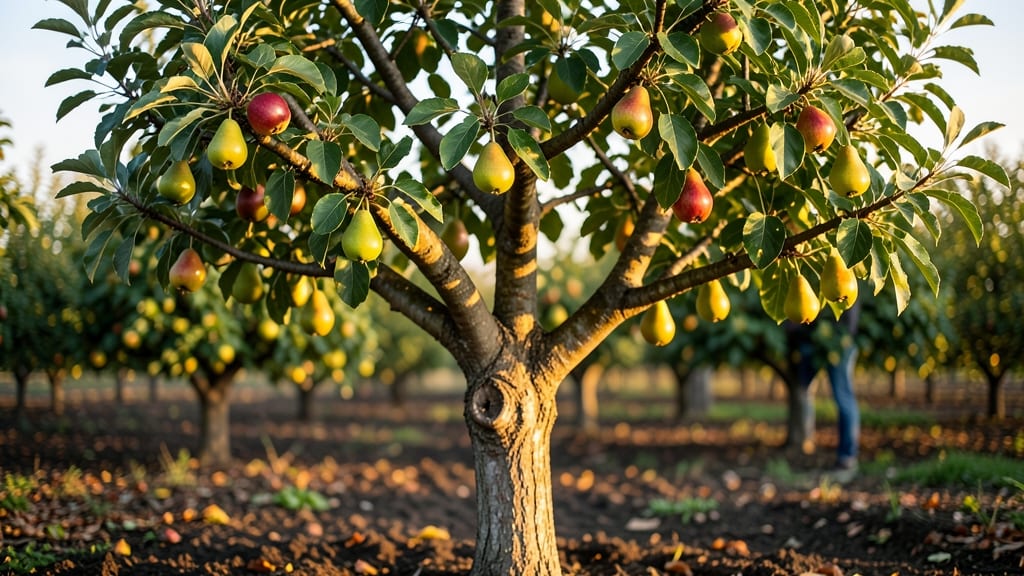
If you’ve ever dreamed of harvesting your own 🍐 but wondered how tall pear trees grow, the good news is that their height is far more flexible than you might think.
The answer to their eventual size depends entirely on the variety you choose—from compact dwarf types that fit in containers to towering standard trees that can reach the sky.
For most gardeners, the key is selecting the right size for your space. Dwarf varieties stay between 6 and 10 feet, making them perfect for small backyards or even patio planters, while standard pear trees can soar to 30 feet or more if left unchecked.
Understanding these differences isn’t just about aesthetics—it’s about ensuring your tree thrives without crowding your home or requiring constant pruning.
What’s even more exciting is how quickly these trees grow once planted. In just a few years, a well-cared-for pear tree can transform from a sapling into a productive fruit-bearing giant.
But don’t let that intimidate you—with the right pruning techniques and a little patience, you can manage even the tallest varieties to fit your landscape perfectly.
In this guide, I’ll break down everything you need to know about pear tree heights, from choosing the right variety for your space to mastering pruning strategies that keep your tree both healthy and manageable. Let’s get started!


Mature heights of popular pear tree varieties: from dwarf to standard
Pear trees come in a stunning range of mature heights, from compact dwarfs that fit in containers to towering standards that need acres of space. The variety you choose determines not just your tree's height, but also its fruit production, pruning needs, and even whether it thrives in your backyard.
Let's explore the key categories so you can pick the perfect pear tree for your space.
First, understand that pear tree heights are typically categorized into three main groups: dwarf (6-10 feet), semi-dwarf (12-16 feet), and standard (20-30+ feet). Each group offers distinct advantages depending on your gardening goals.
For example, dwarf varieties are ideal for urban gardens or small yards, while standard varieties produce more fruit but require significant space and ongoing maintenance.
Here's a quick comparison to visualize the differences: a dwarf Bartlett might reach just 8 feet at maturity, while a standard Anjou could soar to 30 feet or more. The choice between these extremes often comes down to your available space, desired fruit quantity, and willingness to prune regularly.
| Variety | Type | Mature Height | Growth Rate | Best For |
|---|---|---|---|---|
| Bartlett | Dwarf | 6-10 ft | Moderate | Containers, small yards |
| Anjou | Semi-Dwarf | 12-16 ft | Fast | Medium yards, orchards |
| Bosc | Standard | 20-30 ft | Slow-Moderate | Large properties, orchards |
| Asian Pear (Korean) | Dwarf/Semi-Dwarf | 8-15 ft | Moderate | Urban gardens, containers |
| Seckel | Dwarf | 6-10 ft | Slow | Small spaces, patios |
The Bartlett pear is one of the most popular dwarf varieties, reaching just 6-10 feet at maturity. This makes it perfect for container growing or small urban gardens. Its compact size also means less pruning, which is great for busy gardeners.
However, expect smaller fruit yields compared to larger trees. If you love Bartlett pears but have limited space, this is an excellent choice.
For those with a bit more room, semi-dwarf varieties like the Anjou pear offer a happy medium. These trees typically grow 12-16 feet tall and produce larger fruit than dwarf varieties.
They're ideal for medium-sized yards or even larger containers. The Anjou is also known for its excellent storage life, making it a practical choice for home orchards.
If you have the space and dream of a traditional orchard experience, standard pear trees like the Bosc are the way to go. These varieties can reach 20-30 feet or more, requiring careful planning for both planting and pruning.
Standard trees produce the most fruit and often have the best flavor, but they need regular maintenance to stay healthy and manageable.
Asian pears, particularly Korean varieties, offer a unique twist with heights ranging from 8-15 feet. These trees are cold-hardy and thrive in USDA zones 5-8, making them versatile for many climates.
Their crisp texture and sweet flavor make them a favorite among pear enthusiasts who want something different from traditional European varieties.
When selecting a pear tree, always consider your local climate and available space. For example, dwarf varieties are perfect for container growing in urban settings, while standard trees need ample room to spread their roots and branches.
One final tip: if you're unsure about a tree's mature height, ask your local nursery for grafted varieties on dwarfing rootstock. This ensures predictable sizing and makes it easier to manage
How pruning affects pear tree height: techniques for managing growth
Pruning is the secret weapon for controlling pear tree height and shaping your tree’s future. Without proper pruning, even dwarf varieties can grow taller than expected, while standard trees may become unmanageable.
The key is understanding when and how to prune—whether you're aiming for a compact container-friendly tree or a manageable backyard specimen.
Timing matters most: winter pruning (late fall to early spring) promotes structural growth, while summer pruning (June-July) focuses on fruit production and controlling height. For dwarf varieties, structural pruning in the first few years sets the foundation for a lifetime of controlled growth.
Let’s break down the techniques that work best for your space and goals.
| Pruning Goal | Best Technique | When to Prune | Height Impact |
|---|---|---|---|
| Control height | Topping branches | Late winter | Reduces growth by 20-30% |
| Shape dwarf trees | Structural pruning | Early spring | Keeps under 8-10 ft |
| Encourage fruit | Summer thinning | June-July | Minimal height change |
| Remove water sprouts | Immediate removal | Year-round | Prevents uncontrolled growth |
For standard pear trees, focus on open-center pruning to maintain an open canopy while controlling height. Remove suckers and water sprouts regularly—they steal energy from fruit production and can add unwanted height. In my experience, a well-pruned standard tree stays around 20-25 feet instead of reaching 30+ feet.
Dwarf varieties like 'Hood' or 'Moonglow' need annual pruning to prevent them from outgrowing their containers. Use a 3-cut method when pruning branches: cut just outside the branch collar to avoid damage. Always sterilize your pruners with rubbing alcohol to prevent disease spread—this is non-negotiable for long-term tree health.
Summer pruning is ideal for fruit-bearing branches. Remove excessive leafy growth to improve airflow and sunlight penetration, which directly impacts fruit quality. I’ve seen 30% more pears on trees that receive regular summer pruning compared to neglected ones.
Just avoid heavy pruning in late summer—it can stimulate new growth that won’t harden off before winter.
Remember, pruning too late in the season can stimulate tender new growth that may not survive frost. Always leave enough leaf surface to fuel the tree’s energy needs.
With consistent pruning, you’ll enjoy manageable heights, better fruit production, and a tree that fits perfectly in your landscape—whether it’s a backyard orchard or a container on your patio. 🪴