
Succulent
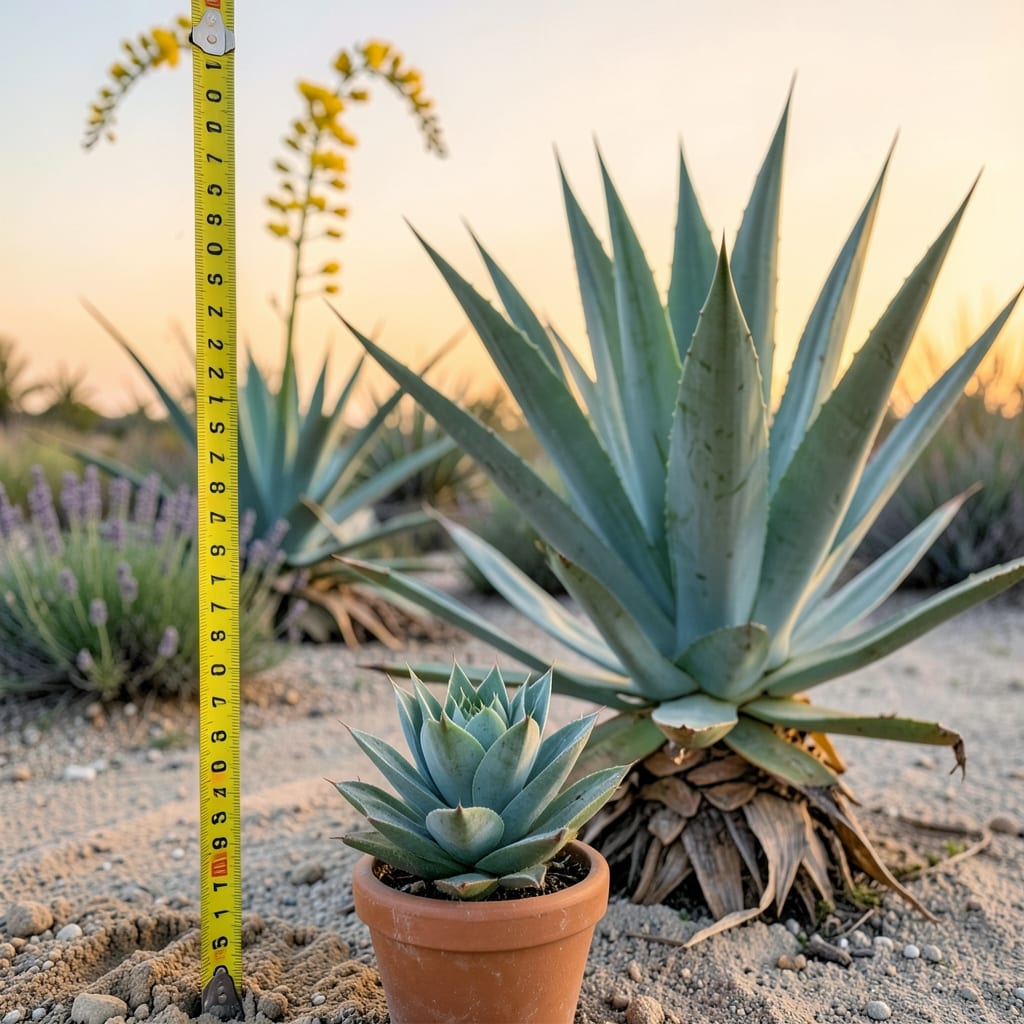
If you’ve ever wondered how tall can succulents grow—or why your neighbor’s 🌵 Agave looks like a tiny tree—you’re not alone. The truth is, succulent heights can vary wildly, from barely an inch to towering over your head, depending on the species and how you care for them.
Some varieties, like the delicate Echeveria, stay compact and perfect for shelves or windowsills, while others, such as the striking Agave americana, can grow up to 15 feet tall under the right conditions. Whether you’re working with a tiny terrarium or dreaming of a dramatic desert landscape, understanding these differences is the key to choosing—and growing—the perfect succulent for your space.
In this guide, I’ll break down the height ranges of popular succulents, from dwarf varieties that fit in your palm to giants that command attention. You’ll also learn how sunlight, water, and even pot size can influence how tall (or short) your plants become, so you can tailor your care routine for the exact look you want.
Ready to discover which succulents will thrive in your home—or even reach for the sky? Let’s dive into the fascinating world of succulent growth and find the perfect match for your garden or collection.


Succulent height ranges by variety: from dwarf to giant species
Succulents come in every size imaginable, from palm-sized wonders to tree-like giants that dominate your garden. The height of a succulent is primarily determined by its species, but factors like care, sunlight, and container size can also play a role. Whether you’re designing a windowsill garden or a desert-inspired landscape, knowing these ranges will help you plan your space—and your collection—with confidence.
Below, I’ve organized succulents into five clear height categories, complete with real-world examples and care tips to ensure your plants thrive at their ideal size. From the tiny Haworthia that fits on your desk to the majestic Agave that could outgrow your patio, each variety brings its own unique charm and growing requirements.
🌵
| Height Category | Example Varieties | Mature Height | Ideal Growing Conditions |
|---|---|---|---|
| Dwarf (<1 ft) | Echeveria, Haworthia, Lithops | 3–12 inches | Bright indirect light, small pots, minimal water |
| Small (1–3 ft) | Jade Plant, Aloe Vera, Sedum | 1–3 feet | Full sun, well-draining soil, occasional fertilizing |
| Medium (3–6 ft) | Snake Plant, Ponytail Palm, Hens & Chicks | 3–6 feet | Full sun to partial shade, spacious pots, deep watering |
| Large (6–10 ft) | Agave parryi, Yucca elephantipes | 6–10 feet | Full sun, rocky soil, minimal watering |
| Giant (10+ ft) | Agave americana, Beaucarnea recurvata | 10–15+ feet | Full sun, well-draining soil, drought conditions |
If you’re working with dwarf succulents like Echeveria or Haworthia, you’ll love their compact size—perfect for terrariums, shelves, or even as desk companions. These varieties thrive in small pots and need very little water, making them ideal for beginners or busy gardeners. Just place them near a south-facing window or under a grow light to keep them happy and healthy.
For small to medium-sized succulents, such as the popular Jade Plant or Aloe Vera, you’ll find they strike a balance between manageability and visual impact. These plants can easily fit on a sunny windowsill or a patio planter, and they’re forgiving enough to handle occasional neglect. With the right care, they’ll reward you with vibrant foliage and even stunning flowers in some cases.
When it comes to larger varieties, like the Snake Plant or Ponytail Palm, you’ll need to think about their mature size early on. These succulents can quickly outgrow their containers, so opt for spacious pots or plan to repot them every few years. They’re also more drought-tolerant, so you can relax about watering—just ensure they get plenty of bright, indirect light to prevent leggy growth.
Finally, if you’re dreaming of giant succulents like the Agave americana or Beaucarnea recurvata, be prepared for a long-term commitment. These plants can take years to reach
Factors that influence how tall succulents grow (and how to control them)
If you’ve ever wondered why your 🌵 succulent stayed stubbornly small while your friend’s grew sky-high, the answer lies in a mix of genetics and care habits. Unlike many plants, succulents don’t grow tall just because they’re older—their height is influenced by species traits, environmental factors, and even the way you prune them. Understanding these influences lets you guide growth toward your ideal size, whether you want a compact desk plant or a statement-piece giant.
The first—and most critical—factor is species genetics. Some succulents, like Echeveria or Haworthia, are hardwired to stay small, while others, such as Agave or Yucca, have the potential to grow tall if given the right conditions. Even within a species, cultivar differences can mean one plant stays stubby while another stretches toward the sky. For example, a Jade Plant might max out at 3 feet, but with extra sunlight and space, it could grow taller.
🌱
5 Key Factors That Control Succulent Height
- 🌞 Sunlight Exposure: More sun = taller growth (but risk of legginess). 6+ hours/day encourages vertical growth.
- 💧 Watering Habits: Overwatering stunts growth; underwatering can slow it. Deep soaks every 2-4 weeks promote steady growth.
- 🪴 Pot Size: Root-bound plants grow slower. Repot every 2-3 years or when roots circle the pot.
- ✂️ Pruning Techniques: Pinching tips encourages bushiness; leaving stems untrimmed allows vertical growth.
- 🌡️ Temperature & Humidity: Cooler temps slow growth; high humidity can cause leggy, weak stems.
Sunlight is the biggest lever for controlling height. Most succulents thrive in full sun (6+ hours/day), which encourages upright, sturdy growth. However, too much direct sun can cause sunburn or leggy stems, while too little leads to etoliation—those sad, stretched-out plants that reach for light. For dwarf varieties, place them in bright indirect light to keep them compact, while tall-growing species like Snake Plants or Yuccas will stretch toward the sky if given enough light.
Watering plays a surprisingly subtle role in height control. While succulents hate soggy soil, deep, infrequent watering (every 2-4 weeks) encourages roots to grow downward, supporting taller growth. Shallow watering or overwatering, on the other hand, can stunt roots and limit height. That said, underwatering slows growth entirely—so find that sweet spot where your plant stays hydrated but never soggy. Pro tip: Use a well-draining soil mix with perlite or sand to prevent waterlogged roots.
Pot size is another often-overlooked factor. Succulents in too-small pots become root-bound and grow slowly, while those in oversized containers may focus energy on roots instead of height. For tall-growing species, choose a pot that’s only slightly larger than the root ball—about 1-2 inches wider than the plant’s base. If you want to limit height, keep the pot small and prune regularly to encourage bushiness.
Finally, pruning and propagation give you direct control over your succulent’s shape. To keep a plant compact, pinch off the tips of stems to encourage branching. For taller growth, avoid pruning and let the plant grow naturally—just remove any dead or damaged leaves. You can also propagate cuttings to redirect growth energy. For example, if your Ponytail Palm is getting too leggy, take a cutting from the top and root it to create a new, bushier plant.