
Plants
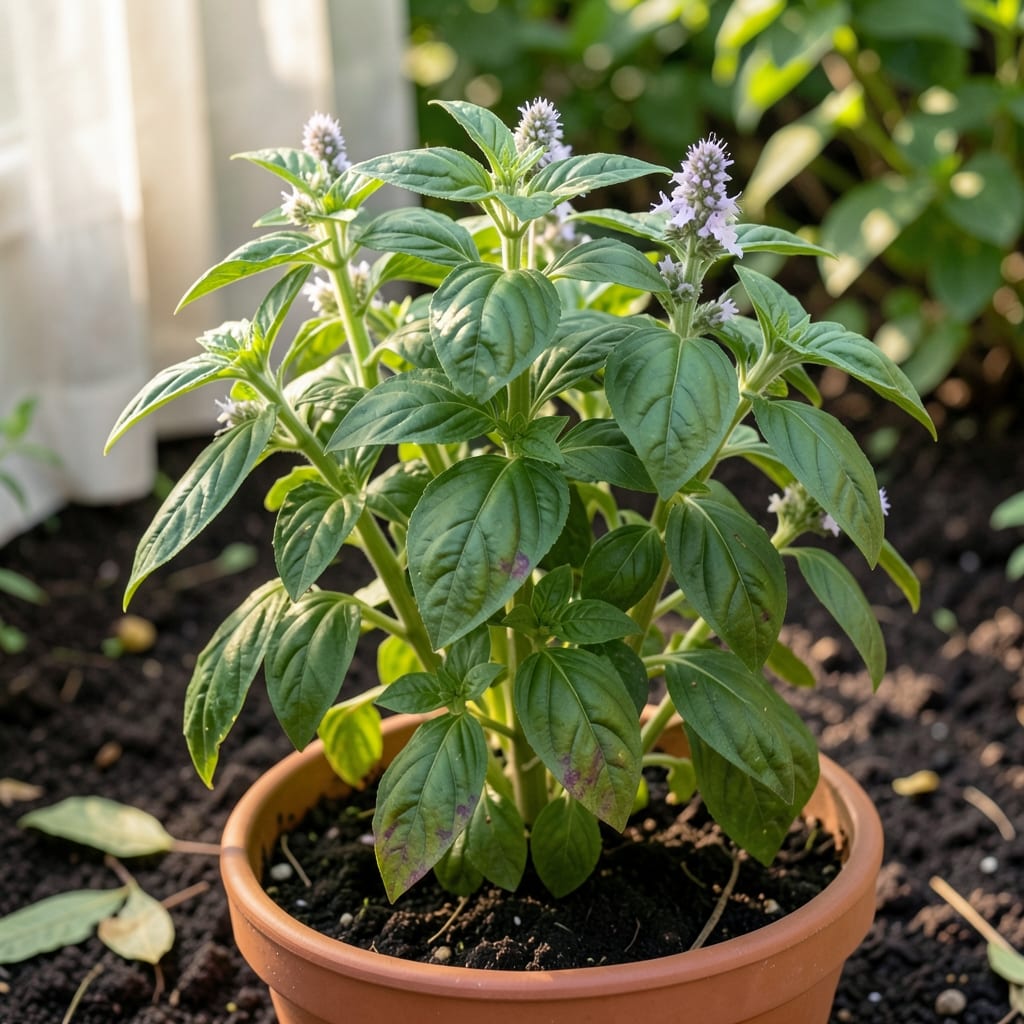
Basil plant height by variety: from compact containers to towering garden giants
Basil plants are famously adaptable, but their mature height can vary dramatically depending on the variety and growing conditions. If you’re dreaming of a towering basil plant for your kitchen garden or prefer a compact container herb, choosing the right type is key. Without proper guidance, even the hardiest basil can become leggy or woody—so let’s break down what to expect from popular varieties.
Most basil plants reach 1 to 2 feet tall under ideal conditions, but some dwarf varieties stay under 12 inches, while sprawling types can stretch toward 3 feet if left unchecked. The difference often comes down to genetics and how you manage growth. For example, Genovese basil, the classic Italian variety, typically grows 18 to 24 inches tall and thrives in full sun, while Thai basil can reach 2 to 3 feet with its distinctive purple stems and licorice-like aroma.
🌿 Basil Varieties by Height & Growing Habits
| Variety | Mature Height | Growth Habit | Best For |
|---|---|---|---|
| Genovese | 18–24" | Upright, bushy | Pesto, containers |
| Thai (Holy) | 24–36" | Sprawling, aromatic | Curries, gardens |
| Dwarf Italian | 6–12" | Compact, slow-growing | Windowsills, pots |
| Spicy Globe | 12–18" | Rounded, dense | Decorative, salads |
| Cinnamon | 18–24" | Upright, fragrant | Tea blends, gardens |
*Height ranges assume standard care with 6+ hours of sun and regular pruning.
Sunlight is the #1 factor influencing basil height. Without 6+ hours of direct sun daily, plants stretch toward light, becoming leggy and weak—a condition called etiolation. In my garden, I’ve seen Genovese basil grow 30% taller when placed in full sun versus partial shade. If you’re growing basil indoors, a south-facing window or grow lights are non-negotiable for compact growth.
Container size also plays a huge role. Basil roots are shallow but spread quickly, so a 5-gallon pot is ideal for most varieties. Smaller containers (like 3-inch pots) restrict root growth, leading to stunted plants. I once tried growing Thai basil in a tiny 1-gallon pot—it barely reached 8 inches and produced sparse leaves. Upgrading to a 7-gallon container doubled its height and leaf production within weeks.
Pruning is another game-changer. If you skip regular pinching (removing the top sets of leaves), basil will focus energy on vertical growth instead of bushiness. I prune my plants every 2–3 weeks by cutting just above a leaf node. This encourages 4–6 side branches per stem, turning a leggy plant into a full, productive bush. Without pruning, even dwarf varieties can grow 50% taller but with fewer leaves.
Soil quality matters too. Basil prefers well-draining, slightly acidic soil (pH 6.0–7.0). Heavy or compacted soil restricts root development, leading to slower growth and shorter stature. Amending garden beds with compost or perlite ensures roots expand freely, supporting taller, healthier plants. I’ve seen Cinnamon basil grow 1 foot taller in amended soil versus unamended garden plots.
Climate also affects height. In USDA Zone 9 or warmer, basil can grow 20–30% taller due to longer growing seasons. In cooler zones (like Zone 5), basil may max out at 12–18 inches unless you extend the season with row covers. Last summer, my Thai basil in Zone 7 hit 3 feet by August—until a late frost cut it back.
If you’re aiming for taller basil, focus on Thai, Lemon, or Purple basil varieties, which naturally grow taller. For compact growth, stick to Dwarf Italian or Spicy Globe and prune aggressively. The key is balance: give your basil the right light, space, and care
How to control basil height: pruning, pinching, and container hacks for bushier growth
If your basil plant is stretching toward the sky like a sunflower, it’s time to take control! Basil height isn’t just about genetics—it’s about pruning techniques and container management. With the right approach, you can turn a leggy, sparse plant into a lush, bushy herb factory. The key is understanding when and how to pinch, prune, and repot for optimal growth.
Most basil varieties, like Genovese or Thai basil, naturally grow 18-24 inches tall if left unchecked. But with regular pruning, you can keep them compact or even encourage them to spread wider. The secret? Pinching off the top sets of leaves when the plant reaches 6-8 inches tall. This triggers lateral growth, producing more branches and leaves.
Visual Guide: Pruning & Pinching Steps
Harvesting leaves correctly is another game-changer. Always snip upper leaves or stem tips just above a leaf node. Avoid stripping entire stems, which stresses the plant. Pro tip: Harvest in the morning when oils are at their peak for maximum flavor!
For taller varieties like Sweet Basil, consider trellising to guide vertical growth. Use a bamboo stake or tomato cage to support stems. This prevents sprawling and makes harvesting easier. Just tie stems gently with soft plant ties every 4-6 inches.
Overwintering basil indoors? Reduce light exposure to 4-6 hours daily and prune aggressively to remove leggy growth. Place near a south-facing window and supplement with a grow light if needed. With these adjustments, your basil can thrive year-round—just shorter and stockier!
Remember, consistency is key. Basil responds quickly to care, so check plants weekly for signs of overgrowth or nutrient deficiencies. A little effort now means bushier plants, better yields, and healthier leaves all season long. Happy pruning! 🌿