
How To
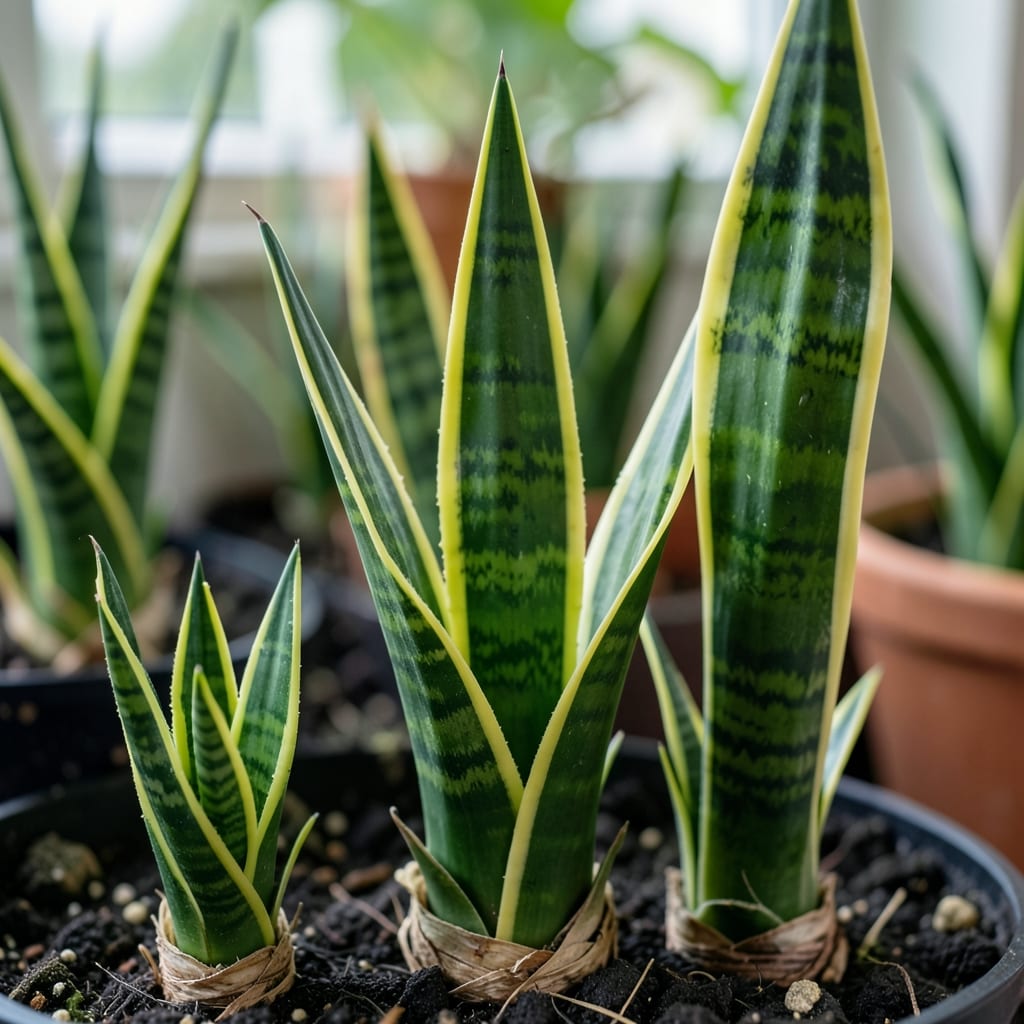
Curious about how tall can snake plant grow? Your 🌱 Snake Plant might surprise you—some varieties stretch toward the ceiling, while others stay compact and manageable. The difference comes down to the specific type you've got and how you care for it, whether you're growing it indoors or outdoors in USDA Zone 6a.
If you're dreaming of a towering jungle statement piece, you might end up with a 6-foot giant, but that takes patience and the right conditions. On the flip side, dwarf varieties keep things tidy at just 1-2 feet, perfect for small spaces. The key to controlling its height lies in understanding its growth habits and giving it what it truly needs.
Don't worry if your snake plant is already reaching for the sky—we'll cover how to manage its growth without sacrificing its health. Whether you're a beginner or a seasoned plant parent, these insights will help you shape your snake plant into the perfect size for your home or garden.
Ready to learn the secrets behind your snake plant's growth potential? Let's dive into what makes these plants grow tall—or stay small—and how you can influence the outcome with simple, effective care tips.


Snake plant height by species: which varieties grow the tallest?
Your snake plant’s final height depends almost entirely on its species. Some varieties stay small and bushy, while others shoot up like indoor trees. If you’re eyeing a 6-foot statement plant, you’ll need one of the taller species—but if space is tight, dwarf varieties are perfect for shelves or desks.
Most snake plants (Sansevieria) fall into three height categories: dwarf (1-2 ft), semi-dwarf (2-3 ft), and standard (4-6 ft). The difference isn’t just about aesthetics; taller varieties often have longer leaves and slower growth rates, while dwarf types multiply faster, creating a fuller look in smaller pots.
Here’s a quick look at the most popular varieties and their mature heights. If you’re shopping for a snake plant, this will help you pick the right size for your space.
| Variety | Mature Height | Leaf Length | Best For |
|---|---|---|---|
| Sansevieria 'Futura Superba' | 1-2 ft | 6-12 in | Small spaces, desks, shelves |
| Sansevieria 'Hahnii' (Bird's Nest) | 1-2 ft | 6-10 in | Hanging pots, terrariums |
| Sansevieria 'Moonshine' | 2-3 ft | 12-18 in | Corner plants, mid-sized rooms |
| Sansevieria 'Laurentii' (Classic) | 4-6 ft | 2-3 ft | Large rooms, statement pieces |
| Sansevieria 'Black Gold' | 3-5 ft | 1.5-2.5 ft | Modern interiors, bold decor |
| Sansevieria 'Twisted Sister' | 3-4 ft | 1.5-2 ft | Textured decor, unique shapes |
The Sansevieria 'Laurentii' is the classic tall variety, often reaching 6 feet with its iconic yellow-edged leaves. If you love drama, this is your plant—but it needs space! On the flip side, 'Hahnii' stays compact, making it ideal for hanging baskets or small tables.
Pro tip: If you’re unsure which variety you have, check the leaf shape and growth pattern. Twisted leaves? You’ve got a 'Twisted Sister'. Short, rosette-like clusters? That’s 'Hahnii'. Knowing your variety helps you predict—and control—its growth trajectory.
Even if you’ve already got a snake plant, don’t worry if it’s outgrowing its space. In the next section, we’ll cover 5 key factors that influence height, including how to prune or repot to keep it at your desired size. Some varieties grow faster than others, but with the right care, you can guide their growth in any direction.
🌱
5 Key factors that control snake plant growth height
Your snake plant’s height potential isn’t set in stone—it’s shaped by five key factors you control daily. Whether your plant stays at 2 feet or shoots up to 6 feet, these elements determine its growth trajectory. Let’s break down how each one influences your snake plant’s size and how you can adjust them to keep it at your desired height.
First, light exposure plays a massive role. Snake plants grown in bright, indirect light tend to grow taller and faster than those in low-light conditions. If your plant is stretching toward a window, it’s begging for more light—but too much direct sun can scorch its leaves. Balance is key: place it near a north-facing window for ideal growth without risking damage.
🌱
-
1
Light Exposure
Bright indirect light = taller growth; low light = slower, bushier growth. -
2
Pot Size
Root-bound plants grow taller; upgrade pots every 2-3 years to control height. -
3
Pruning Habits
Regular trimming encourages bushier growth and prevents leggy stems. -
4
Watering Schedule
Overwatering = taller, weaker stems; underwatering = slower growth. -
5
Temperature
Warmer temps = faster growth; cooler temps = slower, compact growth.
The pot size you choose directly impacts your snake plant’s height. If your plant is root-bound, it will grow taller as it stretches toward light. To keep it compact, repot every 2-3 years into a slightly larger container. This encourages horizontal growth instead of vertical stretching. Pro tip: Use a pot that’s only 1-2 inches wider than the root ball to maintain control over its size.
Next, pruning is your secret weapon for managing height. Regularly trimming overgrown leaves at the base encourages your snake plant to produce new shoots, creating a fuller, bushier appearance. This not only keeps your plant from towering over your furniture but also promotes healthier growth. We’ll dive deeper into safe pruning techniques in the next section, so stay tuned!
Finally, watering habits and temperature work together to control growth speed. Snake plants grow faster in warmer environments (70-90°F) but slow down in cooler temps. If you notice your plant growing too quickly, move it to a cooler spot or reduce watering slightly. Conversely, if growth stalls, a warmer location and consistent watering can kickstart it.
🪴