
Light Requirements
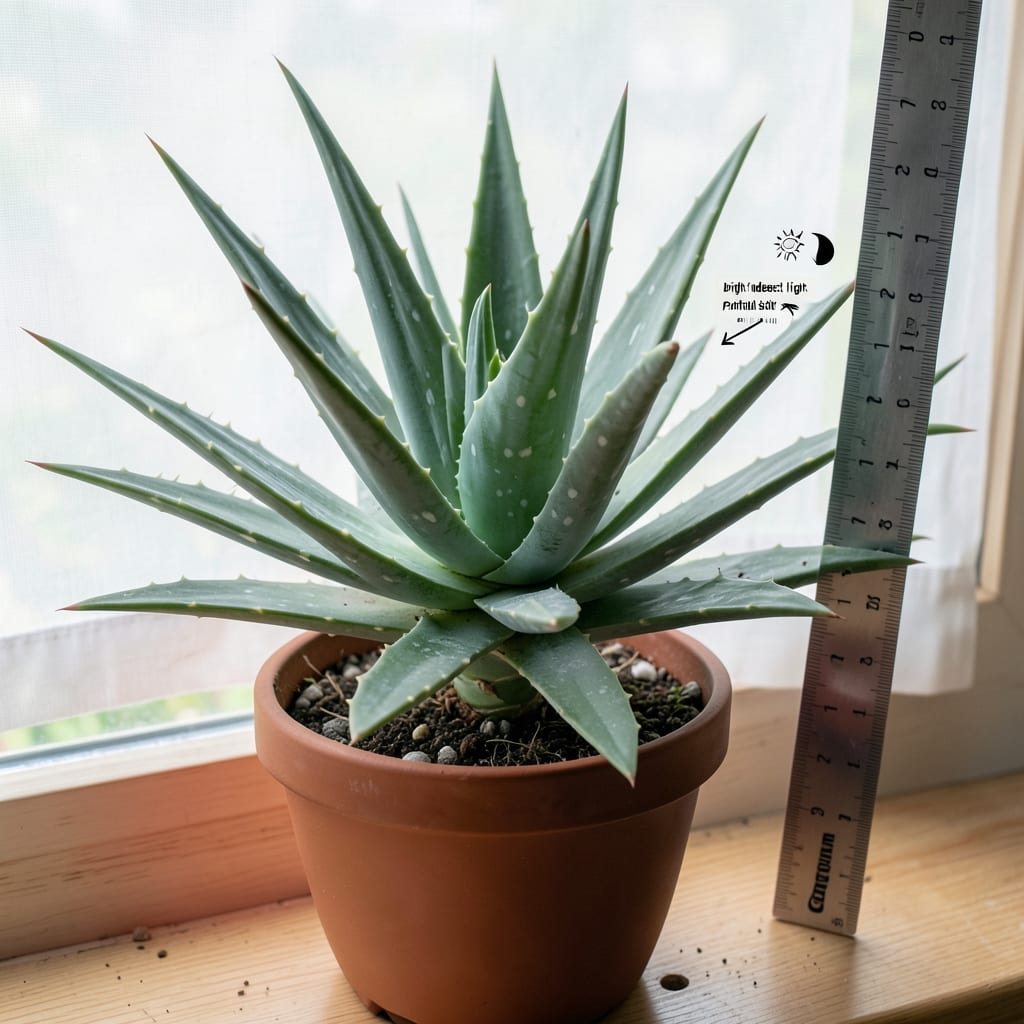
Optimal light requirements for aloe vera: bright indirect sunlight explained
Aloe vera plants thrive in bright indirect sunlight, but they can also handle direct morning sun for 6-8 hours daily. This succulent is native to arid climates, so it craves intense light to maintain its thick, vibrant leaves. Too little light causes stretching, while too much direct afternoon sun risks leaf burn. Let’s break down the perfect balance for your plant’s location—indoors or outdoors.
Outdoor aloe vera plants need full sun exposure (6+ hours daily) but should avoid intense afternoon heat (12 PM–4 PM), especially in hot climates like USDA Zone 9 or 10. Instead, place them in eastern or western-facing spots where they get morning sun and gentle afternoon shade. If you’re in a cooler zone (like Zone 6-8), they can handle more direct sun year-round.
Indoor aloe vera plants require bright indirect light, ideally near a south-facing window. If your home has limited natural light, supplement with grow lights (12-14 hours/day) to mimic sunlight. A common mistake is placing aloe vera in low-light rooms, like north-facing windows or behind curtains, which causes leggy growth and weak stems.
🌱
| Light Condition | Daily Duration | Best For | Signs of Stress |
|---|---|---|---|
| Bright Indirect Sunlight | 6-8 hours | Indoor plants, east/west windows | Leaves stretch, pale color |
| Direct Morning Sun | 4-6 hours | Outdoor pots, cooler climates | Brown leaf tips, crispy edges |
| Full Sun (Afternoon Shade) | 6-8 hours (morning only) | Hot climates, desert-like zones | Sunburn (white/yellow patches) |
| Low Light (North Window) | <2 hours | Avoid entirely | Leggy stems, weak growth |
The light spectrum matters too—aloe vera needs blue and red light wavelengths for photosynthesis. Artificial grow lights should mimic this spectrum, especially in winter when daylight is shorter. For indoor plants, rotate the pot quarter-turn weekly to ensure even light exposure and prevent one-sided growth.
Seasonal adjustments are key: In summer, move outdoor aloe vera to partial shade (30-50% shade cloth) to protect leaves from scorching temperatures above 90°F. In winter, indoor plants may need supplemental light if days are short. A simple trick is to place your aloe vera on a sunny windowsill or under a 15W LED grow bulb for 6 hours daily.
Pro tip: Test your plant’s light tolerance by observing its leaves. If they’re thick and upright, you’ve nailed the balance. If they’re stretching or turning yellow, it’s time to adjust its spot. Remember, aloe vera is resilient—small tweaks can make a big difference in its health and appearance.
🌿
Optimal light requirements for aloe vera: bright indirect sunlight explained
Aloe vera thrives in bright indirect sunlight, but it’s not as simple as just placing it near a window. This succulent needs 6-8 hours of sunlight daily to maintain its signature thick, vibrant leaves. Too little light causes leggy growth, while too much can scorch the delicate leaf edges. The key is finding that sweet spot where your plant gets plenty of light without direct midday sunburn.
Outdoors, aloe vera loves full sun conditions in warm climates (USDA zones 8-11), but in cooler regions, it’s better to provide morning sun and afternoon shade. Indoors, a south-facing window is ideal, but east or west-facing windows can work too—just rotate the pot every few weeks for even growth. Avoid north-facing windows unless you supplement with grow lights.
🌱 Aloe Vera Light Requirements Summary
| Light Type | Ideal Duration | Best For | Signs of Stress |
|---|---|---|---|
| Bright Indirect | 6-8 hours | Indoors (south window) | Leggy stems, pale leaves |
| Full Sun | 8+ hours | Outdoors (warm climates) | Brown patches, crispy edges |
| Low Light | <4 hours | North windows, basements | Stretched leaves, weak growth |
Seasonal adjustments are crucial. In summer, if your aloe vera starts showing reddish-brown patches, it’s getting too much direct sun—move it to a shadier spot or use a sheer curtain to filter the light. In winter, when natural light is weaker, supplement with a grow light for 12-14 hours daily to maintain its health. Even a few hours of extra light can prevent the plant from becoming leggy and weak.
Pro tip: If you’re unsure about your window’s light intensity, do the shadow test. Place a small object near your plant and check its shadow at noon. If the shadow is sharp and dark, the light is too intense. If it’s soft and fuzzy, your aloe vera will thrive there. This simple trick saves you from guessing—and potential sunburned leaves!
For container growers, pot color matters too. Dark-colored pots absorb more heat and can scorch roots, while light-colored pots reflect excess heat. If your aloe vera is in a dark pot, consider moving it to a slightly shadier spot during peak afternoon sun. The right pot and light balance will keep your plant happy and healthy year-round.
Remember, aloe vera is a sun lover, but like us, it needs the right balance. Too much sun is as harmful as too little—think of it as a goldilocks zone for your plant’s light needs. With these tips, you’ll have a thriving aloe vera that’s perfect for healing burns or just adding a touch of green to your space. 🌿