
Size
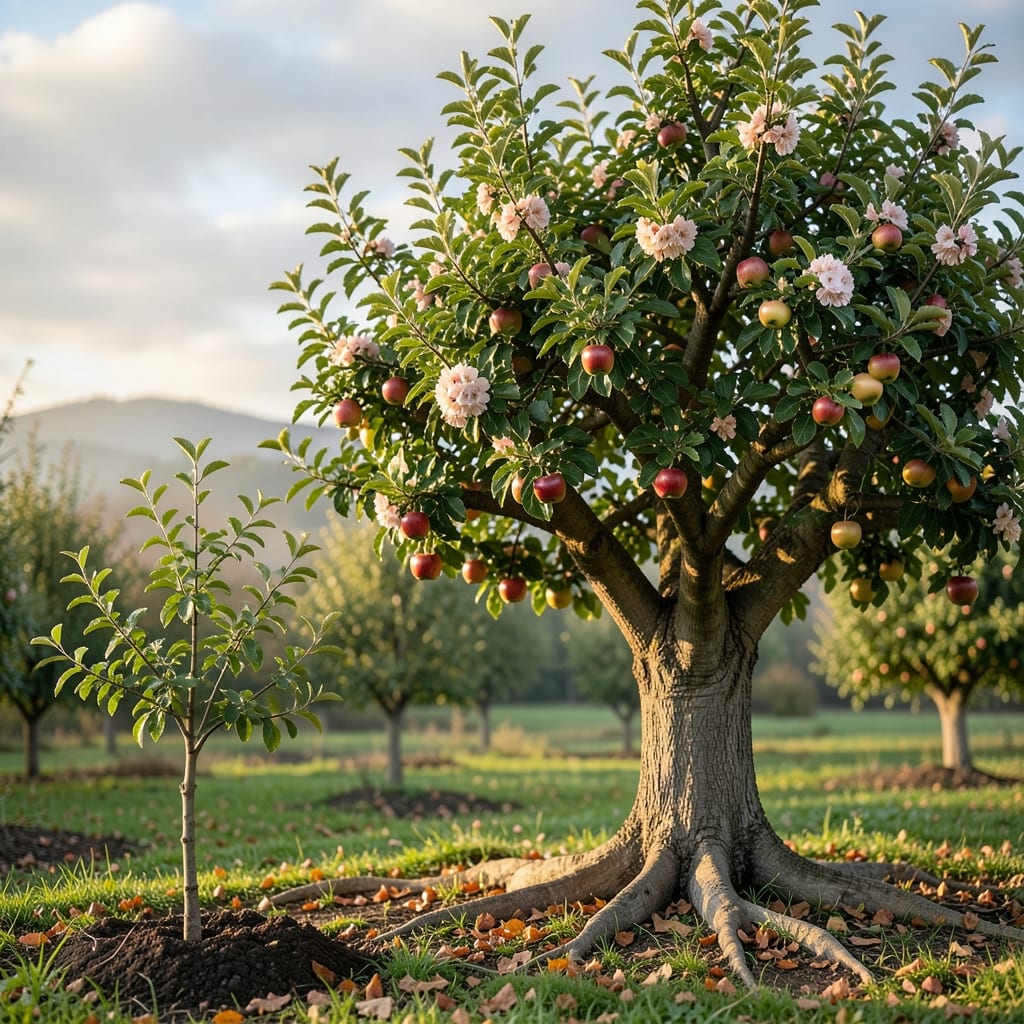
If you've ever dreamed of picking fresh apples straight from your backyard, you might be wondering just how tall can apple trees grow—because some varieties reach heights that could make your two-story house look like a dollhouse! The truth is, these 🍎 powerhouses come in all shapes and sizes, from compact dwarf trees to towering giants that need a ladder just to admire their blossoms.
But here's the game-changer: the height of your apple tree isn't just about genetics—it's also about the rootstock you choose, how you prune it, and even where you plant it. Whether you're working with 6-foot dwarf varieties or letting a standard tree grow its natural 20+ feet, understanding these factors will help you design the perfect orchard (or just keep your prized tree from shading your entire patio).
Let's break down the numbers so you can plan with confidence. From the space-saving dwarfs** that fit neatly in containers to the majestic standard trees that dominate the landscape, we'll cover everything you need to know. Ready to discover which size works best for your space and goals?
You'll also learn how to manage growth naturally—because even the tallest trees can be trained to stay at a height that works for you. Whether you're a first-time gardener or a seasoned orchard keeper, these insights will help you grow apples without the growing pains.


Apple tree height limits by variety: dwarf to standard sizes explained
Apple trees can reach heights that range from 6 feet to over 25 feet, depending on their variety and rootstock. The rootstock you choose determines how tall your tree will grow, making it the most critical factor in controlling size. Whether you have a small urban yard or a spacious orchard, selecting the right variety ensures your tree thrives without overwhelming your space.
Understanding these height categories helps you plan for spacing, pruning, and maintenance. Dwarf varieties stay compact, ideal for containers or tight spaces, while standard trees dominate landscapes. Let’s explore the mature heights and ideal spacing for each category to help you make the best choice for your garden.
📌 Key Takeaway: The right rootstock can reduce a 20-foot tree to just 6 feet—without sacrificing fruit quality!
| Variety Type | Mature Height | Common Rootstocks | Ideal Spacing | Best For |
|---|---|---|---|---|
| Dwarf | 6–12 ft | M.9, M.26, B.9 | 8–12 ft apart | Containers, small yards, urban gardens |
| Semi-Dwarf | 12–16 ft | MM.106, MM.111, B.118 | 15–20 ft apart | Backyards, small orchards |
| Standard | 15–25 ft | Seedling, MM.104 | 25–30 ft apart | Large properties, traditional orchards |
| Giant (Uncommon) | 30+ ft | Seedling (rare) | 50+ ft apart | Specialty landscapes, historical trees |
For example, the ‘Honeycrisp’ apple tree on M.9 rootstock stays under 10 feet, while the same variety on seedling rootstock can soar to 20 feet. This flexibility lets you grow commercial-quality fruit in even the smallest spaces!
Popular dwarf varieties like ‘Red Delicious’ or ‘Fuji’ are perfect for container gardening or rooftop orchards. Meanwhile, semi-dwarf trees like ‘Gala’ or ‘Golden Delicious’ strike a balance between manageable size and high yields, making them ideal for family backyards.
If you’re dreaming of a traditional orchard feel, standard varieties like ‘Granny Smith’ or ‘Northern Spy’ deliver that iconic, towering look. Just be prepared for regular pruning and larger spacing to accommodate their 20–25-foot mature height.
Pro tip: Always check the rootstock compatibility with your chosen apple variety. Some combinations thrive, while others may struggle with disease resistance or fruit quality. Nurseries often provide this info—ask before you buy!
Spacing is just as critical as height. Crowded trees compete for sunlight, nutrients, and air circulation, leading to poor fruit production and disease risks. Follow the spacing guidelines above to ensure your trees grow strong and healthy for decades.
For urban gardeners, consider espalier training to grow dwarf trees along fences or walls. This technique keeps the tree flat against a structure, saving space while still producing abundant fruit. It’s a game-changer for small yards!
🌱 Whether you’re planting a 6-foot dwarf or a 25-foot standard, understanding these height limits helps you create a thriving orchard tailored to your space and goals.
Apple tree height limits by variety: dwarf to standard sizes explained
Apple trees aren’t one-size-fits-all—some stay compact enough for a backyard, while others reach skyscraper heights. The rootstock (the underground part of the tree) determines 90% of the final height. For example, a dwarf apple tree on M.9 rootstock maxes out at 6-12 feet, while a standard tree on seedling rootstock can tower 20-25 feet or taller.
Choosing the right variety isn’t just about space—it’s also about fruit production and ease of harvesting. Dwarf varieties like 'Red Delicious' or 'Fuji' are perfect for containers or small gardens, while semi-dwarf varieties like 'Gala' strike a balance at 12-16 feet. Meanwhile, standard varieties like 'Granny Smith' or 'Northern Spy' demand more room but yield larger harvests.
| Variety Type | Mature Height | Growth Rate (Annual) | Ideal Spacing |
|---|---|---|---|
| Dwarf (M.9, B.9) | 6–12 ft | 1–2 ft | 8–12 ft apart |
| Semi-Dwarf (MM.106, MM.111) | 12–16 ft | 2–3 ft | 15–20 ft apart |
| Standard (Seedling) | 15–25+ ft | 3–5 ft | 25–30 ft apart |
| Giant (Uncommon) | 30–40+ ft | 4–6 ft | 40+ ft apart |
If you’re dreaming of a backyard orchard, dwarf or semi-dwarf varieties are your best bet—they fruit faster and require less maintenance. For example, a 'Honeycrisp' on a semi-dwarf rootstock will bear fruit in 3–5 years compared to 7–10 years for a standard tree. Plus, their manageable height makes harvesting and pruning a breeze, even for beginners.
Pro tip: Always check the rootstock compatibility with your climate. Some dwarf rootstocks, like M.9, struggle in colder USDA zones (below 5), while others, like MM.111, thrive in harsh winters. Pairing the right rootstock with your local conditions ensures your tree grows to its full potential height without stress.
For urban gardeners, columnar apple trees (like 'Columnar Red Delicious') are a game-changer—they grow only 8–12 feet tall but stay narrow (just 2–3 feet wide), making them perfect for small yards or even large containers. These varieties produce fruit along their entire trunk, so you’ll get a harvest without the ladder!
Remember, even the tallest apple trees start small. A standard apple tree might only reach 3–5 feet in its first year, but with proper care, it can double in height annually. Plan ahead by choosing a variety that fits your space and pruning strategy—because even a 25-foot giant can be kept in check with the right techniques.