
Trees
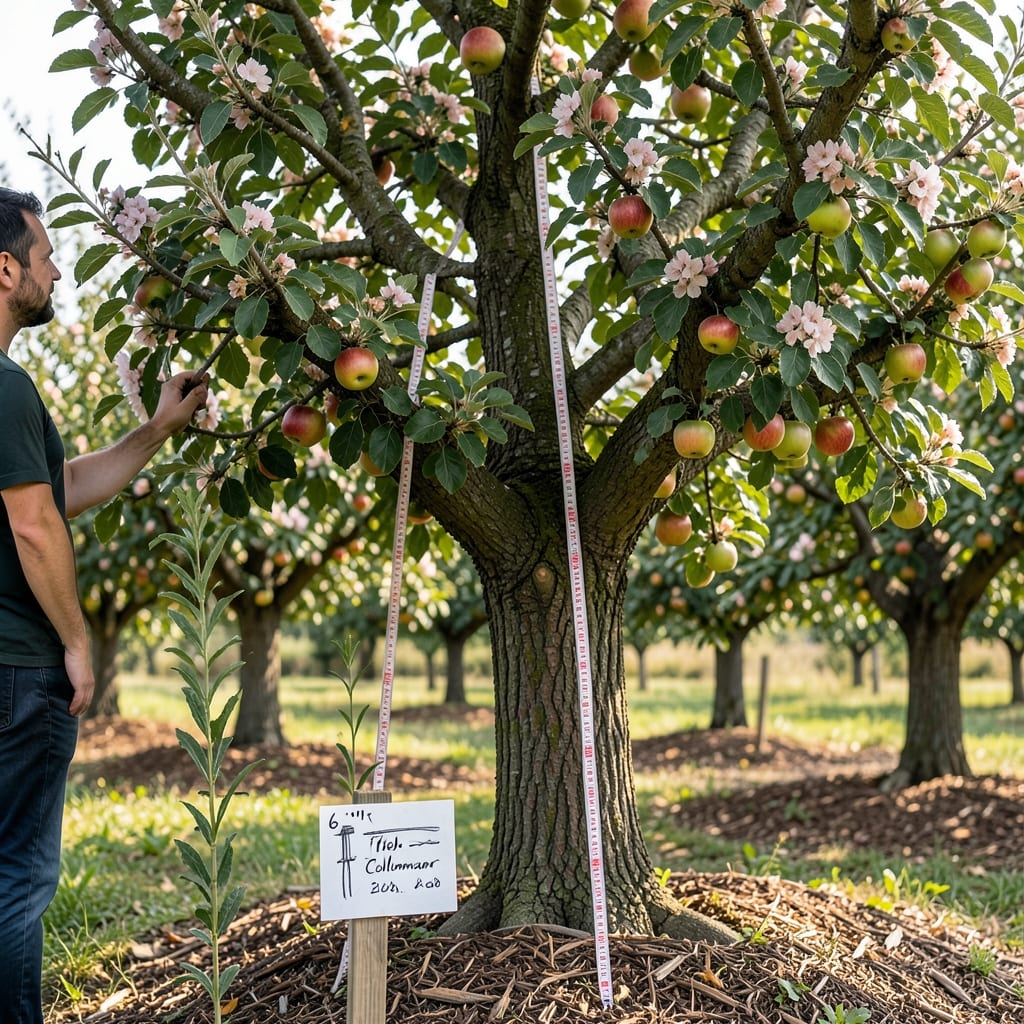
Curious about how tall your 🍎 apple tree could grow? The answer depends more on the variety you choose than you might think—some stay small enough for city balconies, while others reach the height of a two-story building. Whether you're dreaming of a backyard orchard or a single tree in a tight space, understanding these differences is the first step to making the right choice.
Apple trees come in three main size categories, each with distinct growth patterns and space requirements. Dwarf varieties top out around 8-12 feet, making them perfect for containers or small gardens, while standard trees can soar to 18-25 feet or more. The key to getting the right fit for your space lies in knowing which type aligns with your yard's layout and your long-term care goals.
But size isn't the only factor—soil quality, pruning habits, and even your local climate play a role in how tall your tree will ultimately grow. With the right care, you can influence its height and ensure it thrives for decades. Let's break down what you need to know to pick the perfect apple tree for your garden.
From choosing between dwarf and standard varieties to learning how to manage growth over time, this guide will help you make an informed decision. Whether you're a first-time gardener or a seasoned grower, understanding these basics will set you up for success—and a bountiful harvest.

Apple tree height ranges by variety: dwarf to standard sizes explained
Apple trees aren't one-size-fits-all when it comes to height. The variety you choose determines whether your tree will stay compact at 8 feet or tower to 25 feet or more. Understanding these size classifications helps you match the tree to your space, whether you have a spacious backyard or a small urban patio. Each category offers unique benefits for fruit production and maintenance.
Dwarf varieties are the smallest, reaching 8-12 feet at maturity, making them ideal for containers or tight spaces. Semi-dwarf trees grow to 12-16 feet, striking a balance between manageable size and higher fruit yields. Standard trees reach 18-25 feet, while full-size varieties can exceed 30 feet—perfect for large orchards but requiring significant space and care.
Your choice of variety directly impacts not just height but also fruit quality, harvest ease, and long-term care requirements. For example, dwarf varieties like 'Columnar' or 'Patio' produce fruit within arm's reach, while standard varieties like 'Granny Smith' or 'Fuji' need ladders for harvesting. Let's explore each category in detail to help you make the best selection for your garden.
🌱
Dwarf apple trees are perfect for urban gardens or small backyards. Varieties like 'Red Delicious' or 'Granny Smith' on dwarf rootstock stay under 10 feet, making them easy to manage and harvest. Their compact size also means they produce fruit earlier—often within 3-5 years—compared to larger trees. However, their smaller stature can limit fruit production volume.
Semi-dwarf trees offer a middle ground, growing to 12-16 feet and producing more fruit than dwarfs while still fitting well in suburban yards. These trees typically require 10-12 feet of spacing and thrive in USDA Zones 5-8. Popular choices like 'Fuji' or 'Gala' deliver high yields with manageable height, making them a favorite for home orchards.
Standard apple trees reach 18-25 feet and are ideal for larger properties or orchard settings. They produce the most fruit but require 15-20 feet of spacing to avoid shading and disease issues. Varieties like 'Golden Delicious' or 'McIntosh' are classic choices for traditional orchards, offering robust growth and excellent flavor but demanding more maintenance and space.
Full-size apple trees exceed 25 feet and are best suited for rural areas or commercial orchards. These trees produce the largest fruit yields but require significant space, 25+ feet apart, and more intensive care. Varieties like 'Arkansas Black' or 'Winesap' thrive in these
How to choose the right apple tree size for your space
Selecting the right apple tree size isn't just about height—it's about matching your tree to your garden layout, climate conditions, and maintenance preferences. A dwarf variety might be perfect for your city balcony, while a standard tree could dominate your suburban backyard. The key is balancing your space with the tree's mature size and growth habits to avoid future headaches like overcrowding or difficult harvesting.
Start by measuring your available space. A dwarf apple tree (8-12 ft) thrives in containers or small gardens, while a semi-dwarf (12-16 ft) fits well in suburban yards with 10-12 feet of clearance. For larger properties, standard trees (18-25 ft) offer higher yields but need 15-20 feet of spacing. Always account for the tree's canopy spread, which can be nearly as wide as its height.
🌱
Dwarf Apple Trees (8-12 ft)
- Fits containers or small spaces
- Easier to harvest and maintain
- Fruits in 3-5 years
- Lower fruit yield
- Requires more frequent pruning
- Shorter lifespan (15-20 years)
Semi-Dwarf Apple Trees (12-16 ft)
- Balanced size for suburban yards
- Higher fruit production
- Longer lifespan (20-25 years)
- Needs more space than dwarfs
- May require ladder for harvesting
- Slower to fruit (5-7 years)
Standard Apple Trees (18-25 ft)
- Highest fruit yield
- Long lifespan (30+ years)
- Classic orchard appearance
- Requires significant space
- Difficult to harvest
- More maintenance needed
Consider your local climate when choosing a size. In cooler regions (USDA Zones 4-6), dwarf or semi-dwarf trees often perform better due to their smaller canopies, which warm up faster in spring. In warmer climates (Zones 7-9), standard trees can handle the heat better but may need afternoon shade to prevent sunburn on fruit.
For urban gardeners, columnar varieties like 'Columnar Red Delicious' grow just 8-10 feet tall but stay narrow (under 3 feet wide), making them ideal for tight spaces. These trees produce fruit along their entire length, offering high yields in minimal space. Always check the rootstock type—dwarfing rootstock (like M.9 or B.9) keeps trees small regardless of the scion variety.
Finally, think about your long-term goals. If you plan to sell fruit or host orchard tours, a standard tree makes sense. For family use or small-scale harvesting, a semi-dwarf offers the best balance. Always plant trees at least 10 feet from structures, fences, or other trees to ensure proper airflow and sunlight.