
How To
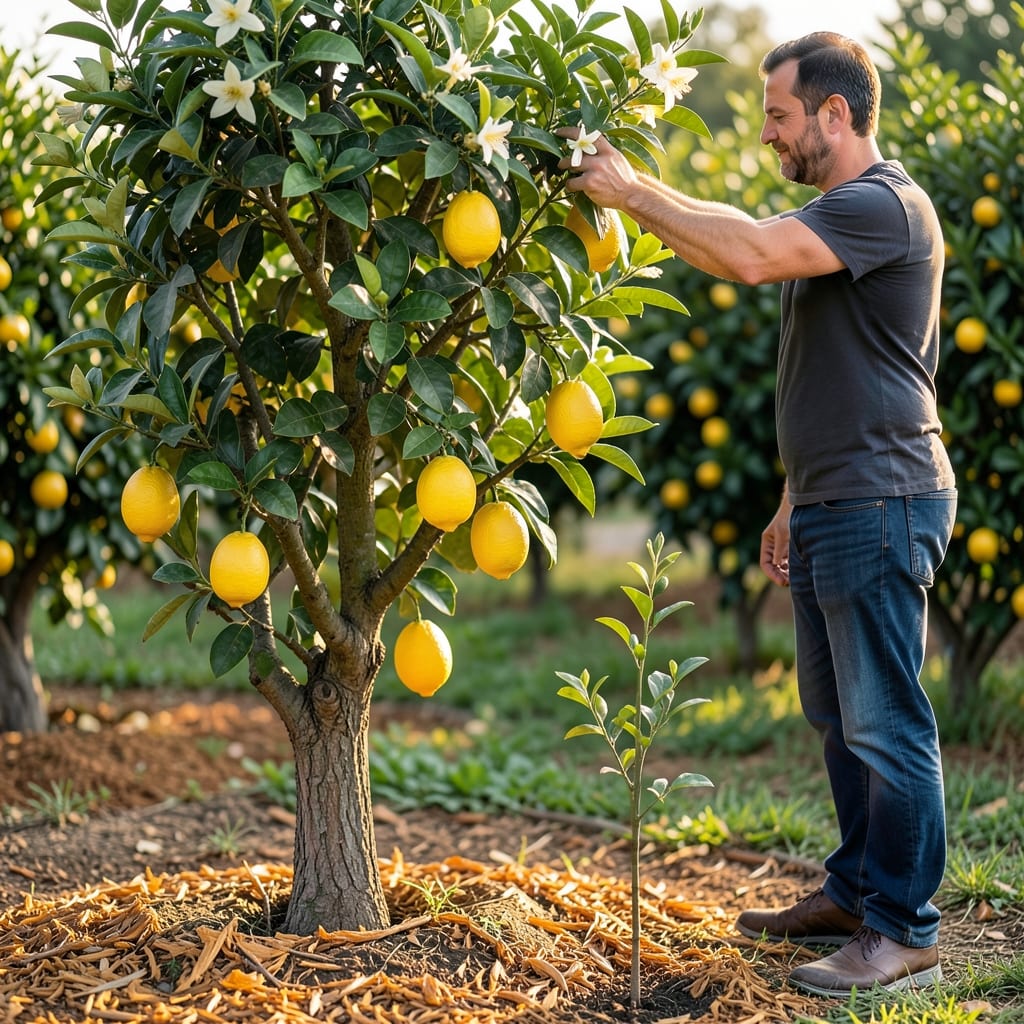
If you’ve ever imagined plucking fresh lemons from your backyard tree, you’ve probably wondered: how tall can a lemon tree grow before it becomes a maintenance nightmare? The answer might surprise you—some varieties stay compact enough for containers, while others stretch toward the sky like a citrus skyscraper.
In USDA Zone 6, where frost can limit growth, your lemon tree’s height depends entirely on its roots, pruning habits, and the variety you choose. A Meyer lemon tree might stay under 6 feet with proper care, while a standard Eureka can reach 20 feet or more if left unchecked. The good news? With the right techniques, you can keep even the tallest varieties manageable.
Whether you’re dreaming of a 🍋 tree that fits on your patio or one that shades your entire yard, understanding growth patterns is key. From dwarf varieties perfect for small spaces to towering giants that need room to stretch, we’ll cover everything you need to control—or encourage—your tree’s height.
Ready to turn your citrus dreams into reality? Let’s dive into the varieties, pruning secrets, and care tips that will help you grow the perfect-sized lemon tree for your space.


Lemon tree height by variety: dwarf to giant size limits explained
Choosing the right lemon tree variety is the first step to controlling its height. Some stay under 6 feet, perfect for containers, while others can dwarf a two-story house. The key difference lies in their genetic growth habits—whether they’re bred for compact growth or left to reach their natural height.
For USDA Zone 6 gardeners, where frost can limit growth, selecting a cold-hardy variety like Meyer lemon (which often stays under 8 feet) is wise. Meanwhile, standard varieties like Eureka or Lisbon lemon can soar to 20 feet or more if unpruned. Let’s break down the exact height ranges for popular varieties.
🌱
| Variety | Mature Height (ft) | Growth Habit | Best For |
|---|---|---|---|
| Meyer Lemon | 6–10 ft | Compact, bushy | Containers, patios, small yards |
| Ponderosa Lemon | 12–20 ft | Tall, upright | Large yards, privacy screens |
| Eureka Lemon | 15–25 ft | Fast-growing, sprawling | In-ground planting, warm climates |
| Lisbon Lemon | 18–30 ft | Tall, vigorous | Commercial orchards, large estates |
| Dwarf Improved Meyer | 4–6 ft | Ultra-compact, slow-growing | Indoor growing, small spaces |
| Villafranca Lemon | 10–15 ft | Medium height, productive | Backyard orchards, containers (with support) |
The Meyer lemon is a top pick for small spaces, often staying under 8 feet even in USDA Zone 6. Its cold tolerance makes it ideal for gardeners in colder regions. In contrast, the Ponderosa lemon can reach 20 feet, making it better suited for large properties or as a focal point in a citrus grove.
If you’re growing lemons in containers, dwarf varieties like Dwarf Improved Meyer (just 4–6 feet) are your best bet. These stay manageable even on balconies or patios, as long as you use a 15-gallon pot or larger and prune regularly. Containers limit root growth, which naturally restricts height.
For in-ground planting, Eureka and Lisbon lemons are popular choices, but they require 15–20 feet of vertical space. If your yard is limited, consider semi-dwarf varieties like Villafranca lemon, which max out around 12–15 feet and produce abundant fruit without taking over your landscape.
🌿
One common mistake is assuming all lemon trees grow to the same height. In reality, their final size is influenced by pruning habits, container size, and even climate conditions. For example, a Meyer lemon in a 5-gallon pot will stay under 3 feet, while the same variety in the ground could reach 10 feet without intervention.
When selecting a variety, consider not just height but also fruit production and cold hardiness. Some dwarf varieties, like Dwarf Improved Meyer, produce just as many lemons as their taller counterparts but in a fraction of the space. This makes them perfect for urban gardeners or those with limited yard area.
For those in USDA Zone 6, where winters can be harsh, Meyer lemon and Villafranca lemon are excellent choices. They tolerate brief cold snaps better than standard varieties and can still thrive in containers moved indoors during winter. With the right variety and care, you can enjoy fresh lemons year after year—no matter how tall (or short) your tree grows.
✂️
How to control lemon tree height: pruning, topping & container techniques
Pruning isn’t just about keeping your lemon tree from becoming a 20-foot jungle—it’s also about shaping its growth, boosting fruit production, and maintaining its health. The right pruning techniques can turn a wild, sprawling Eureka lemon into a neat, manageable tree that fits your space perfectly. Even dwarf varieties like Meyer lemon benefit from pruning to encourage bushier growth and better air circulation.
For USDA Zone 6 gardeners, pruning also helps protect your tree during winter. Removing dead or weak branches in late winter (before new growth starts) prevents disease and pests from taking hold. Meanwhile, summer pruning encourages compact, bushy growth—ideal for container-grown trees or small yards. Let’s break down the exact steps to control your lemon tree’s height, whether you’re working with a 6-foot dwarf or a 20-foot giant.
🌱
- 1 Choose the Right Tools: Use sterilized pruning shears for small branches and a pruning saw for thicker limbs. Disinfect tools with rubbing alcohol to prevent disease spread.
- 2 Prune in Late Winter: Remove dead, diseased, or crossing branches before new growth begins (February–March in Zone 6). This is also the best time to reduce overall height by cutting back 1/3 of the tallest branches.
- 3 Summer Pruning for Bushiness: Lightly trim new growth tips in June–July to encourage side branches and a fuller shape. Avoid heavy pruning in summer, as it can stress the tree.
- 4 Topping for Height Control: If your tree is too tall, use the topping method—cut the main stem just above a side branch to force new growth from the sides. This works best on young trees or standard varieties like Eureka.
- 5 Container Pruning Tips: For dwarf varieties in pots, prune roots every 2–3 years to prevent root-bound stress. Trim roots by 10–20% in early spring and repot into a larger container if needed.
One of the biggest mistakes gardeners make is pruning at the wrong time. For example, cutting back a lemon tree in fall or winter can stimulate new growth that won’t harden off before frost, damaging the tree. Instead, focus on late winter pruning to shape the tree before spring growth begins. This timing also helps the tree recover faster and reduces stress.
If you’re growing a Meyer lemon in a container, regular pruning is essential to keep it under 6 feet. Use a 15-gallon pot as your maximum size—any smaller, and the tree will become root-bound, stunting growth and reducing fruit production. For taller varieties like Ponderosa lemon, consider structural supports like stakes or trellises to guide growth and prevent branches from breaking under the weight of fruit.
For those in USDA Zone 6, winter care is critical. After pruning, mulch the base of the tree with 3–4 inches of straw or wood chips to insulate roots from freezing temperatures. In containers, move your tree indoors or to a protected location (like a garage or sunroom) before the first frost. Even cold-hardy varieties like Meyer lemon need protection when temperatures drop below 20°F.
🪴
Remember, the goal of pruning isn’t just to control height—it’s also to improve fruit production. By removing overcrowded branches and dead wood, you allow more sunlight and air to reach the center of the tree, which leads to bigger, sweeter lemons. Start with light pruning in your first year, then gradually increase as the tree matures. With patience and the right techniques, you can keep even the tallest lemon trees at a manageable height—without sacrificing those juicy, homegrown lemons.
✂️