
How To
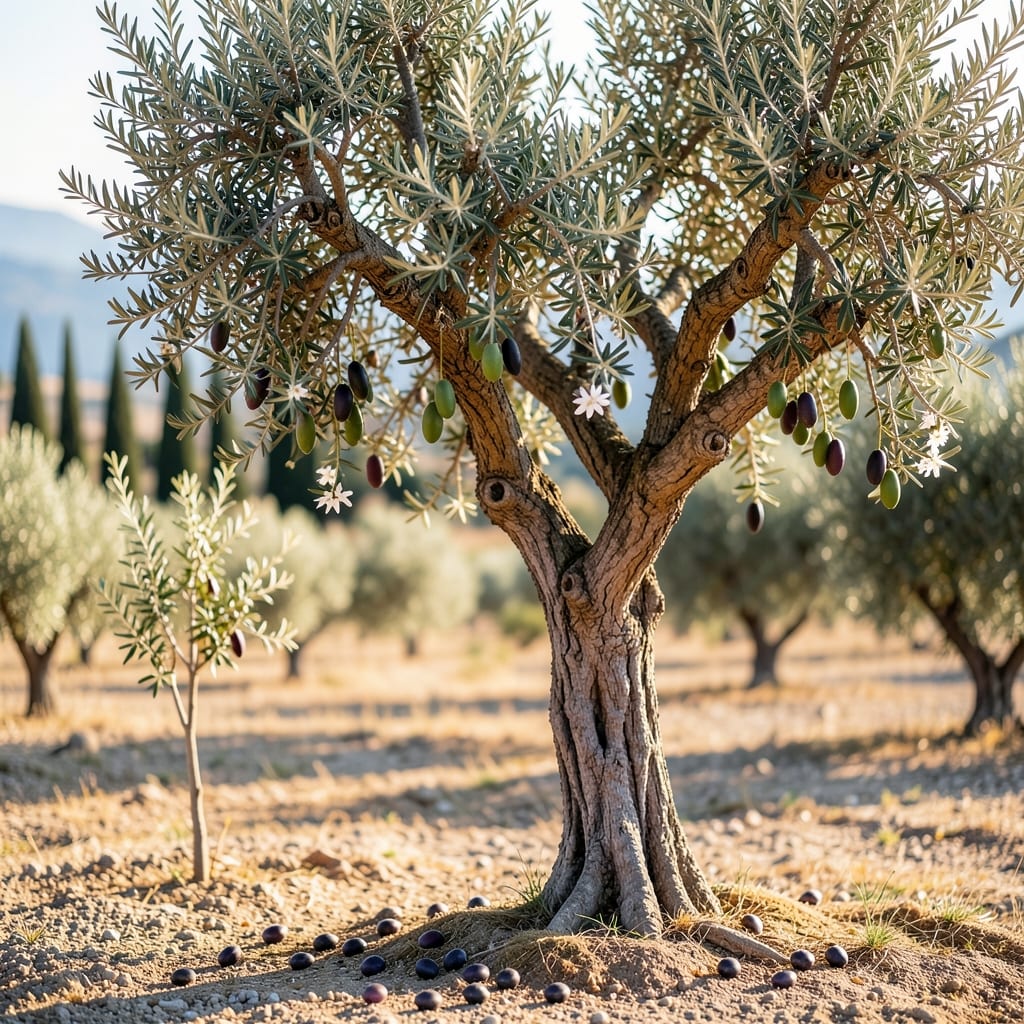
If you’ve ever wondered how tall can an olive tree grow, the answer might surprise you—your backyard could soon be home to a towering Mediterranean beauty or a compact container-friendly 🫒. Olive trees aren’t just resilient; they’re versatile, with heights ranging from just 8 feet for dwarf varieties to over 50 feet for wild types in ideal conditions.
But here’s the catch: where you plant it makes all the difference. In Mediterranean climates (zones 8-10), olive trees thrive, while colder regions require careful pruning to control their growth. Whether you’re dreaming of a shady canopy or a small potted tree, understanding the variety and climate is key to getting the height you want.
Let’s break down the factors that influence olive tree height—from soil and sunlight to pruning techniques—and show you how to manage their size naturally. You’ll learn which varieties stay small, how to encourage controlled growth, and even how to turn a wild giant into a manageable backyard feature.
Ready to transform your space with an olive tree? By the end of this guide, you’ll know exactly how to choose the perfect variety and care for it to reach—or stay—at your desired height. Let’s get started!


Olive tree height ranges by variety: dwarf to wild types explained
Olive trees (Olea europaea) come in an astonishing range of sizes, from container-friendly dwarfs under 8 feet to wild Mediterranean giants that can soar over 50 feet. The variety you choose isn’t just about aesthetics—it directly impacts how much space your tree will need, how quickly it grows, and even how much maintenance it requires. For example, a dwarf Arbequina stays compact at 6-8 feet, perfect for patios, while a wild-type Mission olive tree can reach 40+ feet in ideal conditions.
The key to controlling height starts with selecting the right variety. Some olive trees are bred specifically for small spaces, while others grow aggressively if left unchecked. Understanding these differences helps you plan your garden layout, choose the right container size, or even decide whether to prune regularly. Let’s explore the most popular olive tree varieties and their mature height ranges, so you can pick the perfect fit for your space.
| Variety | Mature Height | Growth Rate | Best For |
|---|---|---|---|
| Arbequina | 6-8 ft | Slow (1-2 ft/year) | Containers, patios, small yards |
| Frantoio | 12-20 ft | Moderate (2-3 ft/year) | Medium yards, urban landscapes |
| Mission | 20-40 ft | Fast (3-5 ft/year) | Large properties, shade trees |
| Manzanillo | 25-50 ft | Very fast (4-6 ft/year) | Rural areas, wild landscapes |
| Leccino | 15-30 ft | Moderate (2-4 ft/year) | Olive oil production, larger containers |
If you’re growing olives for table olives, varieties like Arbequina or Frantoio are excellent choices for smaller spaces. These varieties not only stay compact but also produce high-quality fruit. On the other hand, if you’re aiming for olive oil production or want a dramatic shade tree, Manzanillo or Mission varieties will give you the height and productivity you need—but they’ll require more space and regular pruning to manage their size.
One of the most common questions I hear is, “Can I grow an olive tree in a container?” The answer is a resounding yes, but only with the right variety. Dwarf varieties like Arbequina thrive in containers as long as the pot is at least 18-24 inches deep and you use a well-draining potting mix. Even semi-dwarf varieties like Frantoio can work in large containers (3+ feet in diameter) if pruned regularly. Just remember: container-grown olive trees will need more frequent watering and fertilization to compensate for their limited root space.
For those in colder climates (USDA zones 7-8), choosing a dwarf or semi-dwarf variety is a smart move. These trees are hardier and easier to protect from frost. You can also use container gardening to move your olive tree indoors during winter months, extending its lifespan in regions where outdoor planting isn’t feasible. For example, a 5-gallon container can easily hold a young Arbequina olive tree, making it perfect for balconies or patios in colder zones.
Pruning plays a huge role in controlling height, especially for faster-growing varieties like Manzanillo. If you’re growing a standard olive tree in your yard, plan to prune it once or twice a year to shape it and prevent it from becoming unmanageable. The best time to prune is late winter or early spring, just before new growth begins. This not only controls height but also encourages a fuller canopy and better fruit production. Just avoid heavy pruning in the fall, as it can stimulate new growth that won’t harden off before winter.
If you’re new to olive tree care, start with a dwarf variety like Arbequina. It’s forgiving, productive, and perfect for beginners. Once you’ve mastered the basics, you can experiment with taller varieties or even graft your own olive tree to create a custom-sized specimen. The beauty of olive trees is their adaptability—whether you want a tiny patio tree or a shade-providing giant, there’s a variety that fits your vision.
🌱
How climate zones affect olive tree growth height and pruning needs
Climate plays a huge role in determining how tall an olive tree can grow. In USDA zones 8-10, olive trees thrive naturally, reaching their full 50-foot potential if left unpruned. But in cooler zones (like 7 or below), growth slows dramatically, and winter damage can stunt height permanently.
For example, a wild-type olive tree in Southern California (zone 10) might grow 3-4 feet per year, while the same tree in Georgia (zone 7b) may only grow 6-12 inches annually without protection. Understanding your zone helps you set realistic height expectations and plan pruning strategies.
Here’s how different climate zones influence olive tree height and care needs:
| Zone | Mature Height (Standard Variety) | Growth Rate | Pruning Needs | Winter Care |
|---|---|---|---|---|
| 8-10 (Mediterranean) | 20-50 ft | 3-4 ft/year | Minimal (shape only) | None |
| 7 (Cooler Coastal) | 10-25 ft | 1-2 ft/year | Heavy (to prevent frost damage) | Wrap trunk, mulch |
| 6 (Cold Limits) | 5-10 ft (dwarf varieties only) | 6-12 inches/year | Aggressive (keep low) | Containerize or indoor winter |
In zones 8-10, olive trees grow naturally tall and require minimal pruning—just enough to shape the canopy. But in zone 7, you’ll need to prune aggressively in late winter to remove weak growth and protect branches from frost. For zone 6 or below, consider dwarf varieties or container growing to keep the tree manageable.
Pruning in colder zones isn’t just about height control—it’s about survival. Always prune after the last frost but before new growth starts (typically February-March). Remove dead or damaged branches first, then thin out crowded areas to improve airflow and sunlight penetration.
If you live in a cooler climate, another trick is to plant your olive tree against a south-facing wall. This creates a microclimate that adds 5-10°F warmth, encouraging faster growth and reducing the need for heavy pruning. Just ensure the wall is well-draining to prevent root rot.
For container-grown olive trees in cold zones, choose dwarf varieties like 'Little Ollie' or 'Arbequina'. These stay under 8 feet and can be moved indoors during winter. Even then, limit their height by pruning back by 1/3 each year to maintain compact growth.