
Size
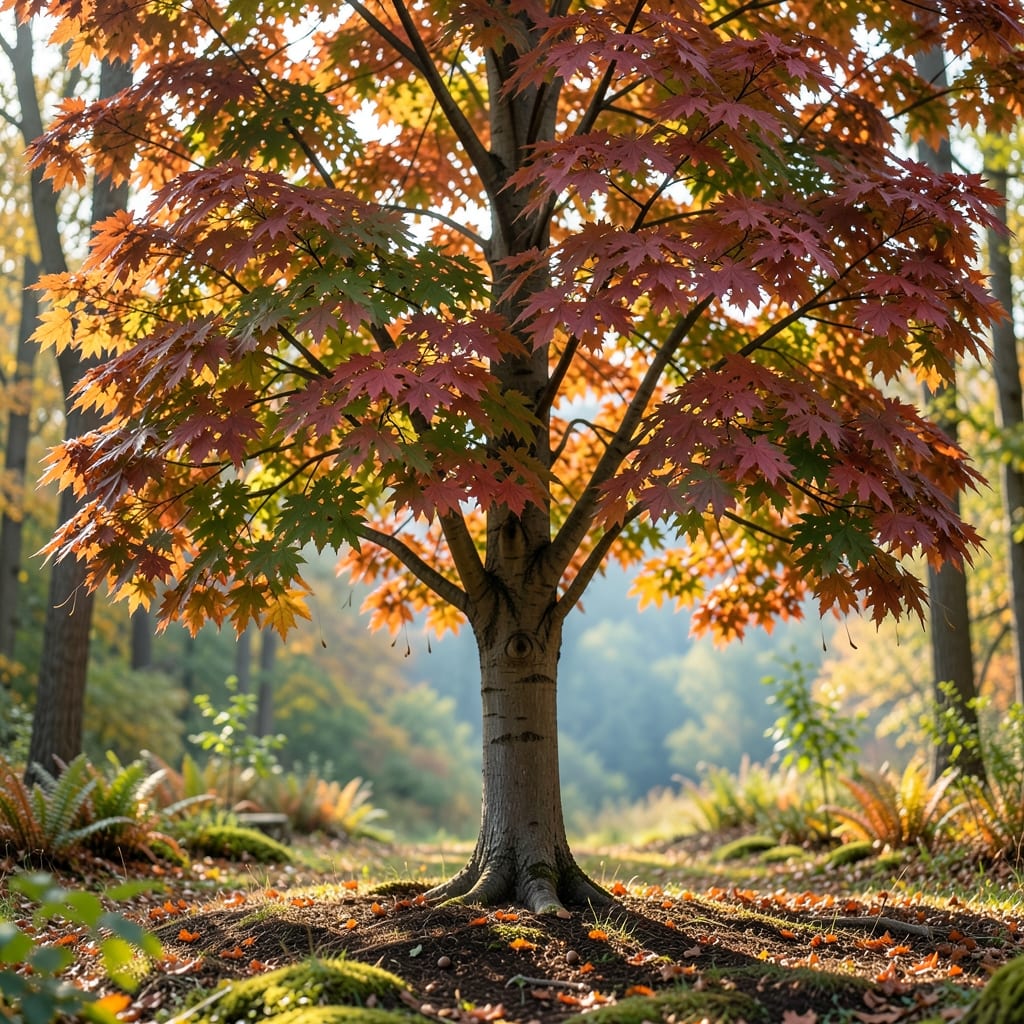
If you’ve ever wondered just how tall can a maple tree grow, the answer might surprise you—some tower over 120 feet, while others stay neatly contained in your backyard. The 🌳 maple tree you plant today could become a future landmark or a compact shade provider, depending on its species and care.
For gardeners in USDA Zone 6a, choosing the right variety makes all the difference. Sugar maples reach sky-high heights, while dwarf maples stay manageable for smaller spaces. But height isn’t just about genetics—soil quality, sunlight exposure, and proper pruning techniques can either help your tree reach its full potential or stunt its growth entirely.
Whether you’re dreaming of a towering sugar maple as a backyard centerpiece or need a space-saving option for your patio, understanding these factors is key. I’ll break down the tallest varieties, how to control their size, and the pruning hacks that make all the difference in your garden’s long-term plan.
Ready to turn your maple tree into the perfect fit for your space? Let’s dive into the science—and the secrets—behind how tall these stunning trees can really grow.


Maple tree height records by species: from dwarfs to skyscrapers
When it comes to maple tree height, nature serves up an impressive range—from towering giants that dwarf skyscrapers to compact varieties perfect for urban courtyards. The sugar maple, for example, can reach a staggering 100-120 feet in ideal conditions, while dwarf cultivars like 'Armstrong' stay neatly under 25 feet. This diversity means you can choose a maple that fits your space perfectly, whether you have acres or just a small yard.
Understanding these height variations helps you plan for long-term growth. A red maple might top out at 60 feet, while a Japanese maple often remains under 15 feet—ideal for ornamental gardens. The key is selecting the right species for your goals, whether that’s creating a future shade canopy or adding a decorative focal point.
🌳 How tall can a maple tree grow? The answer depends entirely on its species. Below, I’ve compared the most popular varieties, including their mature heights and growth rates, so you can make an informed choice for your landscape.
| Species | Mature Height | Growth Rate | Best For |
|---|---|---|---|
| Sugar Maple (Acer saccharum) | 100-120 ft | Slow to moderate | Large properties, forests |
| Red Maple (Acer rubrum) | 60-75 ft | Moderate | Urban landscapes, wildlife habitats |
| Silver Maple (Acer saccharinum) | 50-80 ft | Fast | Quick shade, erosion control |
| Japanese Maple (Acer palmatum) | 10-25 ft | Slow | Ornamental gardens, bonsai |
| Dwarf 'Armstrong' Maple | 15-25 ft | Moderate | Small yards, patios |
| Norway Maple (Acer platanoides) | 40-60 ft | Moderate | Shade trees, parks |
| Boxelder Maple (Acer negundo) | 30-50 ft | Fast | Wildlife, urban areas |
| Autumn Blaze Maple | 25-35 ft | Moderate | Landscaping, fall color |
If you’re planning for a tall maple tree, the sugar maple and red maple are classic choices, but they require ample space. For smaller properties, the 'Armstrong' dwarf maple or 'Autumn Blaze' offer stunning fall foliage without the towering height. Even the fastest-growing silver maple can be managed with proper pruning techniques.
One surprising factor in maple tree height is soil quality. Well-draining, nutrient-rich soil can accelerate growth by up to 30%, while compacted or waterlogged soil stunts development. If you’re planting a sugar maple in a clay-heavy area, consider amending the soil with compost or planting in raised beds to encourage healthier root growth.
Sunlight also plays a critical role. Most maples thrive in full sun (6+ hours daily), but varieties like the Japanese maple tolerate partial shade. Placing your tree in the right spot can mean the difference between a 20-foot ornamental and a 60-foot shade giant. Always check your specific variety’s light requirements before planting.
For gardeners in USDA Zone 6a, another consideration is winter hardiness. While most maples handle cold temperatures, young trees benefit from winter mulching to protect roots. This extra care can help your maple reach its full height potential without stress.
Whether you’re aiming for a
How to control maple tree height: pruning science for small spaces
Want to keep your maple tree from becoming a backyard giant? The secret lies in pruning science—not just hacking branches willy-nilly, but strategic cuts that guide growth while keeping your tree healthy. I’ve pruned sugar maples and red maples for years, and the difference between a wild, unruly tree and a well-mannered shade provider often comes down to timing, technique, and tools.
First, understand that maple trees grow fastest in spring and early summer. That’s when they’re most responsive to pruning. If you cut back branches in late summer or fall, you risk encouraging suckering (those unwanted shoots) or weakening the tree’s winter resilience. Think of pruning like giving your tree a haircut—timing matters just as much as the scissors.
Here’s the golden rule: Never remove more than 25% of the tree’s canopy in a single season. This prevents stress shock, which can leave your maple vulnerable to disease or pests. For example, if your silver maple is growing too fast for its space, spread those cuts over 2-3 years rather than trying to tame it all at once.
🌱 Step-by-Step Pruning Guide for Controlling Maple Tree Height
-
Step 1: Choose the Right Time
Prune in late winter or early spring (just before buds swell) for best results. Avoid pruning in fall—it invites disease. -
Step 2: Use the Right Tools
Sharp bypass pruners for small branches, loppers for thicker limbs (2-4 inches), and a pruning saw for anything larger. Clean tools prevent spreading disease. -
Step 3: Identify Target Branches
Look for water sprouts (vertical shoots) or crossing branches. These are prime candidates for removal to redirect energy upward or outward. -
Step 4: Make Clean Cuts
Cut just outside the branch collar (the swollen area where the branch meets the trunk). Avoid leaving stubs—this invites decay. -
Step 5: Thin the Canopy
Remove branches from the bottom third of the tree to open up the trunk and reduce height. Aim for an open vase shape to improve airflow. -
Step 6: Monitor and Repeat
Prune annually in early spring to maintain shape. For aggressive height control, do a crown reduction every 2-3 years.
For dwarf maple varieties like ‘Armstrong’ or ‘Autumn Blaze’, pruning is less about height control and more about shaping. These trees naturally stay under 25 feet, but they still benefit from light pruning to encourage bushier growth. Simply trim back 1/3 of the new growth in early summer to prompt branching.
Pro tip: If your maple tree is already too tall for its space, crown reduction is your best bet. This involves shortening the outer branches by up to 25% of their length, which slows vertical growth while maintaining the tree’s natural shape. Just be prepared for a sprout flush—new shoots will pop up where you cut, but they’re easy to manage in subsequent prunings.
Remember, pruning is a conversation with your tree. Pay attention to how it responds—if it’s putting out weak, leggy growth after pruning, you might be cutting too late in the season or removing too much foliage. Adjust your approach and watch your maple thrive at the perfect height for your space.