
Size
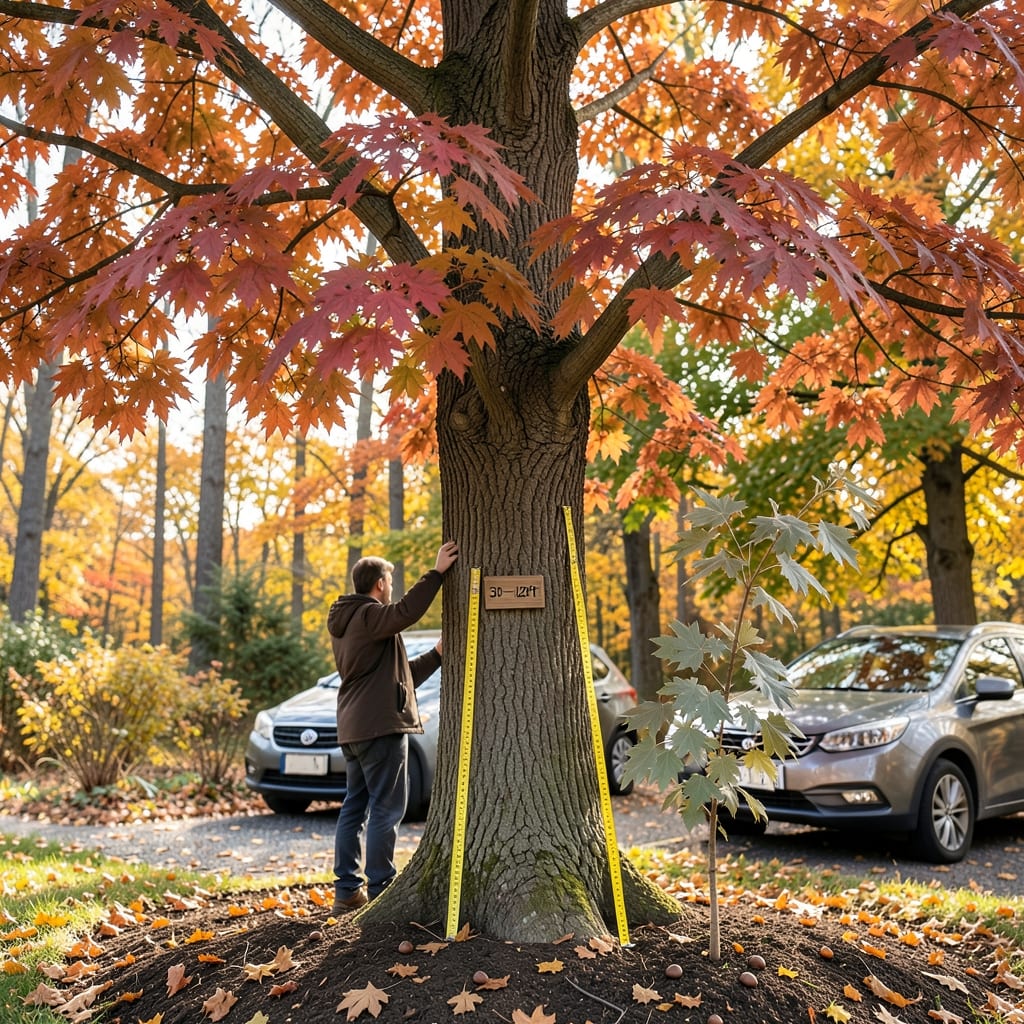
If you've ever stood beneath a towering maple tree and wondered how tall these trees can grow, you're not alone. The answer isn't just one number—it's a breathtaking range that spans from delicate dwarf varieties to giants reaching higher than your house. Understanding these limits isn't just fascinating; it's the key to planning your landscape with confidence.
From the graceful Japanese maple that stays modest at just 15-25 feet to the red maple that can soar past 100 feet, each species has its own growth story. The difference between these extremes often comes down to genetics, care, and where you live. Whether you're designing a cozy backyard or a sprawling estate, knowing these heights helps you make choices that will shape your outdoor space for decades.
But here's the twist: even the tallest maples don't grow that way by accident. Soil quality, sunlight exposure, and proper pruning can push a tree toward its full potential—or keep it in check. I'll show you how to read your maple's growth signals and use them to your advantage, whether you want a shade canopy or a compact centerpiece.
Ready to discover which maple species will fit your vision—and how to nurture them to reach their true height? Let's break down the science and secrets behind these skyward giants, so you can plant with purpose and watch your tree grow exactly as you imagine.

Maple tree height limits by species: from dwarfs to giants
Maple trees are nature’s architectural marvels, but their mature heights can vary dramatically depending on the species. Some tower like skyscrapers, while others remain manageable for smaller gardens. Understanding these differences helps you choose the perfect variety for your space and vision.
The Sugar Maple (Acer saccharum) is a classic giant, reaching heights of 75–100 feet with a spread of 40–60 feet. Its iconic orange foliage makes it a staple in forests and large landscapes, but its size demands ample room to thrive without crowding other plants.
On the opposite end, the Japanese Maple (Acer palmatum) offers a delicate alternative, typically growing 10–25 feet tall depending on the cultivar. Varieties like 'Bloodgood' or 'Crimson Queen' are prized for their vibrant colors and compact growth, making them ideal for ornamental gardens and small yards.
Here’s how other popular maple species compare in height and growth habits:
| Species | Mature Height (ft) | Spread (ft) | Growth Rate | Best For |
|---|---|---|---|---|
| Sugar Maple | 75–100 | 40–60 | Moderate | Large landscapes, forests |
| Red Maple | 40–60 | 30–50 | Fast | Urban areas, wildlife habitats |
| Silver Maple | 50–80 | 40–60 | Fast | Quick shade, erosion control |
| Norway Maple | 40–60 | 30–50 | Moderate | Shade trees, parks |
| Japanese Maple | 10–25 | 10–20 | Slow | Bonsai, small gardens |
| Boxelder Maple | 30–50 | 20–30 | Fast | Wildlife support, urban areas |
| Amur Maple | 20–30 | 15–25 | Slow | Cold climates, ornamental |
The Red Maple (Acer rubrum) strikes a balance with heights of 40–60 feet, making it versatile for suburban yards. Its bright red foliage in autumn adds seasonal drama without overwhelming smaller spaces. Meanwhile, the Silver Maple (Acer saccharinum) grows even faster, reaching 50–80 feet in ideal conditions, but its weak wood makes it less durable long-term.
For compact options, consider the Amur Maple (Acer tegmentosum), which maxes out at 20–30 feet and thrives in cold climates. Its small size and hardiness make it perfect for urban gardens or as a specimen tree in tight spaces.
Choosing the right species isn’t just about height—it’s also about your climate zone, soil type, and long-term maintenance goals. A Sugar Maple might
Factors that determine Maple tree height: sunlight, soil, and pruning secrets
You might assume a maple tree’s height is purely genetic, but the truth is far more dynamic. While species set the baseline—like the Sugar Maple’s 75–100-foot ceiling—your local conditions can push it 20+ feet taller or stunt it to half its potential. Think of your maple as a skyscraper: the right foundation, sunlight, and maintenance determine how high it reaches.
Sunlight is the single biggest factor in maple tree height. A Red Maple in full sun may hit 60 feet, but the same tree in partial shade could max out at 40 feet. This isn’t just about height—it’s about branch strength and disease resistance. Shady conditions weaken wood, making trees prone to wind damage or fungal infections like anthracnose.
Soil quality plays an equally critical role. Maple trees thrive in well-draining, slightly acidic soil (pH 6.0–7.0). Compacted or waterlogged soil can stunt root growth, limiting a Silver Maple’s potential from 80 feet to just 50 feet. Amend heavy clay with compost or sand to boost drainage, and always plant on a slight mound to prevent water pooling at the roots.
- 1 Sunlight: Full sun (+6 hrs/day) = 20–30% taller growth vs. partial shade. Red Maple example: 60 ft (sun) vs. 40 ft (shade).
- 2 Soil pH: Ideal range 6.0–7.0. Below 5.5 = stunted roots (height loss up to 50%). Test soil before planting!
- 3 Water access: Drought stress in first 3 years can reduce mature height by 15–25%. Deep watering (10–20 gallons) weekly in summer is critical.
- 4 Pruning timing: Late winter/early spring pruning removes water sprouts that divert energy from height growth. Avoid summer pruning—it triggers suckering.
- 5 Climate zone: USDA Zones 3–8 optimal. Zones <4 or >9 can reduce height by 10–15% due to stress. Amur Maple thrives in Zone 3 cold.
Pruning isn’t just about shaping—it’s a growth hack. Strategic cuts in late winter (before buds swell) remove competing branches that steal nutrients from vertical growth. For a Sugar Maple, this can add 10–15 feet to its mature height by eliminating water sprouts and deadwood. But timing matters: prune in summer, and you’ll trigger suckering, which stunts upward growth.
Even the hardiest maples need consistent moisture in their first 3 years. Skimp on water, and a Red Maple might only reach 45 feet instead of its 60-foot potential. Deep watering (10–20 gallons per tree) every 5–7 days in summer keeps roots expanding downward, not outward—critical for height.
Case in point: A Silver Maple in Michigan’s Upper Peninsula hit 75 feet with full sun and amended soil, while identical saplings in urban Detroit (compacted soil, partial shade) maxed out at 50 feet. The difference? Care conditions, not genetics. With the right approach, even your backyard can nurture a sky-high maple—or keep it compact for cozy spaces.