
Trees
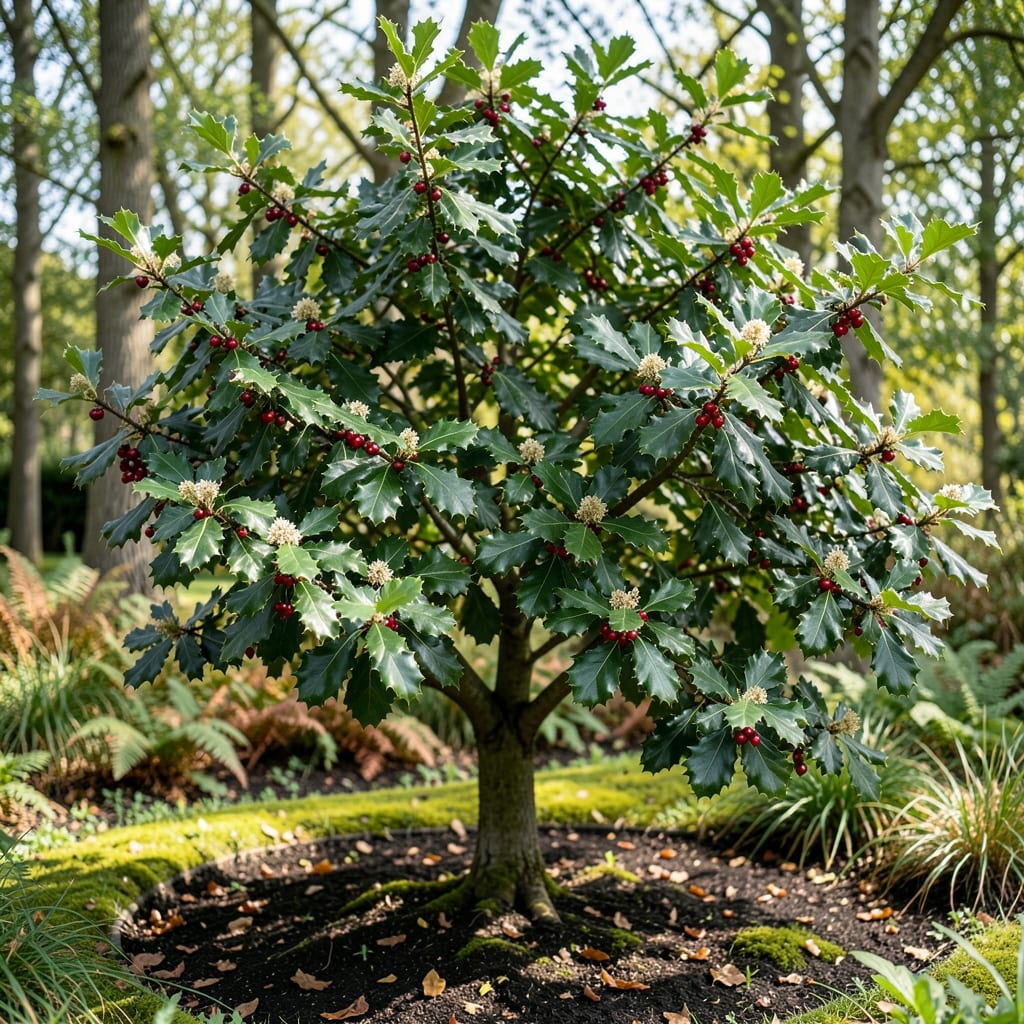
Wondering how tall can a holly tree grow in your yard? The answer might surprise you—some varieties stay compact enough for cozy gardens, while others stretch toward the sky like a natural skyscraper. 🌳 Whether you’re dreaming of a lush hedge or a towering specimen, the right holly tree can transform your landscape, but their height depends on more than just luck.
Native American holly (Ilex opaca) often reaches 30 to 60 feet at maturity, making it a statement piece for large properties. Meanwhile, ornamental varieties like 'Blue Prince' or 'Sky Pencil' top out around 8 to 15 feet, perfect for smaller spaces or urban gardens. The key difference? Species, care, and a little strategic pruning can steer your holly toward your ideal height—whether that’s a privacy screen or a dramatic focal point.
Climate, soil quality, and sunlight all play a role in how fast (or slow) your holly grows. In USDA Zone 6a, where spring planting thrives, holly trees can gain 2 to 4 feet per year under ideal conditions. But don’t worry—even if you plant a dwarf variety, proper maintenance keeps it manageable. I’ll show you how to control growth, whether you want a tidy hedge or a sky-high centerpiece.
Ready to pick the perfect holly for your space? Let’s break down the varieties, care tips, and secrets to shaping your tree—no matter how tall (or short) you want it to be. Your landscape’s new star is waiting!


Holly tree height by variety: from dwarf to towering giants
Choosing the right holly tree means understanding their height potential—because what fits in a small urban garden won’t work for a rural landscape. The American holly (Ilex opaca), for example, can soar to 30 to 60 feet at maturity, while dwarf varieties like 'Blue Prince' stay a manageable 8 to 15 feet. Your selection depends on your space, style, and patience for growth.
Ornamental hollies often fall into three height categories: dwarf (under 15 ft), semi-dwarf (15-25 ft), and standard (30+ ft). Each category offers unique benefits—whether you need a privacy hedge or a bold focal point. Let’s explore the most popular varieties and their mature heights to help you decide.
🌱 Visual Guide: Holly Tree Heights at a Glance
| Variety | Mature Height | Growth Rate | Best For |
|---|---|---|---|
| American Holly (Ilex opaca) | 30–60 ft | 2–4 ft/year | Large landscapes, specimen trees |
| English Holly (Ilex aquifolium) | 20–40 ft | 1–3 ft/year | Hedges, formal gardens |
| 'Blue Prince' Holly | 8–15 ft | 1–2 ft/year | Small gardens, containers |
| 'Sky Pencil' Holly | 10–15 ft | 1–2 ft/year | Narrow spaces, vertical accents |
| 'Dwarf Burford' Holly | 6–10 ft | 6–12 in/year | Borders, foundation plantings |
The American holly is the tallest of the bunch, often reaching towering heights that make it a statement piece in parks or estates. Its glossy leaves and red berries add year-round interest, but its size requires ample space. For smaller yards, dwarf varieties like 'Blue Prince' or 'Sky Pencil' are ideal—they grow slowly and stay compact, perfect for urban gardens or patio plantings.
If you love the look of holly but need a hedge or screen, consider English holly, which tops out around 20 to 40 feet. It’s denser than American holly, making it a privacy solution without sacrificing aesthetics. Just be prepared for slower growth—these trees take time to fill out, but their evergreen foliage and spiky leaves deter pests and add texture.
For container gardening, look for miniature hollies like 'Dwarf Burford,' which stays under 10 feet. These are perfect for balconies or small yards where space is limited. They also respond well to regular pruning, letting you shape them into topiaries or espalier designs. The trade-off? They may produce fewer berries than their taller counterparts.
Pro tip: Male and female holly trees require both for berries, but height isn’t the only factor—pollination and climate play roles too. If berries aren’t a priority, focus on leaf color and form when selecting your variety. Some, like 'Blue Prince,' boast silvery-blue foliage, while others, like 'Sky Pencil,' grow in narrow columns for vertical gardens.
No matter which variety you choose, remember that height isn’t set in stone. With pruning and care, you can encourage or limit growth to fit your space. Next, we’ll dive into the factors that influence holly tree height—so you can give your tree the best shot at reaching (or staying) your ideal size. ✂️
Factors that influence holly tree height and growth speed
Your holly tree’s final height isn’t just about the variety you plant—it’s also about the environment and care you provide. Even a dwarf holly can stretch taller if given ideal conditions, while a standard variety might stay shorter in poor soil. Understanding these growth factors helps you steer your tree toward your desired size, whether you want a compact hedge or a towering specimen.
Sunlight is one of the biggest height influencers. Holly trees thrive in partial shade (3-6 hours of sun daily), but too much direct sunlight can accelerate growth, making them taller faster. In shadier spots, they grow slower and may stay shorter—ideal if you want to control height. For example, a 'Sky Pencil' holly in full sun might reach 15 feet, while the same tree in partial shade could top out at 12 feet.
🌱 Growth Factors at a Glance
Too much sun = faster, taller growth. Partial shade slows growth, keeping trees shorter.
Rich, well-draining soil with organic matter fuels faster growth. Poor soil stunts height.
Deep watering weekly encourages height growth. Drought stress slows growth and can reduce mature size.
Regular pruning controls height. Cutting back top growth redirects energy to width.
Warmer climates (like USDA Zone 8+) speed growth. Cooler zones slow growth, keeping trees shorter.
Balanced 10-10-10 NPK in spring boosts growth. Over-fertilizing can cause weak, leggy growth.
Soil quality is another game-changer. Holly trees prefer acidic, well-draining soil with a pH of 5.0 to 6.5. Amend heavy clay with compost or peat moss to improve drainage and nutrients. Poor soil? Your holly will struggle to reach its full height potential, often staying 20-30% shorter than expected. For example, an American holly in nutrient-rich soil might hit 50 feet, but in depleted soil, it could max out at 35 feet.
Watering habits also play a surprising role. Holly trees need consistent moisture, especially in their first few years. Deep watering once a week (or more in summer) ensures steady growth. Underwatering stunts height and can lead to weak, brittle branches. Overwatering, however, causes root rot, which slows growth entirely. Aim for well-draining soil and water in the morning to reduce evaporation.
Pruning isn’t just for shaping—it’s a height control tool. If you want to limit height, prune the topmost branches in late winter or early spring. This encourages lateral growth (width) instead of vertical growth. For taller trees, avoid heavy pruning—focus on removing dead or crossing branches to maintain structure. Remember: Holly trees heal slowly, so prune sparingly to avoid stress.
Finally, climate matters. Holly trees grow fastest in USDA Zones 6-9, where warm summers and mild winters fuel rapid growth. In cooler zones (like Zone 5), growth slows, and trees may stay 10-20% shorter than their potential. If you’re in a harsh climate, choose hardier varieties like 'Dwarf Burford' or 'Blue Prince' to ensure they thrive without excessive height.
By tweaking these factors, you can shape your holly’s growth to fit your space perfectly. Next, we’ll cover pruning techniques to maintain your desired height—whether you want a neat hedge or a tall, majestic tree. ✂️