
Size
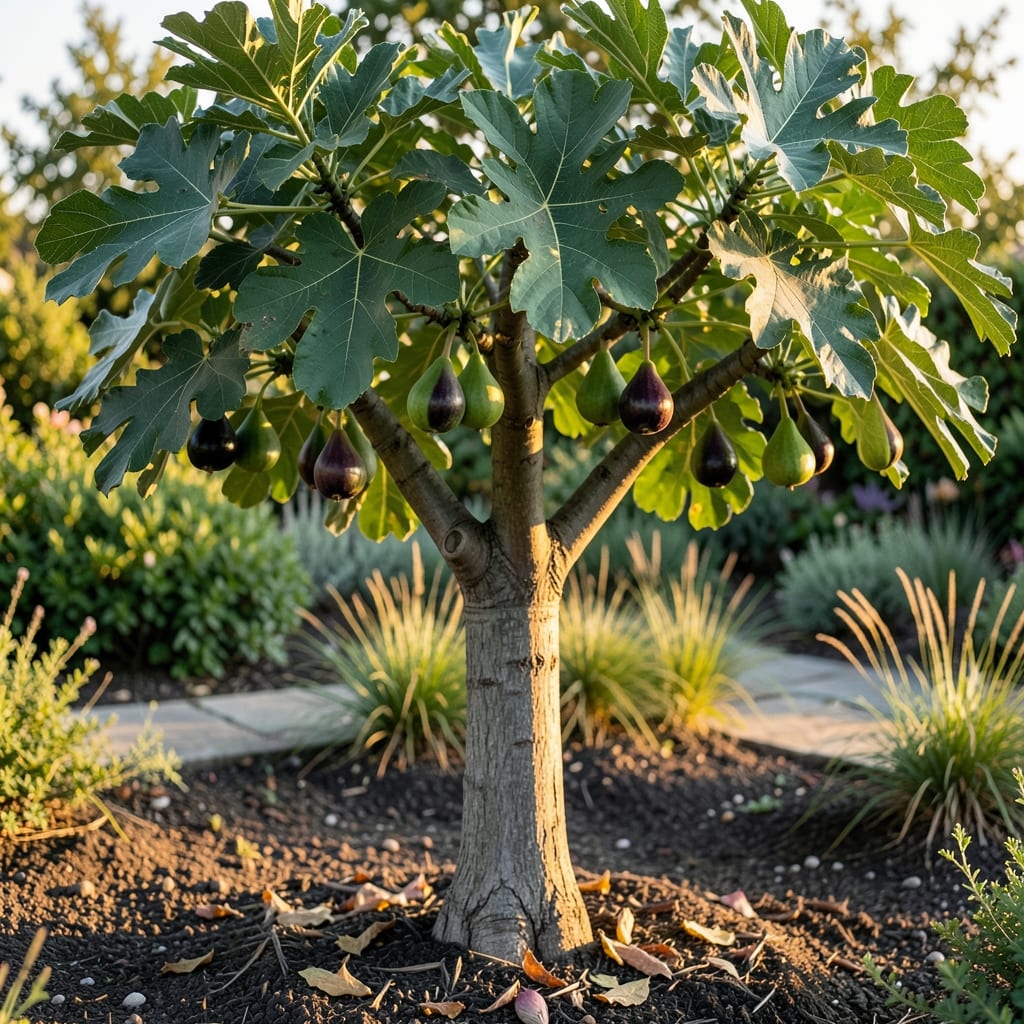
If you've ever wondered just how tall your 🍈 fig tree could grow, the answer might surprise you—some varieties stretch toward the sky like natural skyscrapers, while others stay perfectly manageable for small gardens. The height of a fig tree depends on its variety, growing conditions, and whether you're ready to prune it into shape.
Standard fig trees can reach 20 to 30 feet tall, towering over most backyards and even shading entire patios. But don’t worry—dwarf varieties stay between 8 to 12 feet, making them perfect for urban gardens or containers. The key to controlling height lies in pruning and choosing the right variety for your space.
Whether you're dreaming of a sprawling fruit-bearing giant or a compact tree for your balcony, understanding these growth patterns will help you plan your garden layout. I’ll break down the best varieties for different spaces and share pruning tips to keep your fig tree at your desired height—without sacrificing those sweet, sun-ripened figs.
Ready to turn your fig tree into the perfect size for your yard? Let’s explore how to nurture it from a sapling to the ideal height for your needs.


Fig tree height by variety: from dwarf to towering giants
Fig trees come in a stunning range of sizes, from compact varieties that fit snugly in containers to towering giants that can overshadow your entire backyard. The mature height of your fig tree isn’t just about genetics—it’s also influenced by pruning, sunlight, and soil quality. But if you’re planning your garden layout, knowing the expected height of each variety is the first step to creating the perfect space for your tree.
For example, the Chicago Hardy fig tree can reach 20 to 30 feet tall, making it a stunning focal point for large yards. On the other hand, the Little Miss Figgy stays a manageable 6 to 8 feet, ideal for small gardens or even large containers. The key is selecting a variety that matches your space and maintenance preferences.
Here’s a quick look at how different fig tree varieties stack up in terms of height, so you can choose the perfect fit for your garden:
The Chicago Hardy and Brown Turkey are classic choices for gardeners with ample space, while Little Miss Figgy and Violette de Bordeaux are perfect for urban gardeners or those with limited room. Even if you choose a larger variety, you can control its height with regular pruning, which I’ll cover in the next section.
If you’re growing figs in containers, opt for dwarf varieties like Little Miss Figgy or Violette de Bordeaux. These stay well under 10 feet tall, making them ideal for balconies or patios. Just ensure your container is at least 15–20 gallons to accommodate their root systems as they grow.
One thing to remember: fig trees grow fastest in their first 3–5 years. A 2-foot sapling can become a 10-foot tree in just a few seasons if given the right conditions. That’s why choosing the right variety—and planning for its mature size—is so important before you plant.
For instance, if you’re planting near a fence or structure, leave at least 10 feet of clearance for a standard fig tree to avoid overcrowding. If space is tight, prune aggressively in early spring to encourage bushier, shorter growth. The goal is to balance fruit production with manageable height—and the right variety makes all the difference.
Ready to pick the perfect fig tree for your space? Start by matching your yard’s size to the variety’s mature height, and don’t forget to factor in pruning for the ideal shape. With the right choices, you’ll have a fig tree that’s both productive and proportionate to your garden.
How pruning affects fig tree height: techniques for controlling growth
Pruning is the secret weapon for controlling your fig tree’s height—whether you want a compact bush or a tall shade tree. Fig trees naturally grow fast and tall, but strategic pruning can keep them at your desired height while boosting fruit production. The key is timing, technique, and consistency. If you’ve ever wondered why your fig tree seems to shoot up overnight, it’s likely because you missed the best pruning window.
For height control, focus on pruning in late winter or early spring, just as new growth begins. This is when your fig tree is most responsive to shaping. Avoid heavy pruning in summer or fall, as it can stress the tree and reduce fruit yield. Instead, use light maintenance pruning during these seasons to remove dead or crossing branches—this keeps the tree healthy without stunting growth.
Here’s a step-by-step guide to pruning your fig tree for the perfect height, whether you’re trimming a 20-foot giant or a 6-foot dwarf:
- 1 Choose your goal: Decide if you want a tall tree (minimal pruning) or a compact shape (aggressive pruning). For example, if you’re growing Little Miss Figgy, prune to encourage bushiness, while a Chicago Hardy may need annual height checks.
- 2 Prune in late winter: Use sterilized pruning shears to cut back 1/3 of the previous year’s growth. Focus on removing suckers (shoots at the base) and vertical branches to redirect energy toward a bushier form.
- 3 Shape the canopy: For a rounded shape, trim branches just above a leaf node (where leaves grow). Avoid cutting into old wood, as fig trees struggle to regrow from large cuts.
- 4 Encourage lateral branches: If your tree is too tall, cut back the top leader (the central vertical stem) to force side branches to grow. This creates a wider, shorter tree with more fruit-bearing wood.
- 5 Clean up regularly: Remove dead wood and diseased branches throughout the year to prevent pests and improve airflow. This keeps the tree healthy and manageable without sacrificing height.
One common mistake is over-pruning in summer, which can reduce fruit production and stress the tree. Instead, plan your pruning for late winter and use light touch-ups in spring and summer. For example, if your Brown Turkey fig starts to outgrow its space, prune it back by 20% in late winter, then monitor its growth throughout the year.
If you’re growing a fig tree in a container, pruning becomes even more critical. Container-grown figs root-bound stress can stunt growth, so prune to encourage bushiness and prevent the tree from becoming top-heavy. Use well-draining soil and a large pot (15+ gallons) to support healthy growth, even with regular pruning.
Remember, fig trees reward patience. A tree pruned aggressively in its first year may take 2–3 years to recover and produce fruit, but the long-term benefits—like a manageable height and abundant harvests—are worth it. Start with small adjustments, observe how your tree responds, and refine your approach each season.