
Plants
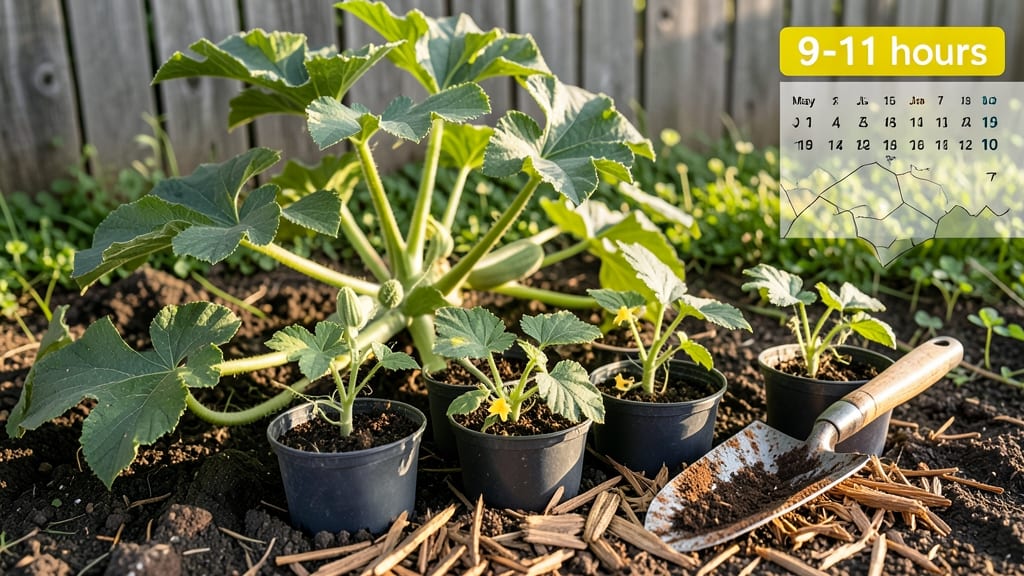
Timing your melon planting in Zone 7 can mean the difference between a bountiful harvest of sweet 🍉 or a disappointing loss to frost. The exact weeks you choose to plant determine whether your vines thrive or wither—so getting this right is your first step to garden success.
Most gardeners in Zone 7 (USDA 7) wait until late spring to early summer, but the real secret lies in soil temperatures and frost-free windows. Planting too early risks frost damage, while waiting too long might cut your harvest short before summer’s end.
Let me break down the precise timing and strategies to maximize your melon yield.
You’ll discover how to align your planting schedule with Zone 7’s 165 frost-free days, the ideal soil temps for germination, and which melon varieties handle cooler starts best.
Whether you’re a first-time gardener or a seasoned pro, these insights will help you avoid common mistakes and grow melons like a pro.
Ready to transform your garden? I’ll walk you through everything—from soil prep to companion planting—so you can enjoy homegrown melons at their peak. Let’s get those seeds in the ground at the perfect moment for a harvest you’ll remember.
Zone 7 melon planting calendar: exact weeks to avoid frost damage
Zone 7 gardeners face a 165-day frost-free window—just enough time to grow juicy melons if you plant at the right moment. The average last frost date falls around mid-April (Zone 7a) to early May (Zone 7b), but soil warmth matters more than air temperature for melons.
Your seeds won’t sprout until the soil hits 70°F (21°C), which typically happens 2-4 weeks after the last frost.
For cantaloupes and honeydews, aim to plant 2-3 weeks after your last frost date—usually late April to early May—when soil thermometers confirm warmth. Watermelons, which are slightly more cold-tolerant, can handle a 1-week earlier start, but never risk it before mid-April unless you use row covers.
Here’s the critical timeline for Zone 7 melon success:
| Melon Type | Zone 7 Planting Window | Soil Temp Threshold | Days to Harvest |
|---|---|---|---|
| Cantaloupe | Late April–Early May | 70°F+ (21°C) | 70–85 days |
| Watermelon | Mid-April–Late April | 65°F+ (18°C) | 75–90 days |
| Honeydew | Early May–Mid-May | 70°F+ (21°C) | 80–90 days |
| Heat-Tolerant Varieties | Late May–Early June | 75°F+ (24°C) | 60–75 days |
🌱 Pro Tip: Use black plastic mulch 1–2 weeks before planting to warm soil faster.
If you’re starting seeds indoors, begin 4-6 weeks before your target outdoor date—so mid-March to early April for Zone 7. Transplant seedlings outdoors only after they’ve developed 2-3 true leaves and nighttime temps stay above 55°F (13°C).
Harden them off for 7-10 days by placing them outside during the day and bringing them in at night.
For direct sowing (skipping seedlings), wait until after Memorial Day (late May) to ensure soil warmth. This cuts down on transplant shock but limits your harvest window—so balance speed and risk. Watermelons are the most forgiving for late starts, while honeydews need the full season to ripen.
Zone 7’s unpredictable springs mean flexibility is key. Check your local Almanac’s frost dates and monitor soil temps with a thermometer (or your elbow—if it’s too cold to keep inserted for 10 seconds, wait).
For extra insurance, choose fast-maturing varieties like ‘Sugar Baby’ watermelon (65 days) or ‘Minnesota Midget’ cantaloupe (70 days) to maximize your harvest window.
One common mistake? Planting too early and watching vines wilt from cool nights. Melons thrive in warmth, so prioritize soil temperature over calendar dates. If your May starts feel unseasonably cold, delay until early June—better late than frost-killed!
💧 Watering Tip: After planting, keep soil consistently moist (not soggy) to encourage strong root growth. Mulch with straw to retain heat and moisture—critical for Zone 7’s variable weather.
How to extend your melon season in Zone 7: cold-hardy varieties and tricks
Zone 7’s short growing season (just 165 frost-free days) can feel like a race against time for melons. But with the right cold-hardy varieties and season-extending tricks, you can push harvests earlier or later—adding 2-4 extra weeks of melon-growing magic.
The key? Start with heat-tolerant, fast-maturing melons and use tools like row covers or black plastic mulch to create microclimates that fool Mother Nature.
For earlier harvests, focus on small-fruited varieties like ‘Sugar Baby’ watermelon (65 days) or ‘Minnesota Midget’ cantaloupe (70 days). These thrive in cooler soil (as low as 65°F) and produce sweet, compact fruit before summer heat peaks.
Pair them with black plastic mulch laid 2-3 weeks before planting—this warms soil 5-10°F faster than bare earth, letting you plant 1-2 weeks earlier without frost risk.
🌱 Zone 7 Melon Season Extenders
- Black plastic mulch: Warms soil 5-10°F faster
- Row covers: Protects seedlings from light frosts (down to 28°F)
- Cold-tolerant varieties: ‘Sugar Baby’ (watermelon), ‘Minnesota Midget’ (cantaloupe)
- Trellising: Lifts fruit off cool, damp soil to delay rot
- Heat-tolerant varieties: ‘Heatmaster’ watermelon, ‘Topmark’ cantaloupe
- Drip irrigation: Keeps roots cool in 90°F+ heat
💡 Pro Tip: Combine mulch + row covers for a 14-day head start on the season.
To extend harvests into late summer, switch to heat-tolerant varieties like ‘Heatmaster’ watermelon or ‘Topmark’ cantaloupe. These handle 90°F+ temps better than standard types and ripen 10-14 days faster in high heat.
Pair them with trellises to keep fruit off the hot, compacted soil—this alone can add 7-10 days to your harvest window by reducing rot and stress.
Transplanting seedlings (instead of direct sowing) is another game-changer. Start seeds indoors in late March and harden them off by mid-April. Once nighttime temps stay above 55°F, pop them into the garden with row covers for 2-3 weeks to shield them from late-spring frosts.
This lets you plant 3 weeks earlier than direct sowing—critical for honeydews, which need the full season to ripen.
Don’t overlook soil preparation either. Amend beds with compost and a slow-release fertilizer (like 10-10-10) 4-6 weeks before planting. Warm soil = faster germination, and well-draining beds prevent rot in Zone 7’s humid summers.
For extra insurance, test your soil’s pH (6.0-6.8)—melons hate acidic or alkaline conditions, which stunt growth.
🌡️ Soil Temp Hack: Bury a soil thermometer 2 inches deep. If it reads below 70°F, delay planting—even if calendar dates say “go.” Melons won’t sprout in cool soil, and slow starts lead to stunted vines and fewer fruits. Patience here pays off with bigger, sweeter harvests later.