Planting
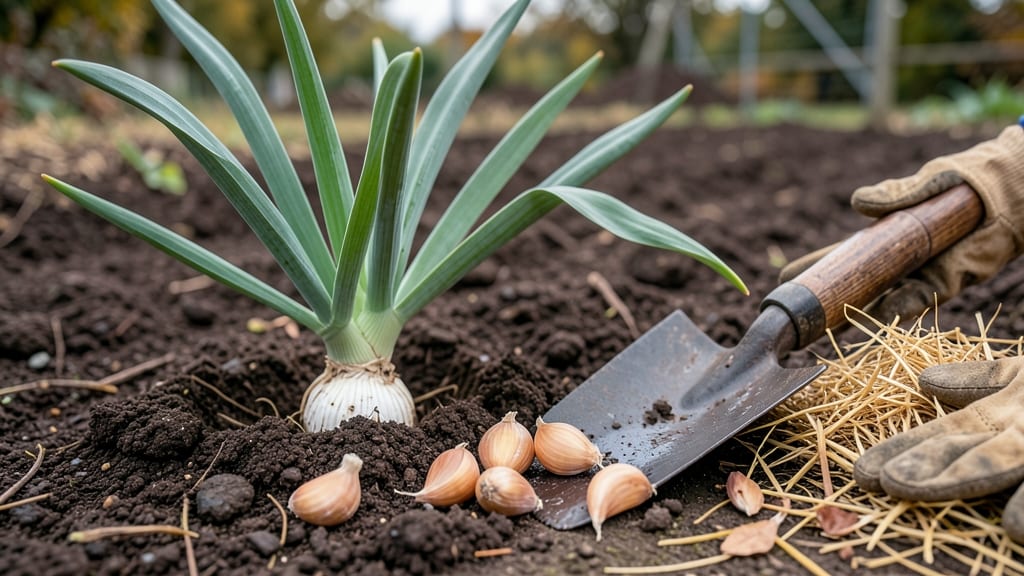
If you’ve ever planted garlic in South Florida only to watch it struggle or bolt in the heat, you’re not alone—timing is everything here.
Unlike colder climates, South Florida’s frost-free winters mean garlic thrives year-round, but planting it at the wrong time can turn your crop into a sad, underwhelming harvest.
The perfect window to plant garlic in South Florida is actually a narrow one: late fall, between October and November. This timing ensures your cloves get the cool, crisp air they need to root deeply before the summer heat kicks in.
Skip this window, and you risk weak bulbs—or worse, garlic that never matures.
Why does this matter? Because South Florida’s unique climate—warm soil, high humidity, and no frost—demands a different approach than traditional garlic-growing regions. I’ll break down the exact months to plant, how to adjust for coastal vs. inland zones, and the critical mistakes that ruin harvests here.
Ready to grow plump, flavorful garlic that’s actually worth the effort? Let’s dive into the zero-frost strategy that works for Florida’s climate—and why most gardeners get it wrong.
Best planting months for garlic in South Florida (with frost-free guarantee)
South Florida’s frost-free winters create a unique opportunity for growing garlic year-round, but timing still matters. Unlike northern climates, you don’t need cold exposure to form bulbs—just cool soil temperatures and moderate rainfall. The ideal window balances these factors for maximum yield.
Most gardeners in USDA Zones 10a-11 plant garlic between late September and November. This timing ensures cloves establish roots before summer heat arrives, while still allowing 120-150 days of growth before harvest. Miss this window, and you risk small, weak bulbs or even failure.
Here’s why October is prime time: Soil stays warm enough for root growth but cools slightly in late fall, mimicking garlic’s natural dormancy cycle. Coastal areas like Miami-Dade can plant slightly later (through early November), while inland zones near Orlando should aim for early October.
If you’re new to garlic growing, start with softneck varieties like Silverskin or Artichoke, which handle Florida’s heat better than hardneck types. These varieties store well and thrive in our humid, sandy soils when given proper care.
Pro tip: Use a soil thermometer to confirm temperatures between 60-70°F before planting. This range is perfect for root establishment without overheating the cloves.
🌱
| Planting Window | Soil Temp | Days to Harvest | Bulb Size | Best For |
|---|---|---|---|---|
| Late September | 65-70°F | 240-270 | Medium | Coastal zones |
| October | 60-68°F | 210-240 | Large | Inland zones |
| Early November | 58-65°F | 180-210 | Small | Late harvest |
While October is ideal, you can still plant in September or December with adjustments. September plantings need extra mulch to retain moisture, while December plantings may require shade cloth to protect from intense afternoon sun. Both methods work but yield smaller bulbs.
For year-round garlic, try a spring planting in February—this produces smaller bulbs but extends your harvest window. Just be prepared for higher humidity and pest pressure during summer months.
Always plant individual cloves (not whole bulbs) with the pointy end up, about 2 inches deep. Space them 4-6 inches apart in rows 12 inches apart for easy harvesting. This spacing prevents fungal diseases common in Florida’s damp climate.
After planting, apply a 2-3 inch layer of mulch (straw or pine needles work well) to keep soil moist and cool. This is especially critical in summer plantings, where soil can heat up quickly.
🌿
Best planting months for garlic in South Florida (with frost-free guarantee)
South Florida’s frost-free winters create a unique opportunity to grow garlic year-round, but timing is everything for large, flavorful bulbs. Unlike northern climates, you don’t need cold dormancy—just cool soil temperatures (60–70°F) to trigger bulb formation.
The sweet spot? Plant between mid-September and mid-November for harvests in April or May.
Garlic thrives in Florida’s USDA Zones 10a–11, where frost is nonexistent. However, planting too early (like August) risks heat stress before roots establish, while late planting (after December) may produce smaller bulbs due to summer heat accelerating growth.
Aim for 60–70°F soil temps—check with a soil thermometer or wait for short days and cooler nights.
| Planting Window | Soil Temp Goal | Harvest Month | Bulb Size Potential |
|---|---|---|---|
| Mid-September to October | 60–70°F | April–May | Large (2–3 oz) |
| November | 55–65°F | May–June | Medium (1–2 oz) |
| December (late) | 50–60°F | June–July | Small (<1 oz) |
For hardneck varieties (like Silverskin or Artichoke), prioritize October planting—these need cool nights (50–60°F) to form scapes (the prized garlic shoots). Softneck varieties (California White) are more flexible and can handle November starts for storage bulbs.
Pro tip: Use mulch (straw or leaves) to moderate soil temps. In coastal areas (Miami, Key West), where humidity is higher, plant slightly earlier (late September) to avoid fungal diseases. Inland (Orlando, Tampa), wait until mid-October to align with natural cooling.
Missed the fall window? Don’t panic! Spring planting (January–February) works for smaller bulbs, but they’ll mature by summer’s heat. For best results, stick to fall—it’s the only time garlic gets the ideal 240+ days to develop plump bulbs without summer stress.
Remember: No frost = no rush. Unlike northern gardeners, you’re not racing against winter. Instead, focus on soil prep (add compost for drainage) and spacing (4–6 inches apart). With the right timing, your garlic will reward you with bold flavor and zero frost worries.