
Plants
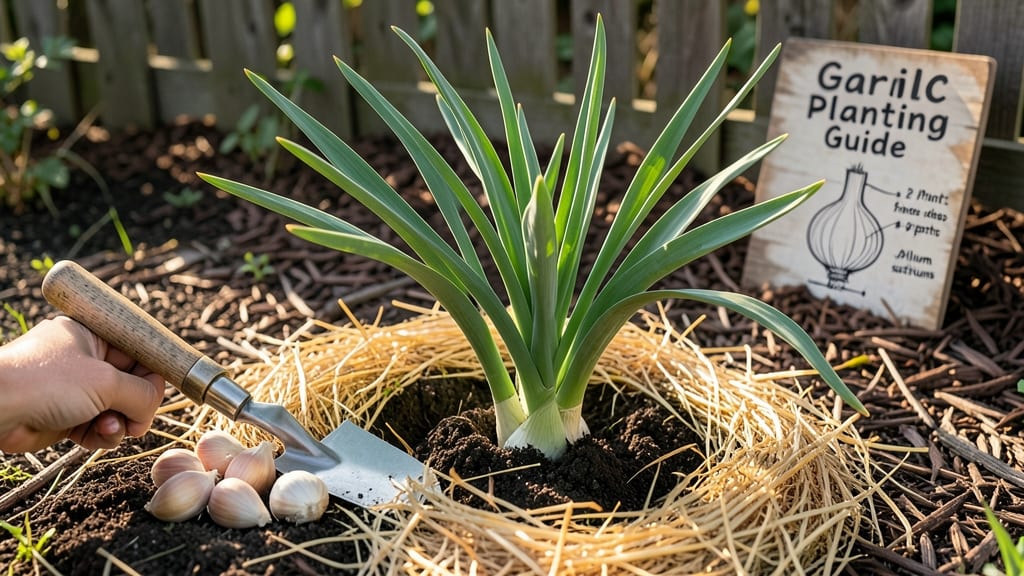
If you're dreaming of a homegrown harvest of 🧄 garlic but live in San Diego's unique climate, timing your planting just right could mean the difference between plump bulbs and disappointment.
Unlike colder regions, San Diego's mild winters let you grow garlic year-round—but there's still a perfect window to maximize your yield.
Most gardeners here plant in fall, but coastal areas and inland valleys have slightly different needs thanks to microclimates that can shift by just a few miles. I'll break down exactly when to plant for your specific zone, so you can avoid common mistakes like bolting or stunted growth.
You'll discover how to leverage San Diego's frost-free advantage, whether you're growing hardneck varieties for flavor or softneck for storage. The key is understanding how soil temperatures and seasonal rains interact with your garlic's growth cycle.
Ready to grow bigger, healthier garlic bulbs with minimal effort? Let's dive into the localized planting schedule that works for your backyard, whether you're in La Jolla or Chula Vista.
San Diego garlic planting calendar by microclimate Zone
San Diego’s diverse microclimates—from frost-free coastal areas to slightly cooler inland valleys—create unique planting opportunities for garlic. Unlike colder regions, you can grow garlic year-round here, but fall planting yields the largest bulbs with minimal stress.
The key is aligning your planting with soil temperatures (ideal: 60-65°F) and moon phases for optimal bulb development.
Coastal areas (like La Jolla or Encinitas) enjoy Zone 10 warmth year-round, while inland valleys (Escondido, Ramona) sit in Zone 9, and desert edges (e.g., Borrego Springs) hover near Zone 8.
These variations mean your planting window can shift by weeks. For example, coastal gardeners might plant as late as December, while inland areas should aim for October-November to avoid summer heat stress.
Here’s how to match your microclimate to the perfect planting window:
Why does timing matter so much? Garlic needs 120–180 days of cool weather to form bulbs. Planting too late in coastal areas might result in smaller bulbs due to winter warmth, while inland gardeners risk heat stress if planted after November.
For example, a November planting in Escondido will harvest in June, just as summer heat ramps up—ideal for avoiding bolting.
Pro tip: Use a soil thermometer to confirm temps before planting. Coastal soils often stay warm longer, so aim for October if your soil is above 65°F. Inland gardeners can push planting to mid-November but should cover beds with straw mulch to insulate roots.
Moon phases also play a role in San Diego’s garlic success. Planting during the waxing moon (when the moon is growing) encourages root development, while the waning moon is better for leafy growth.
Check a lunar calendar and align your planting with the waxing gibbous phase for the best bulb formation.
If you’re unsure about your microclimate, observe your garden’s behavior. Coastal areas near the ocean may have cooler nights even in summer, while inland spots can experience sudden heat spikes. Adjust your planting window accordingly—cooler pockets can handle later plantings, while hotter inland spots need earlier starts.
Remember, garlic planted in fall will harvest in late spring/early summer, just as San Diego’s temperatures rise. This timing helps bulbs mature before the heat of July and August, when garlic growth slows.
For a year-round harvest, you can even try a spring planting (February–March) in cooler microclimates, though yields may be smaller.
Start with hardneck varieties like ‘Silverskin’ or ‘Artichoke’ for fall plantings—they thrive in San Diego’s mild winters and produce flavorful scapes by spring. Softneck varieties like ‘California Early’ are better for spring plantings and store longer, making them ideal for gardeners who want garlic year-round.
Hardneck vs. softneck garlic: which thrives best in San Diego?
San Diego’s mild climate lets you grow both hardneck and softneck garlic, but each variety has distinct needs. Hardneck garlic thrives in cooler inland valleys (Zone 9), while softneck garlic handles coastal warmth (Zone 10) better. The difference isn’t just climate—it’s about flavor, harvest timing, and even how you’ll use your harvest. Hardneck varieties produce bold, pungent cloves with edible scapes (flower stalks), perfect for roasting or braiding. Softneck garlic, like Silverskin or Artichoke, stores longer and is ideal for cooking or braiding. In San Diego, softneck garlic often outperforms hardneck in coastal areas due to milder winters, but hardneck varieties can still succeed in higher-elevation inland gardens with proper timing. Pros and Cons of each variety in San Diego’s microclimates:Hardneck Garlic
- Pros: Stronger flavor, edible scapes, cooler-season adapted
- Cons: Needs winter chill (4-6 weeks below 50°F), shorter storage life
Softneck Garlic
- Pros: Longer storage (6+ months), milder climate tolerance, braiding-friendly
- Cons: Less pungent, no scapes, slower bulb development in heat
🌱 Best for: Hardneck = Inland valleys; Softneck = Coastal areas