
Companion Plants
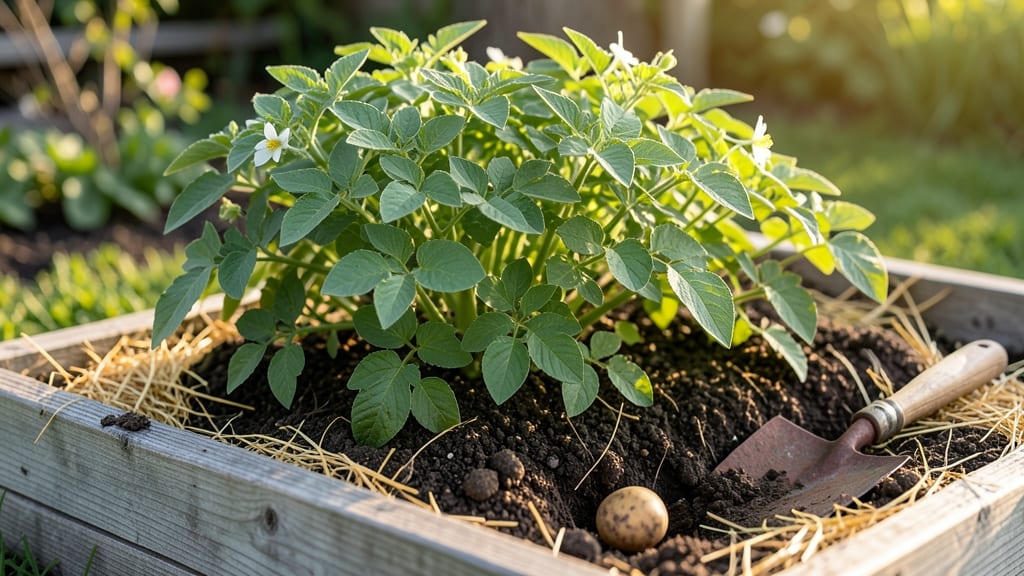
Figuring out when to plant potatoes in Zone 7 can make or break your harvest—get it wrong, and you might end up with frostbitten sprouts or stunted tubers. But here's the good news: with the right timing, you can enjoy a bumper crop of crisp, homegrown 🥔 by summer's end.
Zone 7 gardeners have a unique advantage with its mild winters and extended growing season. Unlike colder climates, you can actually plant potatoes as early as late winter or early spring, giving you two chances to grow them—once in February and again in March.
The key is planting 2-4 weeks before your last frost date (typically around March 15), so your potatoes have plenty of time to mature before summer heat sets in.
If you're new to potato growing, don't worry—this guide will walk you through everything from soil prep to choosing the right varieties for Zone 7's climate. We'll cover how to avoid common mistakes that lead to poor harvests, like planting too early (hello, frost!) or too late (bye-bye, summer harvest).
Ready to dig in? By the end, you'll know exactly when to plant for maximum yield, which varieties thrive in your area, and how to keep your potatoes growing strong until harvest time. Let's get those spuds in the ground!
Zone 7 potato planting calendar: exact weeks to avoid frost damage
In Zone 7, where last frost dates can vary from mid-March to early April depending on your specific location (Piedmont vs. Appalachian regions), timing your potato planting is critical. Plant too early, and frost will kill your sprouts.
Plant too late, and you risk blight or a shortened harvest window. The sweet spot? 2-4 weeks before your last frost date, with soil temperatures hitting 45°F (7°C) or warmer.
For most of Zone 7, this means starting seed potatoes in late February to early March. However, if you're in a cooler microclimate (like higher elevations), you might need to wait until mid-March.
Pro tip: Use a soil thermometer to confirm—potatoes won’t sprout until the soil warms up!
Here’s the key: Zone 7 gardeners can actually plant potatoes twice—once in early spring and again in late summer for a fall harvest. The second planting (around July) works because potatoes grow quickly (60-120 days to maturity) and can be harvested before the first frost in November.
| Planting Window | Last Frost Risk | Soil Temp | Harvest Window | Best Varieties |
|---|---|---|---|---|
| Late February - Early March | Low (after 2-4 weeks) | 45°F+ (7°C+) | July - Early September | Yukon Gold, Red Pontiac |
| Mid-March (cooler areas) | Moderate (watch forecasts) | 50°F+ (10°C+) | August - Mid-September | Kennebec, Fingerling |
| Late July (fall crop) | None (harvest before frost) | 55°F+ (13°C+) | October - November | Early Girl, Purple Viking |
🌱 Note: Adjust for your specific last frost date—check local weather averages!
If you’re planting in containers, start 2 weeks earlier—they warm up faster. Containers also let you move potatoes to warmer spots if frost threatens.
For in-ground planting, choose a spot with 6+ hours of sun and well-draining soil (sandy loam is ideal). Amend clay soil with compost to prevent rot.
One common mistake? Planting seed potatoes too deep. Aim for 4 inches deep, with 12 inches between rows. This gives tubers room to grow without competing for nutrients. Space plants 12-15 inches apart—crowding leads to small, misshapen potatoes and increases disease risk.
For a second crop, plant early-maturing varieties (like 'Early Rose') in July. These can be harvested by October before the first frost. Just be sure to use sterile soil or fresh containers to avoid carrying over diseases from your spring crop.
Pro move: Use straw mulch after sprouts emerge to keep soil cool and moist. This also prevents greening (toxic solanine buildup) when potatoes are exposed to sunlight. And always rotate crops—never plant potatoes in the same spot two years in a row to prevent disease buildup.
Remember: Potatoes need consistency. Too much water early on = weak roots. Too little later = small tubers. Aim for 1-2 inches of water per week, and water in the morning to reduce fungal diseases like blight.
If your summer is dry, consider drip irrigation to keep soil evenly moist.
Finally, mark your calendar for harvest time. Early varieties are ready in 60-90 days, while late varieties take 100-120 days. Look for yellowing foliage and hardened skins—these are your cues! Dig a few test potatoes to check size before harvesting the whole patch.
How to adjust planting for early vs. late varieties in Zone 7
Choosing the right potato varieties for Zone 7 is half the battle—planting them at the perfect time maximizes your harvest. Early varieties like Yukon Gold mature in just 60-90 days, while late varieties like Russet Burbank need 100-120 days.
This means timing matters just as much as variety selection.
In Zone 7, where last frost dates range from mid-March to early April, early varieties should go in the ground 2-4 weeks before your local last frost.
Late varieties, however, need a later start—April 15 to May 1—to avoid blight risks from summer humidity and ensure tubers mature before first frost in November.
| Variety Type | Days to Maturity | Zone 7 Planting Window | Best For |
|---|---|---|---|
| Early (e.g., 'Yukon Gold') | 60-90 days | February 15 - March 15 | Spring harvests, fresh eating |
| Mid-Season (e.g., 'Red LaSoda') | 90-110 days | March 15 - April 15 | Storage potatoes, versatile use |
| Late (e.g., 'Russet Burbank') | 100-120 days | April 15 - May 1 | Fall harvests, baking |
For early varieties, aim to plant in late February to mid-March so they’re ready to harvest by June or July—just in time for summer meals. This also avoids the late-summer blight that plagues many Zone 7 gardens.
Meanwhile, late varieties planted in April will mature by September or October, giving you a second harvest before frost.
Pro tip: Use row covers for early plantings to protect against late frost surprises. For late varieties, focus on well-draining soil to prevent rot from summer rains. Both strategies help you extend your growing season without risking your crop.
Don’t overlook soil temperature—potatoes thrive when soil reaches 45°F (7°C). In colder Zone 7 microclimates (like higher elevations), wait until soil warms up in late March, even if frost dates suggest earlier planting. A soil thermometer is your best friend here!
Finally, rotate your planting spots yearly to prevent disease buildup. Early varieties in one bed can be followed by late varieties in a different spot, giving you two harvests per season with minimal risk. Just remember: timing is everything—and Zone 7’s climate rewards precision.