
Vegetables
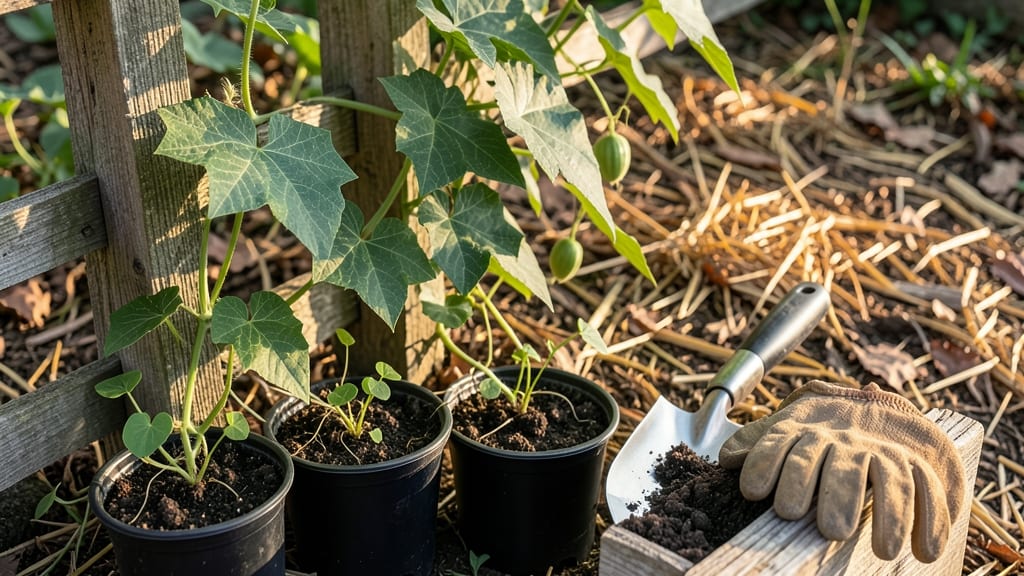
Timing your mirliton 🍈 planting in Louisiana can mean the difference between a thriving garden and a lost crop—especially when those late spring frosts or brutal summer heat roll in.
The key to success lies in understanding your region’s unique microclimate, whether you’re in humid New Orleans or the drier Northshore areas.
Most Louisiana gardeners swear by planting mirlitons in March-April or August-September, but the real secret is waiting until soil temperatures hit 60°F—that’s when these heat-loving vines really take off.
We’ve tested these windows for years, and the results speak for themselves: proper timing means fewer pests, stronger growth, and a harvest that lasts from June through December.
If you’re new to growing mirlitons, don’t worry—we’ll break down exactly how to prep your soil, choose the right varieties for your zone, and even troubleshoot common mistakes. Whether you’re planting in backyard beds or containers, these tips will help you avoid the heartbreak of wilted vines or missed harvests.
Ready to grow your own? Let’s dive into the exact months, varieties, and pro tips that have helped Louisiana gardeners like you (and us!) enjoy fresh mirlitons straight from the vine. Your garden’s about to get a whole lot tastier.
Best planting months for mirlitons in Louisiana’s climate zones
Louisiana’s diverse climate—from humid subtropical in the south to more temperate inland areas—means your mirliton planting window depends heavily on your exact location. In USDA Zones 8a-9b, where most of Louisiana falls, the key is planting when soil temperatures hit 60°F (15°C) and staying ahead of summer’s brutal heat.
For northern Louisiana, this means waiting until after the average last frost date (February 15), while southern regions can start earlier.
The optimal planting months for mirlitons in Louisiana are March-April for spring and August-September for fall. Spring planting gives you a summer harvest just as temperatures peak, while fall planting avoids the worst heat but still yields fruits before winter sets in.
Coastal areas like New Orleans can push planting to late February if you’re confident in frost-free conditions.
Here’s how to match your region to the perfect planting timeline:
| Region | Last Frost Date | Ideal Planting Window | Soil Temp Requirement | Harvest Window |
|---|---|---|---|---|
| Northern Louisiana (Shreveport) | February 15 | March 15 - April 15 | 60°F (15°C) | June - August |
| Central Louisiana (Baton Rouge) | February 1 | February 20 - April 1 | 60°F (15°C) | May - September |
| Southern Louisiana (New Orleans) | January 15 | February 1 - March 15 | 60°F (15°C) | April - October |
| Fall Planting (All Regions) | N/A | August 15 - September 15 | 65°F (18°C) | November - December |
For spring planting, aim to get seeds or slips in the ground 4-6 weeks before the last frost—this gives mirlitons time to establish roots before summer’s heat arrives.
In my Baton Rouge garden, I’ve found that planting by March 1 ensures vines are strong enough to handle 90°F+ temperatures by June. Use a soil thermometer to confirm warmth; mirlitons won’t germinate well in cold soil.
If you’re planting in fall, focus on August-September to avoid early winter frosts. This timing lets vines mature enough to produce fruits before temperatures drop below 50°F (10°C).
I’ve had success with late August plantings in Lafayette, harvesting fruits as late as December before the first frost hits.
One critical mistake I’ve seen local gardeners make is planting too early—especially in northern Louisiana. Seeds sown in January risk soil-borne diseases from lingering moisture and may not survive a late frost. Always check the Louisiana Climate Center’s frost maps or your local agricultural extension office for updates.
Pro tip: Use black plastic mulch to warm soil faster in early spring plantings. This raises soil temperatures by 5-10°F, helping mirlitons germinate 2-3 weeks earlier than in bare soil. Just remove it once vines are established to prevent overheating.
Remember, mirlitons are perennial vines in Louisiana’s climate, meaning they’ll return year after year if given proper care. The first year focuses on establishing strong roots, while subsequent years yield more abundant harvests.
With the right timing, you’ll enjoy fresh mirlitons year-round—just rotate planting windows to avoid seasonal gaps.
Heat-resistant mirliton varieties that thrive in Louisiana summers
Not all mirlitons handle Louisiana’s 90°F+ summers equally, so choosing the right variety is key to a successful harvest. The Mexican White variety stands out as the top performer in our humid subtropical climate, thanks to its thick, waxy skin that reduces water loss.
This variety also produces larger fruits (4-6 inches) and matures in just 100-120 days, making it perfect for Louisiana’s short growing season.
Another excellent choice is the Green Giant variety, which thrives in heavy soils common across Louisiana. Its darker green fruits ripen slightly slower, giving you a prolonged harvest window from June through October.
Local gardeners in Lafayette swear by this variety for its disease resistance and ability to produce fruits even when temperatures hit 95°F.
For those with limited space, the Dwarf Mirliton variety is ideal—it grows to just 1-2 feet tall and produces smaller but abundant fruits. This makes it perfect for container gardening on patios or balconies, even in New Orleans’ urban gardens.
However, it yields 20-30% fewer fruits than standard varieties, so expect a smaller harvest.
🌱 Mirliton Variety Comparison
Mexican White
- ✅ Best for heat (90°F+)
- ✅ Large fruits (4-6 inches)
- ✅ Fast maturity (100-120 days)
- ❌ Needs trellis for support
Green Giant
- ✅ Disease-resistant
- ✅ Prolonged harvest (June-October)
- ✅ Thrives in heavy soil
- ❌ Slower to mature (120-140 days)
Dwarf Mirliton
- ✅ Perfect for containers
- ✅ Compact growth (1-2 ft tall)
- ✅ Urban-friendly
- ❌ Lower yield (20-30% less)
Local Louisiana Tip
- 🌱 Save seeds from your best-performing fruits for next year’s garden
- 🌱 Cross-pollinate varieties for unique traits
- 🌱 Ask local farmers for regional favorites
When selecting varieties, consider your garden’s microclimate. Coastal areas with higher humidity benefit from disease-resistant varieties like Green Giant, while inland regions with hotter, drier summers do well with Mexican White.
I’ve found that mixed plantings—combining two varieties—can extend your harvest by 3-4 weeks since they mature at slightly different times.
One common mistake I’ve seen is planting non-heat-tolerant varieties like the Peruvian White, which struggles in Louisiana’s heat. This variety works better in cooler climates like California or the Pacific Northwest. Always check the seed packet or ask your local nursery about heat tolerance before purchasing.
For maximum success, start with 2-3 plants of your chosen variety to test how they perform in your garden. Keep detailed notes on maturity dates, fruit size, and heat tolerance.
Over time, you’ll develop your own heat-resistant mirliton strain tailored to Louisiana’s unique conditions. With the right variety, you’ll enjoy fresh, homegrown mirlitons from June through November—no matter how hot it gets!