
Plants
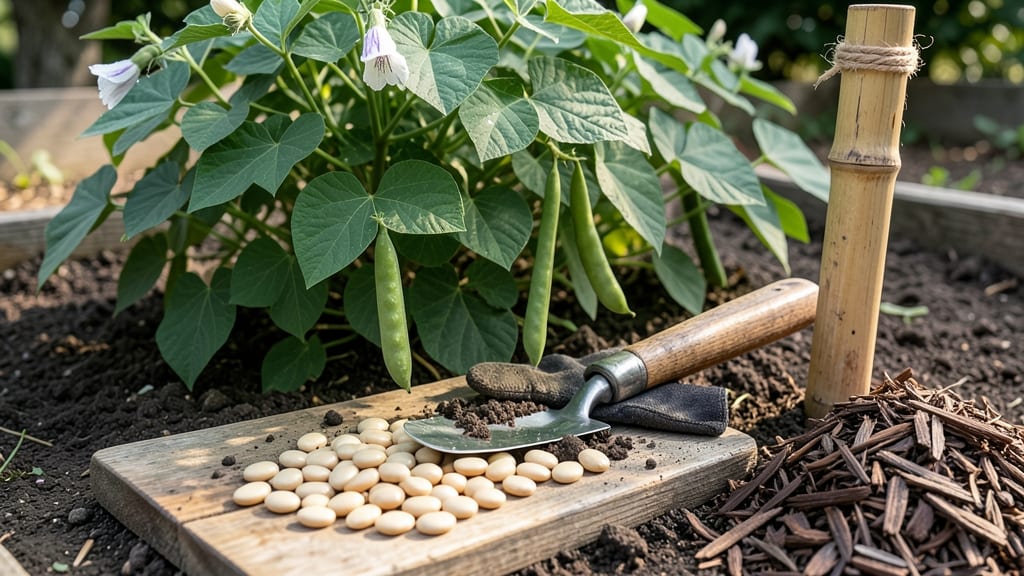
Timing your lima bean planting in Zone 9 could mean the difference between a thriving garden and wasted effort—especially when you're working with a short frost-free window. These warm-season lovers need the right conditions to take off, and getting the schedule wrong can leave you with stunted plants or no harvest at all.
Most gardeners in Zone 9b make the mistake of planting too early, when soil temperatures are still cool. Lima beans 🌱 only germinate well when the ground reaches at least 60°F, and rushing them can lead to poor root development.
The ideal window opens in late February to early March, but even then, microclimates play a role—coastal areas may be ready sooner than inland spots.
What you’ll discover here are the exact cues to watch for—from soil warmth to daylight length—and the three planting mistakes that slow growth in warm climates. Whether you’re growing bush or pole varieties, these insights will help you time your planting for a faster, more abundant harvest.
Ready to avoid the common pitfalls? Let’s break down the best months, temperature guidelines, and even how to extend your growing season for multiple harvests—without the guesswork.
Best planting times for lima beans in Zone 9 (with temperature guidelines)
Lima beans love the warmth of Zone 9, but timing is everything. Unlike cool-season crops, these heat-loving legumes need soil temperatures above 60°F to sprout—and 70°F+ for optimal growth.
In Zone 9, your best window is late February to early April, when daytime temps consistently stay above 65°F. This aligns with your 275 frost-free days, ensuring no surprise chills will stunt young plants.
For pole varieties (like 'Fordhook'), aim for early March to give vines time to establish before summer heat peaks. Bush types ('Henderson') can handle slightly later plantings—mid-March to early April—since they mature faster (60-75 days).
Both types benefit from black plastic mulch to warm soil faster in cooler microclimates (like inland valleys).
Here’s the golden rule: Never plant lima beans before your last frost date (typically mid-December in Zone 9b, but high desert areas may see frosts into January).
Cold soil slows germination, and young seedlings can rot. Use a soil thermometer to confirm temps—wait until readings hit 65°F at 2 inches deep for reliable sprouting.
Pro tip: Succession plant every 2-3 weeks through May to stretch your harvest. Late plantings (June+) may struggle with summer’s intense heat, especially if daytime temps exceed 95°F. Provide afternoon shade cloth (30-50%) during peak heat to protect pods from sunscald.
🌱
| Planting Stage | Zone 9 Timeline | Soil Temp Requirement | Key Cues |
|---|---|---|---|
| First Planting | Late February - Early March | 65°F+ (2" deep) | Daytime temps >65°F, no frost risk |
| Succession Plantings | Every 2-3 weeks through May | 70°F+ (2" deep) | Soil warm to touch, active pollinators present |
| Last Planting | Early June (high elevations) | 60°F+ (min) | Avoid planting after July 15—heat stress reduces yield |
| Harvest Window | May - August (staggered) | N/A | Pods 4-6" long, firm but tender |
Zone 9’s long growing season lets you experiment with fall plantings too! Try sowing late summer (August) for a fall harvest—just use heat-tolerant varieties like 'Christmas' or 'King of the Garden'.
These hold up better when daytime temps drop to 75°F by September. For container growers, black pots absorb heat faster than red/white, giving seedlings a 2-3 day head start on germination.
Watch for microclimate differences: Coastal areas (e.g., San Diego) can plant 2 weeks earlier than inland deserts (e.g., Phoenix). Test your soil’s moisture retention—sandy soils dry out faster and may need drip irrigation to maintain 1-2 inches of water weekly.
Mulch with straw or wood chips to keep roots cool and conserve moisture during Zone 9’s dry spells.
💧
Variety matters! 'Bush Baby' lima beans mature in 60 days, making them ideal for early spring or late summer plantings. 'Purple King' (a pole bean) takes 80 days but thrives in hotter June plantings if given afternoon shade. Always check seed packets for days-to-maturity and adjust your planting schedule accordingly. For example, a 60-day variety planted in early April will harvest in mid-May, while the same planted in mid-May may bolt before producing pods.
🌿
Best planting times for lima beans in Zone 9 (with temperature guidelines)
Lima beans are warm-season crops that demand precise timing in Zone 9 to thrive. Unlike cool-season vegetables, they won’t tolerate even light frost, so planting too early can stunt growth or kill seedlings outright.
The ideal window spans from late February to early March, but soil temperature is your true guide—not just the calendar.
For healthy germination, the soil must reach at least 60°F, but 70°F+ accelerates growth. In Zone 9b, where winters are mild, you can start seeds indoors 4-6 weeks before the last frost date (around December 15).
However, direct sowing outdoors should wait until soil warms naturally, typically by mid-March.
Here’s the key: Bush lima beans mature faster (60-75 days) than pole varieties (80-90 days), so adjust your schedule accordingly. For example, plant bush beans in late February for an early harvest, while pole beans may need a March start to avoid crowding.
| Stage | Action | Notes |
|---|---|---|
| Soil Prep | Test pH (6.0-6.8) | Add compost for fertility |
| Indoor Start | 4-6 weeks before last frost | Use seed trays with heat mat |
| Outdoor Planting | After soil hits 60°F+ | Direct sow 1-2 inches deep |
| Harvest Window | 60-90 days after planting | Pick pods at 4-6 inches long |
Microclimates in Zone 9 can shift planting times by 2-4 weeks. Coastal areas with cooler nights may need to wait until April, while inland zones can start earlier. A simple soil thermometer (under $10) removes the guesswork—plant only when readings consistently hit 70°F+.
For fall harvests, succession planting is key. Sow a second batch in late May to catch the longer daylight of summer, ensuring pods mature before temperatures drop. This works best with heat-tolerant varieties like ‘Fordhook’ or ‘Christmas’ lima beans.
Pro tip: Use black plastic mulch to raise soil temps by 5-10°F, speeding germination in cooler microclimates. Remove it once plants establish to prevent overheating.