
Planting
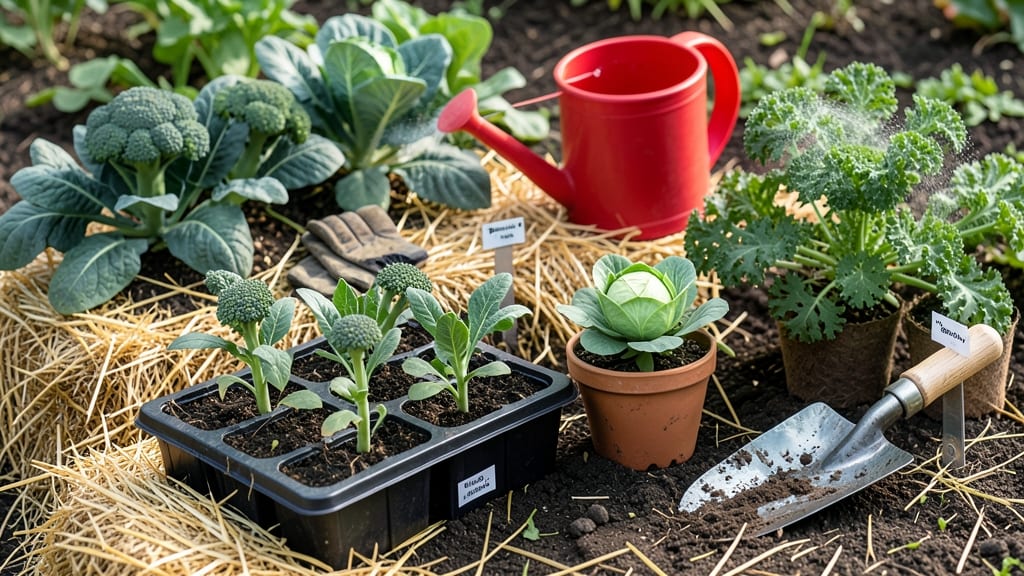
Planting your fall garden in Central Texas at the wrong time can mean the difference between a bountiful harvest and wasted effort.
The key window—mid-August to early October—is your golden opportunity to grow hardy vegetables before winter sets in, but missing these dates could leave you with stunted plants or frost-damaged crops.
I’ve seen too many gardeners rush into fall planting without checking soil temperatures or first-frost dates, only to watch their seeds fail. Central Texas’s unique climate demands precision: too early, and the heat zaps your seedlings; too late, and frost ruins your efforts before harvest.
Let me show you exactly how to time it right for maximum success.
Beyond dates, you’ll need to know which crops thrive in this region’s 8a zone—leafy greens like kale, root veggies such as carrots, and brassicas like broccoli all have their own ideal planting windows.
I’ll break down the critical mistakes to avoid, from skipping soil prep to ignoring heat retention tricks that keep your garden productive through December.
Ready to turn your fall garden into a thriving oasis? Stick around—I’ll walk you through the exact steps to plant, nurture, and harvest like a pro, even when Central Texas throws its usual curveballs your way.
Fall planting timeline for Central Texas: exact dates by vegetable type
Central Texas gardeners have a narrow but critical window to plant fall gardens—typically between mid-August and early October. This timing ensures your crops mature before the first frost, which usually hits around December 1 in Austin, San Antonio, and Waco.
Missing these dates can leave you with bitter greens or stunted root vegetables, so let’s break down the exact timing for your favorite fall crops.
For cool-season vegetables like lettuce, spinach, and kale, aim to plant 6-8 weeks before the first frost.
This means starting seeds indoors in early September or direct-sowing by mid-September. Root vegetables such as carrots, beets, and radishes are more forgiving and can be planted until early October, giving them time to mature before winter sets in.
Warm-season holdovers like tomatoes, peppers, and eggplants need extra attention. Plant these by mid-August at the latest to ensure they have enough time to produce fruit before cooler temperatures slow their growth. These crops thrive in Central Texas’s heat but struggle when nighttime temperatures dip below 50°F.
Now, let’s get specific with a planting timeline that aligns with Central Texas’s unique climate. The table below outlines the best planting windows, frost considerations, and ideal harvest periods for popular fall crops.
If you’re in higher elevations like the Hill Country, adjust your planting timeline slightly earlier—frost can arrive as early as November 15. Conversely, areas near the Gulf Coast, like Victoria, may have a 10-14 day later frost date, giving you a bit more flexibility.
Always check your local USDA Zone 8a frost charts for precision.
Pro tip: Use row covers or cold frames to extend your harvest window. These tools can protect tender crops like lettuce and spinach from light frost, allowing you to enjoy fresh greens well into December. Just be sure to remove them during the day to prevent overheating.
For succession planting, sow quick-growing crops like radishes or lettuce every 2-3 weeks after your initial planting. This ensures a continuous harvest and maximizes your garden’s productivity.
For example, plant a batch of radishes in early September, another in mid-September, and a final batch in early October for a staggered harvest.
Don’t forget to test your soil temperature before planting. Most cool-season crops thrive when soil temps are between 45°F and 75°F. Use a soil thermometer to avoid planting too early when residual summer heat can stunt seed germination.
If your soil is still too warm, wait a few days or use shade cloth to cool it down.
By following this timeline, you’ll avoid the three deadly mistakes that sabotage fall gardens in Central Texas: planting too late, ignoring frost dates, and choosing crops that aren’t suited for cooler temperatures. Next, we’ll dive into those mistakes and how to fix them so your fall garden thrives.
Fall planting timeline for Central Texas: exact dates by vegetable type
Central Texas's fall planting window runs from mid-August to early October, but timing varies by crop. The key is planting 6-8 weeks before your first frost—typically around December 1st for Austin, San Antonio, and Waco.
For example, leafy greens like spinach and kale need this head start, while broccoli and carrots can handle slightly cooler soil.
Your soil temperature is just as critical as dates. Most cool-season crops thrive when soil temps drop below 85°F but stay above 50°F. Use a soil thermometer to check—if it’s still hotter than 90°F, wait a week or two.
Warm-season holdovers like tomatoes and peppers should be planted by late August to mature before frost.
Here’s a region-specific breakdown for Austin, San Antonio, and Waco. While frost dates are similar, microclimates can shift planting windows by 1-2 weeks. For instance, San Antonio’s slightly warmer nights may allow a 10-day extension for late plantings like radishes or turnips.
| Crop Type | Planting Window | Days to Harvest | Notes |
|---|---|---|---|
| Leafy Greens (Lettuce, Spinach, Kale) | Late August – Mid-September | 30–50 days | Bolt-resistant varieties preferred |
| Root Vegetables (Carrots, Beets, Radishes) | Mid-August – Late September | 40–70 days | Loose, well-drained soil required |
| Brassicas (Broccoli, Cauliflower, Cabbage) | Late August – Early October | 60–90 days | Head start with transplants |
| Warm-Season Holdovers (Tomatoes, Peppers, Eggplant) | Late July – Late August | 60–120 days | Use fast-maturing varieties |
*Adjust for microclimates: Urban areas may frost earlier than rural zones.
For succession planting, schedule radishes or bush beans every 2 weeks starting in August. These quick growers (30–50 days) ensure a steady harvest before frost. Meanwhile, slow growers like cabbage should be your last planting—aim for early September to avoid bolting in heat.
Don’t forget soil prep! Central Texas soil retains heat longer, so till in compost and aged manure 2–3 weeks before planting. This improves moisture retention and cools the soil faster. A mulch layer of straw or leaves also helps regulate temperature and suppress weeds.
Pro tip: Use a planting calendar with your local first frost date as the anchor. For Austin, mark December 1st on your calendar and count backward. For San Antonio, add 3–5 days to account for slightly warmer nights. Waco’s cooler pockets may need you to plant 1 week earlier.