
Plants
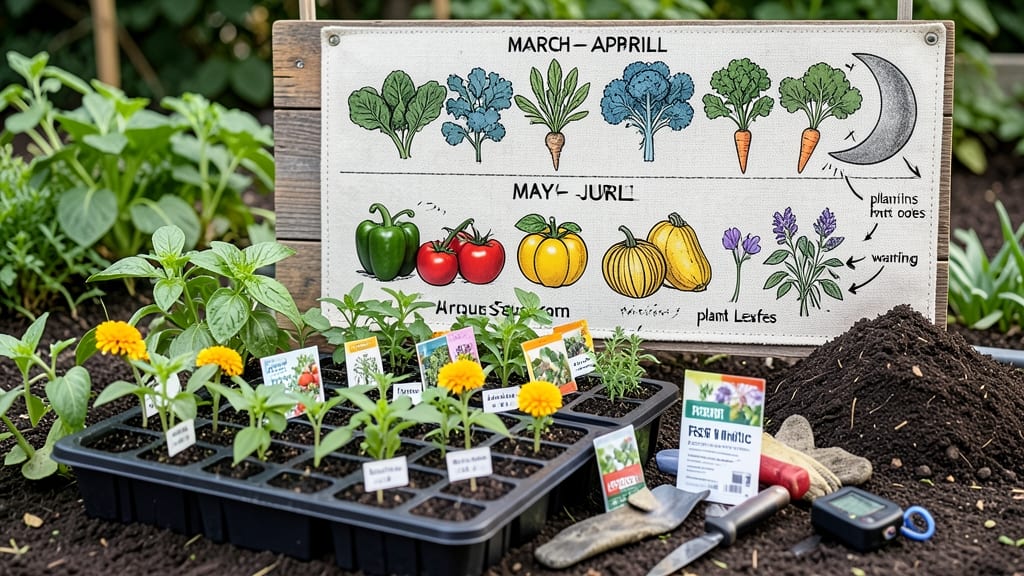
Timing your garden right in Western North Carolina can feel like solving a puzzle—one wrong move, and your plants either freeze or bolt before you even get to taste them.
The 6b-7a zones here mean frost dates shift dramatically from Asheville’s chilly valleys to Charlotte’s warmer foothills, making a one-size-fits-all approach a recipe for disappointment.
I’ve spent years watching gardens thrive (and fail) in this region, and the key isn’t just memorizing dates—it’s understanding how elevation and microclimates rewrite the rules.
Whether you’re planting cool-season greens in March or warm-season tomatoes after the last frost, knowing when to plant in Western NC means the difference between a bountiful harvest and a sad, half-dead garden.
Let’s break down the science behind your local frost dates, the best months for everything from broccoli to peonies, and how to adjust for those tricky high-altitude spots where spring arrives weeks later than the calendar suggests. Spoiler: Your neighbor’s planting schedule might not work for you—and that’s okay.
By the end, you’ll have a customizable calendar that accounts for your specific corner of Western NC, plus pro tips to stretch your growing season naturally. Ready to turn your garden from guesswork to gold?
Western NC planting zones: how microclimates affect your schedule
Western North Carolina’s USDA zones 6b-7a create unique challenges for gardeners, especially when elevation changes dramatically over short distances. In Asheville, for example, the last spring frost often hits April 15, while Boone—just 70 miles away—can experience frost as late as May 1.
These differences mean your planting schedule should shift based on whether you're gardening in the Piedmont foothills or the mountain valleys.
Understanding your microclimate is key. Mountainous areas like Waynesville or Brevard tend to have cooler temperatures and later frost dates, while lower-elevation spots near Hickory or Concord enjoy warmer springs.
Even within a single county, a south-facing slope can be 2-3 weeks earlier to warm up than a north-facing valley.
Here’s how to determine your specific planting zone and adjust your schedule accordingly:
| Region | USDA Zone | Avg. Last Frost | Avg. First Frost | Key Adjustments |
|---|---|---|---|---|
| Piedmont (e.g., Concord, Hickory) | 7a | March 20-April 5 | October 20-November 5 | Plant warm-season crops 1-2 weeks earlier than mountains |
| Mountains (e.g., Asheville, Waynesville) | 6b | April 1-April 15 | October 15-November 1 | Wait 2-3 weeks longer for warm-season starts; use row covers for early crops |
| High Elevation (e.g., Boone, Blowing Rock) | 6a | April 15-May 1 | September 30-October 10 | Prioritize cold-hardy crops; extend season with cold frames |
| Valleys (e.g., Spruce Pine, Burnsville) | 6b-7a | March 25-April 10 | October 10-November 1 | Watch for late frosts; plant heat-lovers like peppers early |
If you’re unsure about your exact frost dates, check the National Weather Service or local Cooperative Extension Service records. For Asheville, for instance, the last frost averages April 15, but in 2021, it hit as late as May 5.
Planning for these 10-year outliers can save your tomato plants!
Another trick is to observe your neighbors’ gardens. If their peas or lettuce are already flowering by early April, you’re likely in a warmer microclimate and can push your planting dates. Conversely, if blueberries bloom late, you’re probably in a cooler zone.
For container gardening, microclimates matter less, but you’ll still want to align with your local last frost date. Containers warm up faster in full sun, so you can often plant warm-season crops like basil or cucumbers 1-2 weeks earlier than in-ground gardens.
Pro tip: Mark your calendar with three key dates—your average last frost, a conservative buffer date (2 weeks later), and your first frost date. This gives you a flexible window to adjust for unexpected weather.
For example, if your average last frost is April 15, but you’re planting heat-sensitive tomatoes, wait until May 1 to ensure safety.
Remember, elevation isn’t the only factor. Large bodies of water, urban heat islands, and even tree canopies can shift your microclimate. If you’re gardening near Lake Lure or the French Broad River, you’ll experience milder winters and can plant tender perennials like oleander or bougainvillea with greater success.
Finally, keep a gardening journal for at least 2-3 years to track your local patterns. Note when your frost hits, how long tomatoes take to ripen, and which perennials survive winter. Over time, you’ll build a custom planting schedule tailored to your specific Western NC microclimate. 🌱
Month-by-month planting calendar for common Western NC vegetables & flowers
Western NC’s 165-200 frost-free days demand precision—plant too early, and a late frost will kill tender seedlings; too late, and your tomatoes won’t ripen before fall.
The key is aligning your schedule with last frost dates (March 15-April 15) and first frost dates (October 15-November 15), while accounting for elevation. For example, Asheville’s high-altitude areas may have 2-3 weeks later last frosts than Charlotte suburbs.
Below is your actionable month-by-month guide for vegetables, flowers, and perennials that thrive in Western NC’s USDA zones 6b-7a. I’ve included notes for high-altitude adjustments (e.g., Boone, Waynesville) and heat-sensitive crops that need early starts.
🌱 Pro Tip: Use row covers or cold frames to extend early spring plantings by 2-4 weeks in frost-prone valleys.
| Month | Cool-Season Crops (Direct Sow) | Warm-Season Crops (Start Indoors) | Flowers & Perennials | Notes for Western NC |
|---|---|---|---|---|
| February | Peas, Spinach, Lettuce | Tomato, Pepper, Basil (start indoors) | Pansies, Calendula, Snapdragons | High-altitude areas: Wait 2-3 weeks. |
| March | Broccoli, Cabbage, Carrots, Radishes | Hardening off seedlings | Violas, Sweet Alyssum, Dianthus | Plant cool crops 4-6 weeks before last frost. |
| April | Green Beans, Kale, Swiss Chard | Transplant tomatoes, peppers, squash | Marigolds, Zinnias, Coneflowers | Wait until soil temps >50°F for warm crops. |
| May | Succession plant lettuce, radishes | Cucumbers, Eggplant, Okra | Lavender, Russian Sage, Black-Eyed Susan | High heat? Use shade cloth for seedlings. |
| August | Spinach, Arugula, Radishes (fall crops) | Start broccoli, cabbage indoors | Mums, Asters, Goldenrod | Fall planting window opens—act fast! |
| September | Kale, Brussels Sprouts, Turnips | Transplant fall tomatoes (if temps allow) | Sweet Peas, Delphiniums | Last chance for warm-season crops in Piedmont. |
For high-altitude areas (e.g., Asheville, Boone), delay warm-season crops by 2-3 weeks—your last frost may hit April 15-May 1. Conversely, Piedmont regions (e.g., Charlotte suburbs) can plant warm crops 1-2 weeks earlier due to milder springs.
🌿 Heat-Loving Crops: Tomatoes, peppers, and squash need consistent soil temps above 60°F. Use black plastic mulch to warm soil faster in cooler microclimates.
Need a customized schedule? Check your local Cooperative Extension Service for hyper-local frost data—every valley has its own rhythm. For example, Land-of-Sky Regional Airport (Asheville) averages last frosts 10 days later than Charlotte Douglas Airport.