
Plants
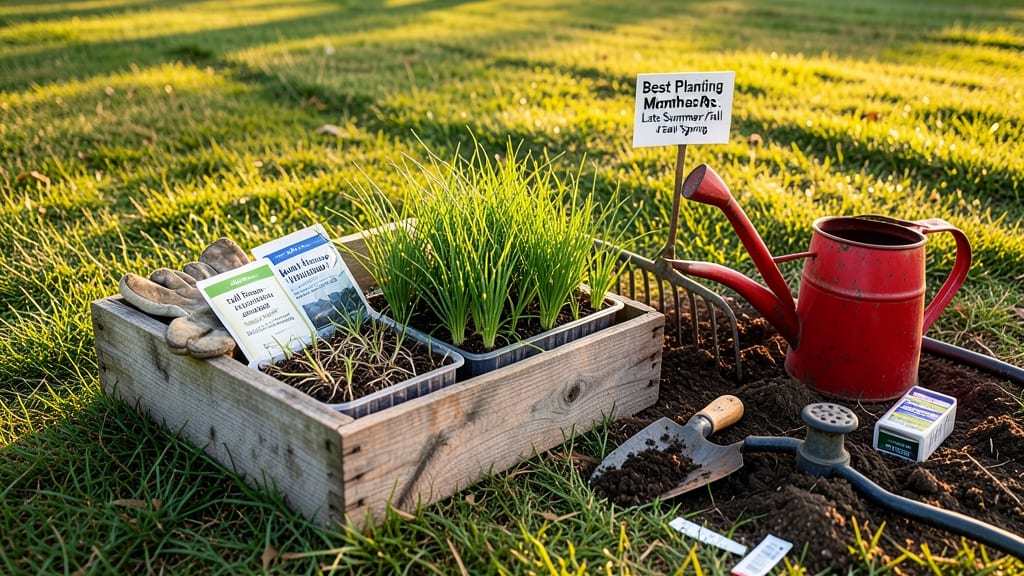
Timing your grass planting in North Carolina can make or break your lawn—plant too early or late, and you’re left with patchy, weed-prone turf that costs more to fix than it should.
The 6a-8b zones here mean your neighbors’ perfect lawn might be failing because they missed the ideal spring (March–May) or fall (August–September) windows.
I’ve seen firsthand how a 2-week difference in planting can turn a lush green yard into a battleground against crabgrass.
Whether you’re seeding a new lawn or overseeding an existing one, knowing when to act—before the last frost (mid-April in coastal areas, early May in the mountains)—is the key to thick, healthy grass that crowds out weeds naturally.
But here’s the catch: not all grass is created equal. Cool-season varieties like fescue and Kentucky bluegrass thrive in those early windows, while warm-season grasses like Bermuda and zoysia need the heat of late spring or early summer.
I’ll break down exactly which type suits your region and how to adjust your schedule for maximum success—even if you’ve missed the perfect timing.
Let’s cut through the guesswork so you can plant with confidence, save money, and enjoy a lawn that’s the envy of the neighborhood—without the headaches. Ready to get started?
North Carolina grass planting Zones: exact deadlines by region (2024)
North Carolina’s diverse climate—from the humid coastal plains to the cooler mountain regions—means your grass planting window depends heavily on where you live. Missing these deadlines can lead to slow germination, weed competition, or even seed failure due to extreme heat or cold.
Let’s break down the optimal planting months for each of NC’s key zones, including soil prep timing and weather risks to avoid.
For most of North Carolina, the best time to plant grass falls in two key windows: early spring (March–April) and early fall (August–September). These periods offer moderate temperatures, consistent moisture, and minimal weed pressure.
However, the exact timing shifts depending on whether you’re growing cool-season grasses (like fescue or bluegrass) or warm-season grasses (like Bermuda or zoysia).
Here’s the critical detail: Coastal NC (Zones 8a–8b) can plant warm-season grasses as early as March, while mountain regions (Zones 6a–7a) should wait until late April or early May to avoid frost damage.
The Piedmont region (Zones 7a–7b) sits in the middle, with a flexible window from March to early June for cool-season types.
🌱 North Carolina Grass Planting Deadlines by Region
| Region | USDA Zone | Cool-Season Grass Window | Warm-Season Grass Window | Soil Prep Time | Avoid Planting If |
|---|---|---|---|---|---|
| Coastal Plains | 8a–8b | Aug–Sept (Fall) or Feb–March (Spring) | March–April | 2–4 weeks before planting | Temps >85°F or <40°F |
| Piedmont | 7a–7b | Aug–Sept (Fall) or March–May (Spring) | April–May | 3–5 weeks before planting | Temps >90°F or <35°F |
| Mountains | 6a–7a | Aug–Sept (Fall) or April–June (Spring) | Late May–June | 4–6 weeks before planting | Temps >80°F or <30°F |
💡 Pro Tip: Use a soil thermometer—ideal germination temps are 60–75°F for cool-season grasses and 75–90°F for warm-season types.
If you’re in the coastal zone (Zones 8a–8b), warm-season grasses like Bermuda or zoysia can handle early spring planting, but avoid seeding after May 15—summer heat will stress young seedlings.
For cool-season grasses like tall fescue, aim to plant by September 15 to ensure roots establish before winter dormancy.
In the Piedmont (Zones 7a–7b), where temperatures moderate more gradually, you’ve got a wider window for cool-season grasses—March through early June. However, planting after mid-June risks summer heat stress and crabgrass invasion. For warm-season types, stick to April–May to avoid late-summer drought.
The mountain regions (Zones 6a–7a) have the latest deadlines due to cooler temps. Cool-season grasses can be planted as late as June 15, but growth slows significantly after mid-June. Warm-season grasses here are rare, but if you’re planting zoysia, wait until late May to ensure soil warmth.
Regardless of your zone, soil preparation is just as critical as timing. Test your soil’s pH (6.0–7.0 for most grasses) and nutrient levels 4–6 weeks before planting. In coastal areas, sandy soil drains too quickly—amend with compost or peat moss.
In the mountains, clay-heavy soil may need gypsum or sand for better aeration.
One common mistake? Planting too early in spring when soils are still cold or too late in fall when frosts approach. For example, seeding Kentucky bluegrass in October risks winter kill, while planting bermudagrass in July invites drought stress.
Always check your local NC State Extension office for frost date updates—they’re your best resource for real-time adjustments.
Finally, if you’re overseeding an existing lawn, time it with your grass type: Cool-season grasses in fall, warm-season grasses in late spring. This minimizes competition and maximizes root growth before seasonal stress sets in.
Cool-season vs warm-season grass: which NC lawns need early vs late planting?
North Carolina’s diverse climate means your grass type dictates the perfect planting window. Cool-season grasses like Kentucky bluegrass and tall fescue thrive in spring and fall, while warm-season varieties such as bermudagrass and zoysia prefer late spring to early summer.
Choosing the wrong timing can lead to patchy lawns or weed takeover, so let’s break it down by variety.
For cool-season grasses, the ideal window is late summer to early fall (August–September) or early spring (March–April). These grasses establish roots before summer heat or winter dormancy sets in.
In contrast, warm-season grasses should go in late spring to early summer (May–June), when soil temperatures stay above 65°F for consistent germination.
If you’re unsure which grass you have, check your lawn’s growth habits. Cool-season grasses stay green in fall and winter but may turn brown in summer, while warm-season grasses brown in winter but stay green in summer.
Mixing types? Plant cool-season in fall and warm-season in spring for a seamless transition.
If you’re overseeding an existing lawn, timing matters even more. For cool-season grasses, aim for late summer (August) to let roots establish before winter. For warm-season grasses, overseed in early spring (March) to give them a head start before summer heat arrives.
Pro tip: Test your soil’s pH and nutrients before planting—cool-season grasses prefer 6.0–7.0 pH, while warm-season grasses thrive at 5.5–6.5.
Missed the ideal window? Don’t panic. Soil warming mats or mulching can extend planting times, but act fast—cool-season grasses planted after October 15 risk winter kill, while warm-season grasses planted after June 15 may struggle with summer heat stress.
Adjust your watering schedule too: new seedlings need daily moisture, while established lawns can handle weekly deep watering.
For a low-maintenance lawn, match your grass type to your NC region. Coastal areas lean toward warm-season grasses, while the mountains favor cool-season varieties. If you’re unsure, consult your local Cooperative Extension office—they offer free soil tests and tailored advice for your zip code! 🌱