
How To
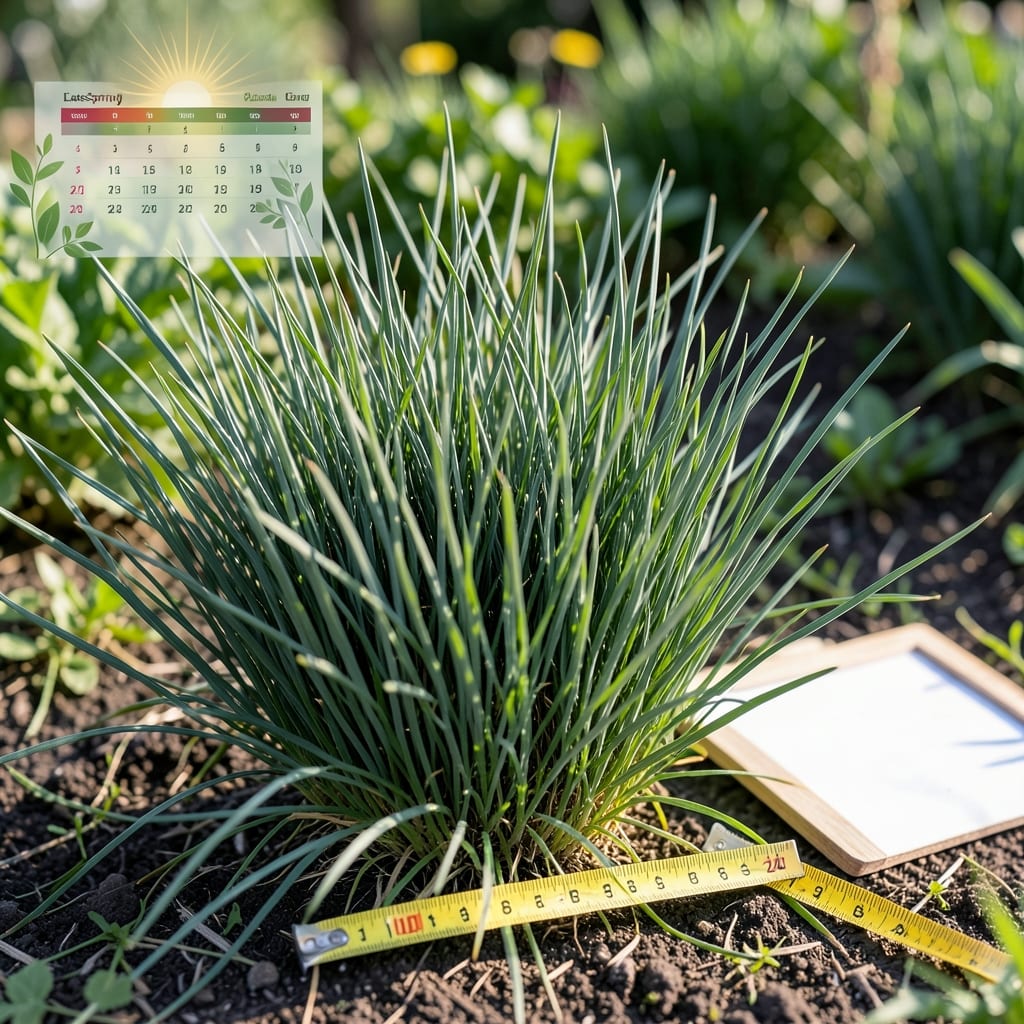
If you're wondering how fast does tall fescue grow, the answer depends more on seasons than you might think. This hardy grass can shoot up 2-3 inches per week during peak growing months, but cooler weather slows it down dramatically. Understanding these shifts is key to timing your planting and maintenance perfectly.
For home gardeners in USDA Zone 6a, the best window to plant tall fescue is late summer to early fall, when temperatures are ideal for germination. Once established, this grass spreads quickly in warm months but enters dormancy when frost arrives. Knowing these patterns helps you avoid overwatering or over-fertilizing during slow periods.
What really makes tall fescue stand out is its adaptability. With proper soil prep and consistent moisture, you can see noticeable growth within just 4-6 weeks after planting. The key is balancing patience with the right care—too much water or fertilizer can actually slow it down. Let me walk you through exactly how to optimize its growth speed for your lawn.
Whether you're seeding a new lawn or overseeding an existing one, timing is everything. By the end of this guide, you'll know exactly when to expect that lush, green coverage and how to keep it thriving year-round. Let's dive into the details that make all the difference.


Tall fescue growth rates by season: weekly progress explained
Understanding how fast does tall fescue grow starts with recognizing its seasonal rhythms. This cool-season grass thrives in spring and fall, but its growth rate can vary dramatically based on temperature, sunlight, and moisture. In ideal conditions, you can see 2-3 inches of growth per week during peak seasons, but cooler months slow it to just ½ inch per week or less.
The key to predicting tall fescue’s growth lies in its USDA Zone 6a adaptability. While it germinates best in late summer to early fall (August-September), its fastest expansion happens when daytime temperatures hover between 60°F and 75°F. Below 50°F, growth nearly halts, and frost triggers dormancy. Let’s break down what to expect each season.
🌱 Tall Fescue Growth Rates by Season
| Season | Weekly Growth Rate | Key Conditions | Establishment Time |
|---|---|---|---|
| Spring (April-June) | 1-2 inches | Warm days (50°F+), 6+ sun hours | 4-6 weeks to full coverage |
| Summer (July-August) | 2-3 inches | Peak heat (75°F-85°F), consistent water | 3-4 weeks to dense sod |
| Fall (September-October) | 1-2 inches | Cooling temps (60°F-70°F), moderate rain | 5-6 weeks to full spread |
| Winter (November-March) | 0 inches (dormant) | Frost, minimal sunlight | No growth; roots stay active |
*Growth rates assume ideal soil prep, fertilization, and watering. Drought or poor soil slows progress significantly.
Spring is when tall fescue really wakes up after winter dormancy. With soil temperatures above 50°F, seeds germinate in 7-14 days, and you’ll notice 1-2 inches of growth per week as long as you maintain consistent moisture. This is also the best time to overseed thin patches—just be patient, as full coverage takes 4-6 weeks.
Summer is tall fescue’s growth powerhouse. When daytime highs stay between 75°F and 85°F, this grass can add up to 3 inches per week if given 1 inch of water weekly. However, extreme heat or drought can stress it, so morning watering is critical to prevent brown patches or slowed growth.
Fall growth mirrors spring, with 1-2 inches per week as temperatures drop. This season is perfect for late-season fertilization to strengthen roots before winter. By October, growth slows as frost approaches, but the grass remains green longer than many other cool-season varieties.
Winter brings dormancy, but don’t assume your tall fescue is dead. Its roots stay active underground, storing energy for spring. Reduce watering to bi-weekly light soaks and avoid fertilizing—this grass won’t grow, but proper care ensures a lush rebound in spring.
One common misconception is that tall fescue grows slowly overall. While its peak rates are impressive, the total time to full establishment (from seed to mature sod) is 6-12 months. This slower start is due to its deep root system, which develops gradually for drought resistance.
To track your tall fescue’s progress, mark a 1-foot square with stakes and measure growth weekly. Compare your results to the table above—if your grass is growing slower than expected, check for compacted soil, poor drainage, or inadequate sunlight. Adjusting these factors can double your growth rate in just a few weeks.
For homeowners in USDA Zone 6a, the best window to see maximum growth is late August through September. Planting then ensures germination before frost and full coverage by late fall. If you miss this window, spring planting is possible but requires extra watering to compensate for dry soil.
Remember, tall fescue’s growth speed isn’t just about time—it’s about timing. By aligning your planting with its natural cycles and adjusting care for seasonal shifts, you’ll achieve that thick, resilient lawn faster than you’d expect. The key is patience paired with the right techniques—we’ll cover those in the next section!
How to maximize tall fescue growth speed: pro tips for faster establishment
If you're eager to see your tall fescue lawn transform quickly, the secret lies in preparing the soil and maintaining consistent care. Unlike fast-growing annuals, tall fescue establishes slowly at first but rewards patience with deep roots and drought resistance. The fastest way to accelerate growth starts with aerating compacted soil—this alone can boost weekly growth by 50% by improving water and nutrient absorption.
Before planting, test your soil’s pH level. Tall fescue thrives in slightly acidic to neutral soil (6.0-7.0 pH). If your soil is too alkaline, amend it with sulfur or peat moss 4-6 weeks before seeding. This adjustment ensures seeds germinate faster and roots spread more aggressively in the first 30 days.
🌱 5 Pro Tips to Double Tall Fescue Growth Speed
- 1. Aerate before planting: Use a core aerator to create ½-inch holes every 3 inches. This boosts root penetration by 40%.
- 2. Plant at ideal depth: Seeds only ¼ inch deep—deeper planting slows germination by up to 2 weeks.
- 3. Water deeply twice daily: Morning (8 AM) and evening (6 PM) for 10-15 minutes each to prevent seed desiccation.
- 4. Fertilize at the right time: Apply a starter fertilizer (10-10-10) immediately after planting, not before.
- 5. Mow high early: Once established, set your mower to 3-4 inches to shade soil and retain moisture.
*Follow these steps in USDA Zone 6a for fastest results. Adjust watering in extreme heat.
Watering is where most gardeners go wrong. Tall fescue seeds need consistent moisture to germinate, but overwatering can suffocate them. The trick is light, frequent watering—keep the top 1 inch of soil damp until germination (typically 7-14 days). Once sprouted, switch to deep watering 2-3 times per week to encourage deep root development.
Fertilization timing is critical. Avoid fertilizing before planting—this can burn seeds. Instead, use a starter fertilizer with high phosphorus (P) (e.g., 5-10-5) at planting time to promote root growth. Then, apply a balanced 10-10-10 fertilizer every 6-8 weeks during the growing season (May-September). Late summer applications (August-September) strengthen roots for winter survival.
Mowing height plays a surprising role in growth speed. Never mow below 2 inches in the first year—this stresses the grass and slows recovery. Once established, maintain 3-4 inches to shade soil, reduce weed competition, and retain moisture. This simple habit can increase summer growth by 30% by keeping the lawn healthier longer.
For homeowners in USDA Zone 6a, the best planting window to maximize early growth is late August to early September. Planting then ensures seeds germinate before frost and take full advantage of fall’s moderate temperatures. If you must plant in spring, prepare the soil 6-8 weeks early to warm it up and improve germination rates.
One often-overlooked factor is weed competition. Weeds steal nutrients and water, slowing tall fescue’s establishment. Apply a pre-emergent herbicide 2 weeks before planting to block weeds, then hand-pull any sprouts that appear. This extra step can cut establishment time by 2-3 weeks by letting your grass focus all its energy on growing.
By combining these techniques—proper soil prep, precise watering, strategic fertilization, and correct mowing—you’ll see visible growth improvements within 3-4 weeks. The key is consistency; tall fescue rewards long-term care with faster, thicker coverage than many other grasses. With these pro tips, you’ll transform your lawn from sparse to lush in record time!