
How To
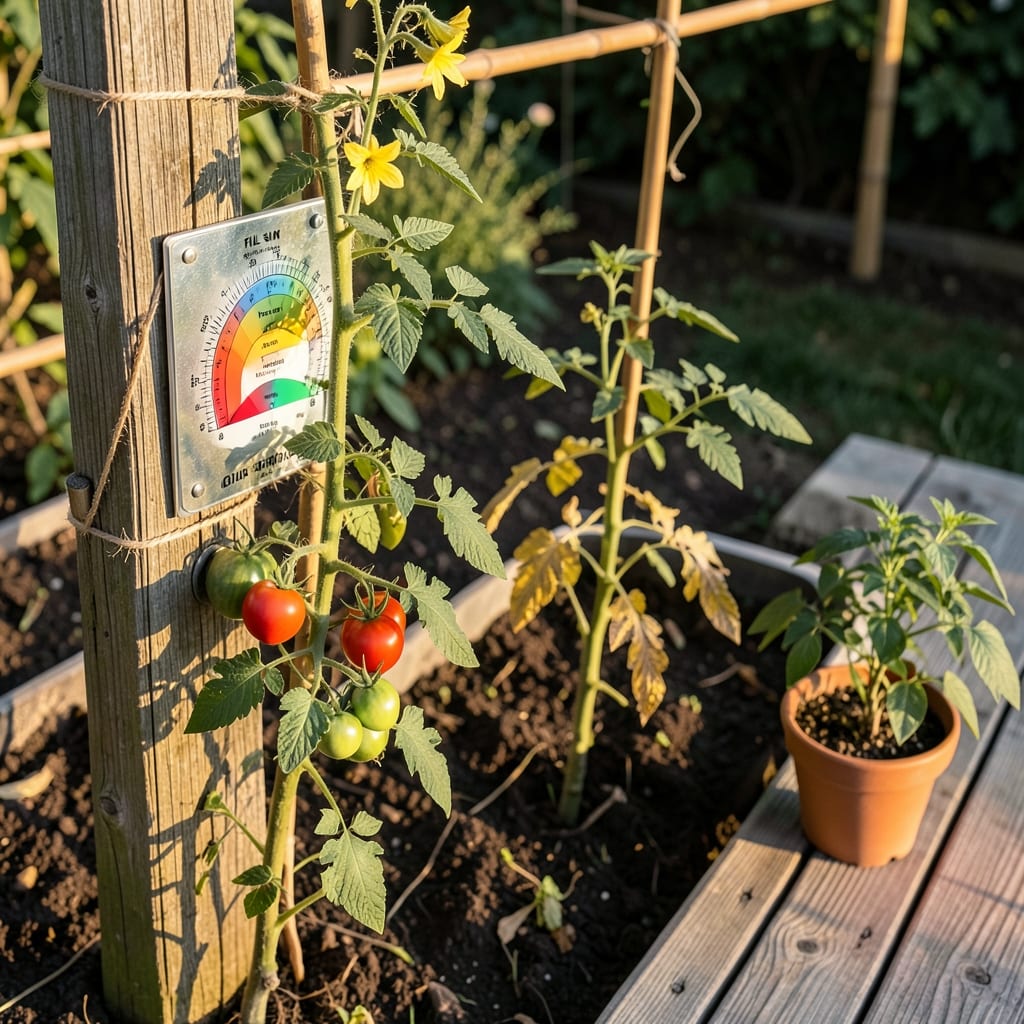
If your 🍅 tomato plants are struggling to produce fruit—or worse, just look sad—you might be missing the one thing they crave most: how much light does a tomato plant need? Tomato plants are sun-worshippers, but getting the balance right can mean the difference between a bountiful harvest and a disappointing season.
Most gardeners know tomatoes need plenty of light, but how much is too much or too little? The answer isn’t just about hours—it’s also about intensity, timing, and even the type of light your plants receive. Whether you’re growing in a backyard garden or coaxing tomatoes indoors, understanding these nuances can save your harvest before it even starts.
In this guide, I’ll break down exactly how many hours of sunlight your tomato plants need, what to watch for when they’re not getting enough, and how to supplement light if your garden falls short. No more guesswork—just actionable tips to keep your plants thriving from seedling to harvest.
Ready to turn those leggy, fruitless stems into a towering, juicy tomato plant? Let’s dive into the sunlight rules that will change your garden game.

Optimal sunlight requirements for tomato plants: hours and intensity explained
Tomato plants thrive under full sun exposure, but the exact amount varies based on your growing conditions. For outdoor gardens, aim for 6-8 hours of direct sunlight daily. This range ensures strong stems, abundant foliage, and maximum fruit production. Varieties like Beefsteak or Roma tomatoes demand the upper end of this spectrum, while smaller cherry tomatoes can tolerate slightly less.
Indoor growers face a bigger challenge because natural light is often insufficient. If you’re cultivating tomatoes inside, supplement with grow lights to mimic 12-16 hours of daylight. LED or fluorescent lights placed 6-12 inches above the plants work best. Remember, intensity matters—even 8 hours of weak sunlight won’t cut it for heavy fruit set.
Now, let’s break down the specifics in this sunlight summary table to help you tailor your approach:
| Condition | Specification | Notes |
|---|---|---|
| Daily Sunlight Hours | 6-8 hours (outdoor) | Indoor: 12-16 hours with grow lights |
| Light Intensity | Full sun (90%+ sunlight) | Weak light = leggy plants, poor fruit |
| Best Window Placement | South-facing | East or west windows work for 4-6 hours |
| Seasonal Adjustments | Summer: 10+ hours | Winter: Supplement with lights |
| Grow Light Distance | 6-12 inches above plants | Adjust based on leaf burn risk |
Seasonal changes can drastically affect sunlight availability. In summer months, tomatoes often get more than enough sun, but early spring or late fall may require adjustments. If your garden is in a high-latitude area, consider using reflective mulches or white walls to bounce extra light onto your plants. For container growers, rotate pots weekly to ensure even light exposure on all sides.
One common misconception is that more sunlight is always better. While tomatoes love light, afternoon shade in hot climates (like the American Southwest) can prevent leaf scorch and improve fruit quality. If temperatures exceed 90°F (32°C), provide 2-4 hours of afternoon shade using shade cloth or a temporary structure.
For those growing tomatoes in greenhouses or high-rises, monitor light levels with a light meter or observe plant behavior. Leggy stems or pale leaves signal insufficient light, while crispy edges or sunburnt spots mean too much intensity. Balancing these factors ensures your tomatoes grow strong, productive, and disease-resistant.
Pro tip: If you’re unsure about your garden’s sunlight, use a sun calculator app to track exposure. Many free tools let you input your location and get a heat map of sunlight patterns throughout the day. This data can help you position your tomato plants for optimal growth.
Finally, remember that light quality matters. Tomatoes need full-spectrum light, which includes blue and red wavelengths for photosynthesis. If using grow lights, choose full-spectrum LEDs to mimic natural sunlight as closely as possible. This small investment can make a huge difference in your harvest.
Optimal sunlight requirements for tomato plants: hours and intensity explained
Tomato plants thrive under 6-8+ hours of direct sunlight daily, but the intensity matters just as much as the duration. Without enough light, your plants will stretch toward the sun (a condition called etiolation), producing weak stems and poor fruit set. On the flip side, scorching afternoon sun can cause sunscald, leaving ugly white patches on your tomatoes.
For outdoor gardens, aim for a south-facing location in the Northern Hemisphere. This gives your plants the most consistent sunlight exposure. If you're growing in containers, place them where they get uninterrupted sunlight for at least 6 hours. Morning sun is gentler, while afternoon sun is more intense—balance both for best results.
| Factor | Outdoor Needs | Indoor Needs |
|---|---|---|
| Daily Sunlight | 6-8+ hours | 12-16 hours (grow lights) |
| Intensity | Full sun (90%+ sunlight) | Bright LED (5000-6500K) |
| Best Window | South-facing | South or west-facing |
| Seasonal Adjustment | More shade in summer heat | 14-16 hours in winter |
Indoor tomato growing requires supplemental grow lights to mimic natural sunlight. Use LED grow lights with a color temperature of 5000-6500K and position them 6-12 inches above plants. Keep lights on for 14-16 hours daily during winter months when natural light is scarce. Rotate plants weekly to prevent uneven growth toward the light source.
If your garden gets less than 6 hours of direct sun, consider partial shade varieties like 'Stupice' or 'Sungold' cherry tomatoes. These can tolerate 4-6 hours of sun while still producing fruit, though yields may be smaller. For container gardens, use reflective mulch (like white gravel) to bounce extra light onto plant leaves.
Monitor your plants for signs of light stress, such as pale leaves or flowers that drop without setting fruit. Adjust light exposure gradually—sudden changes can shock plants. In hot climates, provide afternoon shade cloth (30-50% shade) to prevent sunscald while still allowing plenty of morning sun.
Remember, tomatoes are photoperiod-neutral, meaning they don't need specific day lengths to flower. Instead, focus on consistent light intensity throughout their growth cycle. With the right sunlight balance, your tomato plants will reward you with vibrant foliage and heavy fruit production all season long.